

Stories by @shakespeare
37 stories
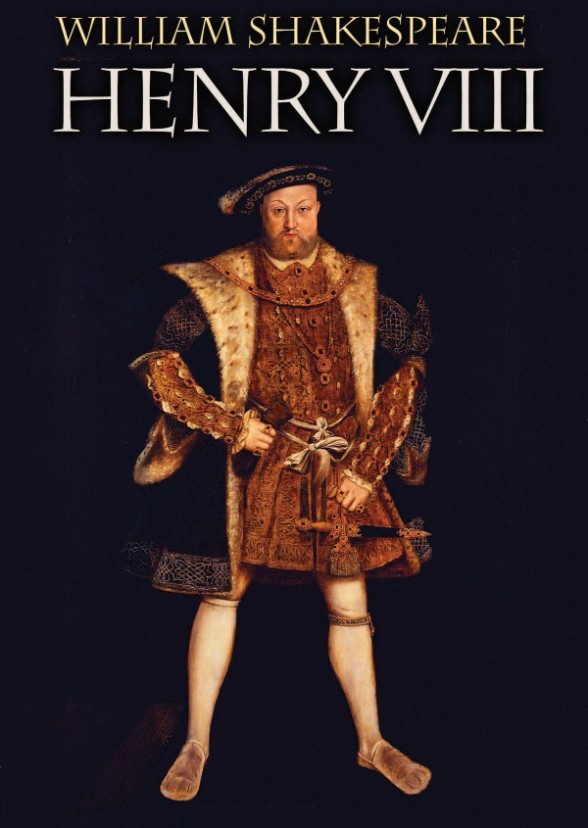
King Henry VIII
Two stories dominate Henry VIII: the fall of Cardinal Wolsey, Henry’s powerful advisor, and Henry’s quest to divorce Queen Katherine, who has not borne him a male heir, and marry Anne Bullen (Boleyn). First, the Duke of Buckingham questions Wolsey’s costly staging of a failed meeting with the French king. Wolsey arrests Buckingham and accuses him of treason; testimony from a bribed witness leads to Buckingham’s execution. Queen Katherine takes a stand against Wolsey. Wolsey gives a party at which Henry meets Anne. Henry falls in love with Anne and seeks to divorce Katherine, but Katherine refuses to be judged by Wolsey and other church officials. The king secretly marries Anne and then has her crowned queen. Meanwhile, Henry discovers Wolsey’s treachery against him. Wolsey, arrested, falls sick and dies. Katherine also sickens and dies. Cranmer, the new archbishop of Canterbury, comes under attack, but receives the king’s support. Anne gives birth to a daughter, the future Queen Elizabeth. Cranmer prophesies marvelous reigns for her and her unnamed successor, James.

The Tempest
The Tempest begins on a ship caught in a violent storm with Alonso, the king of Naples, on board. On a nearby island, the exiled Duke of Milan, Prospero, tells his daughter, Miranda, that he has caused the storm with his magical powers. Prospero and Miranda are served by a spirit named Ariel and by Caliban, son of the island’s previous inhabitant, the witch Sycorax. On the island, castaways from the wreck begin to appear. First is Alonso’s son Ferdinand, who immediately falls in love with Miranda. Prospero secretly approves of their love, but tests the pair by enslaving Ferdinand. After secretly watching Miranda and Ferdinand exchange vows, Prospero releases Ferdinand and consents to their marriage. Other castaways who appear are Trinculo and Stephano, Alonso’s jester and butler, who join forces with Caliban to kill Prospero and take over the island. The nobles from the ship search for Ferdinand and are confronted with a spectacle including a Harpy, who convinces Alonso that Ferdinand’s death is retribution for Prospero’s exile. Having all his enemies under his control, Prospero decides to forgive them. Alonso, joyously reunited with his son, restores Prospero to the dukedom of Milan and welcomes Miranda as Ferdinand’s wife. As all except Caliban and Ariel prepare to leave the island, Prospero, who has given up his magic, bids farewell to the island and the audience.

The Winter's Tale
The “tale” of The Winter’s Tale unfolds in scenes set sixteen years apart. In the first part of the play, Leontes, king of Sicilia, plays host to his friend Polixenes, king of Bohemia. Suddenly, Leontes becomes unreasonably jealous of Polixenes and Leontes’s pregnant wife, Hermione. Leontes calls for Polixenes to be killed, but he escapes. Hermione, under arrest, gives birth to a daughter; Leontes orders the baby to be taken overseas and abandoned. The death of the couple’s young son, Mamillius, brings Leontes to his senses, too late. Word arrives that Hermione, too, has died. In Bohemia, a shepherd finds and adopts the baby girl, Perdita. Sixteen years later, the story resumes. Polixenes’s son, Florizell, loves Perdita. When Polixenes forbids the unequal match, the couple flees to Sicilia, where the tale reaches its conclusion. Perdita’s identity as a princess is revealed, allowing her and Florizell to marry; Leontes and Polixenes reconcile; and Hermione returns in the form of a statue, steps down from its pedestal, and reunites with her family.
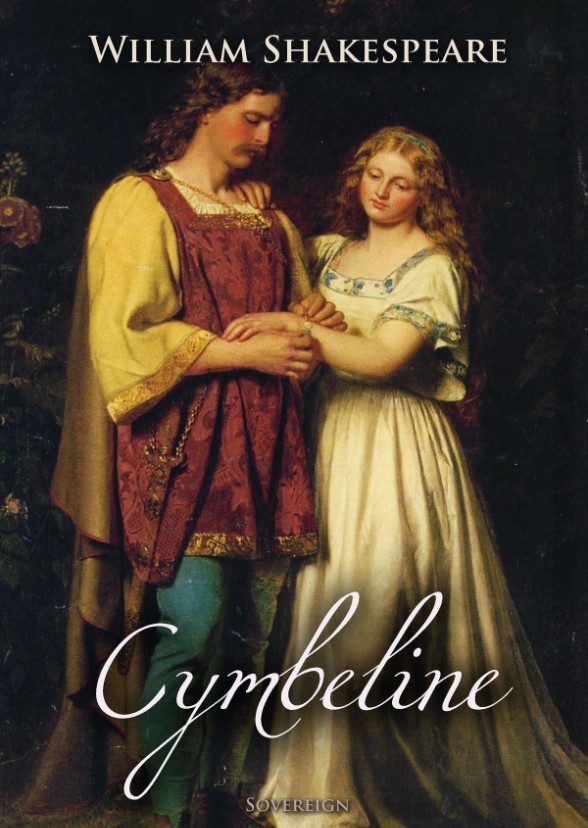
Cymbeline
Cymbeline, which takes place in ancient Britain, is filled with hidden identities, extraordinary schemes, and violent acts. Long ago, the two sons of King Cymbeline were abducted, leaving Cymbeline with a daughter, Imogen. Cymbeline’s stepson, Cloten, is now his heir, and Cymbeline expects Imogen to marry him. She secretly marries Posthumus Leonatus instead. Banished from court, Posthumus makes a foolish bet on Imogen’s chastity, which leads to false evidence that she has betrayed him. He plots to have her killed, and starts by sending her on a journey. Meanwhile, still angry about Imogen’s marriage, Cloten plans to find and rape her. Imogen—now disguised as a boy, “Fidele”—unwittingly encounters her brothers, who have grown up in a mountain cave unaware of their princely origins. The brothers kill Cloten, but Imogen, horrified, believes they have slain Posthumus. Cymbeline, meanwhile, refuses to pay a tribute to the Romans, who invade Britain. After the Romans are repelled in battle, Cymbeline agrees to the tribute, his sons are restored, and Imogen and Posthumus are reconciled.
Pericles
The nautical tale of a wandering prince, Pericles is narrated by John Gower, a poet from the English past. Gower explains that Pericles, Prince of Tyre, hopes to win the hand of a princess in Antioch. When Pericles learns that she and the king, her father, are lovers, he flees for his life. Pericles brings grain to Tarsus during a famine, but loses his ships and men in a storm. In Pentapolis, Pericles wins a tournament and marries the king’s daughter, Thaisa. With Thaisa pregnant, she and Pericles sail for Tyre. Thaisa bears a daughter, Marina, at sea, but apparently dies. Her coffin drifts ashore at Ephesus, where she is revived and becomes a priestess of Diana. Pericles leaves the baby Marina with the king and queen of Tarsus. Fourteen years later, Marina, kidnapped by pirates, is sold to a brothel, but her eloquence protects her. Told that she has died, a grief-stricken Pericles rediscovers her. Guided by a vision from the goddess Diana, Pericles and Marina reunite with Thaisa.

Timon of Athens
In Timon of Athens, Lord Timon discovers the limits of wealth and friendship. He spends freely on others and hosts banquets for many guests. Despite his servants’ warnings, he spends so excessively that his money runs out—and the philosopher Apemantus condemns his flatterers as insincere. Soon Timon’s creditors begin to call in their loans. Timon expects help from his friends, but they all refuse him money. Furious, he invites them again to a banquet, but serves only water and stones before he dismisses them, cursing Athens. He exiles himself to a wilderness. There the embittered Timon finds gold. He gives some to enemies of Athens and to prostitutes and bandits. When senators beg him to return to Athens as a military leader to save the city from his banished friend Alcibiades, he refuses and retreats to a cave to die. Alcibiades defeats Athens but promises to protect the city and its citizens. Learning of the despairing inscription on Timon’s tombstone, he repeats his offer of bringing peace to the city.

Coriolanus
As Coriolanus begins, two Roman patricians, Menenius and Martius, calm a revolt by the city’s famished plebians. Martius, who despises the plebians, announces that their petition to be represented by tribunes has been granted. When Volscian invaders attack Roman territories, Martius helps lead the Roman forces, and almost single-handedly conquers the Volscian city of Corioles, winning the name “Coriolanus.” The Volscian leader, Aufidius, swears revenge. Victorious in battle, Coriolanus expects to be made a consul, but by custom he must ask for votes from the plebians. He does this so contemptuously that he is rejected as a consul. The tribunes later charge Coriolanus with treason and banish him from Rome. He seeks his former enemy, Aufidius. Coriolanus and Aufidius join forces to conquer Rome. On the brink of success, Coriolanus is persuaded by his mother, Volumnia, to spare the city, though he knows it may cost him his life. Aufidius and his fellow conspirators plot Coriolanus’s death. Coriolanus returns to Corioles, where he is assassinated. Rome honors Volumnia for saving the city.
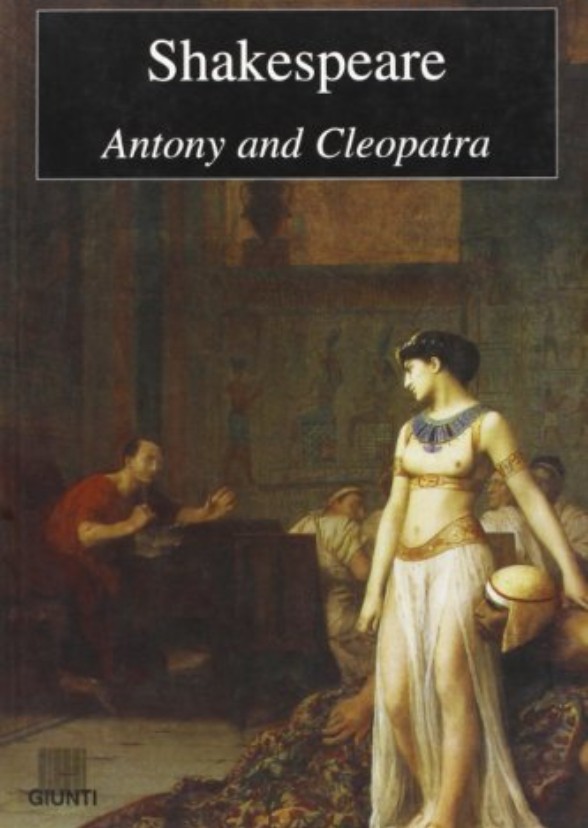
Antony and Cleopatra
Antony and Cleopatra tells the story of a romance between two powerful lovers: Cleopatra, the queen of Egypt, and Mark Antony, who rules the Roman Empire with Octavius Caesar and Lepidus. Although he is needed in Rome, Antony lingers in Egypt with Cleopatra. He finally returns to Rome when Pompey, another military leader, tries to gain control of the empire. Once in Rome, Antony marries Caesar’s sister Octavia. After Pompey is defeated, Caesar imprisons Lepidus and turns on Antony. Octavia attempts to reconcile them, but fails. Antony returns to Cleopatra. He challenges Caesar at sea, adding Cleopatra’s ships to his own. When she and her navy flee in mid-battle, Antony follows, abandoning his men. Antony fails in a second battle at sea. At first, he blames Cleopatra and plans to kill her. He responds to false news of her death, however, by attempting suicide; fatally wounded, he reunites with her as he dies. Faced with Caesar’s plans to humiliate her in Rome, Cleopatra kills herself with poisonous snakes.

King Lear
King Lear dramatizes the story of an aged king of ancient Britain, whose plan to divide his kingdom among his three daughters ends tragically. When he tests each by asking how much she loves him, the older daughters, Goneril and Regan, flatter him. The youngest, Cordelia, does not, and Lear disowns and banishes her. She marries the king of France. Goneril and Regan turn on Lear, leaving him to wander madly in a furious storm. Meanwhile, the Earl of Gloucester’s illegitimate son Edmund turns Gloucester against his legitimate son, Edgar. Gloucester, appalled at the daughters’ treatment of Lear, gets news that a French army is coming to help Lear. Edmund betrays Gloucester to Regan and her husband, Cornwall, who puts out Gloucester’s eyes and makes Edmund the Earl of Gloucester. Cordelia and the French army save Lear, but the army is defeated. Edmund imprisons Cordelia and Lear. Edgar then mortally wounds Edmund in a trial by combat. Dying, Edmund confesses that he has ordered the deaths of Cordelia and Lear. Before they can be rescued, Lear brings in Cordelia’s body and then he himself dies.
Macbeth
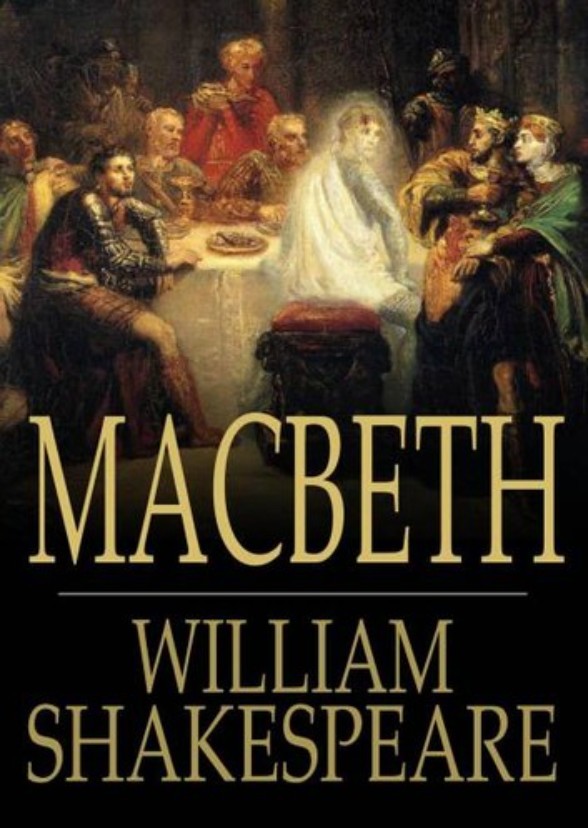
Macbeth, set primarily in Scotland, mixes witchcraft, prophecy, and murder. Three “Weïrd Sisters” appear to Macbeth and his comrade Banquo after a battle and prophesy that Macbeth will be king and that the descendants of Banquo will also reign. When Macbeth arrives at his castle, he and Lady Macbeth plot to assassinate King Duncan, soon to be their guest, so that Macbeth can become king. After Macbeth murders Duncan, the king’s two sons flee, and Macbeth is crowned. Fearing that Banquo’s descendants will, according to the Weïrd Sisters’ predictions, take over the kingdom, Macbeth has Banquo killed. At a royal banquet that evening, Macbeth sees Banquo’s ghost appear covered in blood. Macbeth determines to consult the Weïrd Sisters again. They comfort him with ambiguous promises. Another nobleman, Macduff, rides to England to join Duncan’s older son, Malcolm. Macbeth has Macduff’s wife and children murdered. Malcolm and Macduff lead an army against Macbeth, as Lady Macbeth goes mad and commits suicide. Macbeth confronts Malcolm’s army, trusting in the Weïrd Sisters’ comforting promises. He learns that the promises are tricks, but continues to fight. Macduff kills Macbeth and Malcolm becomes Scotland’s king.

Othello
In Venice, at the start of Othello, the soldier Iago announces his hatred for his commander, Othello, a Moor. Othello has promoted Cassio, not Iago, to be his lieutenant. Iago crudely informs Brabantio, Desdemona’s father, that Othello and Desdemona have eloped. Before the Venetian Senate, Brabantio accuses Othello of bewitching Desdemona. The Senators wish to send Othello to Cyprus, which is under threat from Turkey. They bring Desdemona before them. She tells of her love for Othello, and the marriage stands. The Senate agrees to let her join Othello in Cyprus. In Cyprus, Iago continues to plot against Othello and Cassio. He lures Cassio into a drunken fight, for which Cassio loses his new rank; Cassio, at Iago’s urging, then begs Desdemona to intervene. Iago uses this and other ploys—misinterpreted conversations, insinuations, and a lost handkerchief—to convince Othello that Desdemona and Cassio are lovers. Othello goes mad with jealousy and later smothers Desdemona on their marriage bed, only to learn of Iago’s treachery. He then kills himself.
Measure for Measure
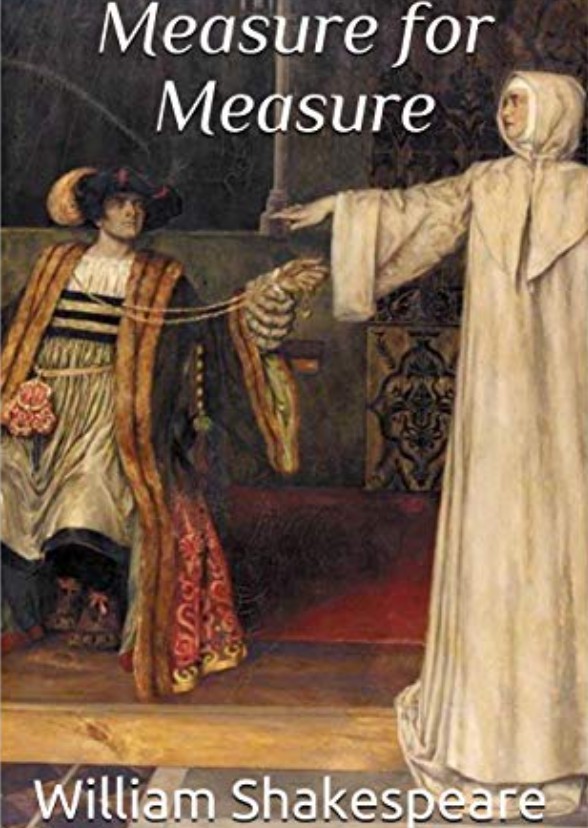
Human nature and the law often collide in Measure for Measure. As the play begins, the Duke of Vienna announces he is going away and puts his deputy Angelo in charge of the state. Angelo immediately enforces a law prohibiting sex outside of marriage, sentencing Claudio to death for sleeping with Juliet, Claudio’s now-pregnant fiancée. Claudio’s sister Isabella, a novice nun, appeals to Angelo to save her brother. But the supposedly pure Angelo demands that Isabella sleep with him to save Claudio. To Claudio’s dismay, Isabella refuses. The duke, who has remained in Vienna disguised as a friar, suggests that Angelo’s jilted fiancée, Mariana, could take Isabella’s place. Although the trick succeeds, Angelo orders Claudio beheaded anyway. The duke saves Claudio, but he tells Isabella that Claudio is dead. The duke, resuming his identity, sentences Angelo to wed Mariana and then be put to death. But Mariana and Isabella plead for Angelo’s life. Revealing that Claudio is alive, the duke pardons Angelo and proposes to Isabella.

All's Well That Ends Well
In All’s Well That Ends Well, a woman is given in marriage to the man she longs for, but, because she is of lower rank, he refuses to accept the marriage. It becomes her challenge to win his acceptance. Helen, the daughter of a dead physician, secretly loves Bertram, the Count of Rosillion’s son. When the count dies, Bertram becomes a ward of the French king, who is dying of a fistula. Helen heals the ailing king, and he grants her wish to marry his ward. Bertram refuses to consummate the marriage and goes off to war, sending Helen a list of seemingly impossible conditions to be met before he will consider her his wife. To meet his conditions, Helen substitutes herself for a woman whom Bertram desires, and sleeps with him. When false news comes that Helen is dead, Bertram faces the charge that he has killed her. Helen, now pregnant, reappears, saving Bertram and demonstrating that she has met his conditions. Bertram then acknowledges her.
Troilus and Cressida
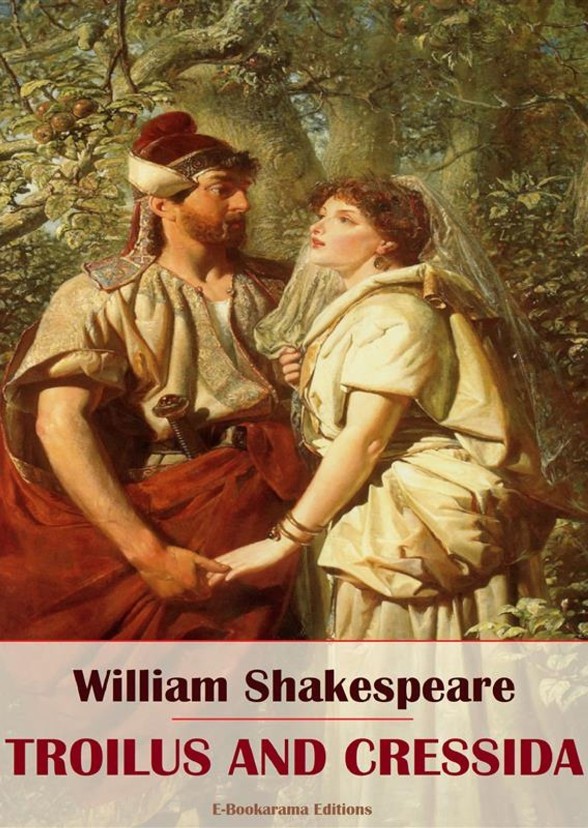
Set during the Trojan War, Troilus and Cressida recounts the love affair of its title characters. Inside the besieged city of Troy, the Trojan prince Troilus is lovesick for Cressida. Cressida is drawn to Troilus, too, and her uncle, Pandarus, brings them together. In the Greek camp outside, Cressida’s father, Calchas, asks that Cressida be brought to him in return for the help he has given the Greeks. The morning after the lovers’ night together, Cressida is exchanged for a Trojan prisoner and taken to the camp by the Greek warrior Diomedes. The great Trojan warrior Hector, Troilus’s brother, engages in single combat with the Greek Ajax, a fight that ends inconclusively. Hector and Troilus join the Greeks for a feast. Cressida, meanwhile, is seduced by Diomedes. Distraught at Cressida’s betrayal, Troilus fights Diomedes and others. Patroclus, favorite of the Greek warrior Achilles, dies in battle. Achilles fights with and loses to Hector, who is then, on Achilles’s orders, dishonorably slain. Grieving, Troilus and the other Trojans return to Troy.

Hamlet
Events before the start of Hamlet set the stage for tragedy. When the king of Denmark, Prince Hamlet’s father, suddenly dies, Hamlet’s mother, Gertrude, marries his uncle Claudius, who becomes the new king. A spirit who claims to be the ghost of Hamlet’s father describes his murder at the hands of Claudius and demands that Hamlet avenge the killing. When the councilor Polonius learns from his daughter, Ophelia, that Hamlet has visited her in an apparently distracted state, Polonius attributes the prince’s condition to lovesickness, and he sets a trap for Hamlet using Ophelia as bait. To confirm Claudius’s guilt, Hamlet arranges for a play that mimics the murder; Claudius’s reaction is that of a guilty man. Hamlet, now free to act, mistakenly kills Polonius, thinking he is Claudius. Claudius sends Hamlet away as part of a deadly plot. After Polonius’s death, Ophelia goes mad and later drowns. Hamlet, who has returned safely to confront the king, agrees to a fencing match with Ophelia’s brother, Laertes, who secretly poisons his own rapier. At the match, Claudius prepares poisoned wine for Hamlet, which Gertrude unknowingly drinks; as she dies, she accuses Claudius, whom Hamlet kills. Then first Laertes and then Hamlet die, both victims of Laertes’ rapier.

Twelfth Night
Twelfth Night—an allusion to the night of festivity preceding the Christian celebration of the Epiphany—combines love, confusion, mistaken identities, and joyful discovery. After the twins Sebastian and Viola survive a shipwreck, neither knows that the other is alive. Viola goes into service with Count Orsino of Illyria, disguised as a young man, “Cesario.” Orsino sends Cesario to woo the Lady Olivia on his behalf, but Olivia falls in love with Cesario. Viola, in the meantime, has fallen in love with Orsino. At the estate of Lady Olivia, Sir Toby Belch , Olivia’s kinsman, has brought in Sir Andrew Aguecheek to be her suitor. A confrontation between Olivia’s steward, Malvolio, and the partying Toby and his cohort leads to a revenge plot against Malvolio. Malvolio is tricked into making a fool of himself, and he is locked in a dungeon as a lunatic. In the meantime, Sebastian has been rescued by a sea captain, Antonio. When Viola, as Cesario, is challenged to a duel, Antonio mistakes her for Sebastian, comes to her aid, and is arrested. Olivia, meanwhile, mistakes Sebastian for Cesario and declares her love. When, finally, Sebastian and Viola appear together, the puzzles around the mistaken identities are solved: Cesario is revealed as Viola, Orsino asks for Viola’s hand, Sebastian will wed Olivia, and Viola will marry Count Orsino. Malvolio, blaming Olivia and others for his humiliation, vows revenge.

As You Like It
In As You Like It, witty words and romance play out against the disputes of divided pairs of brothers. Orlando’s older brother, Oliver, treats him badly and refuses him his small inheritance from their father’s estate; Oliver schemes instead to have Orlando die in a wrestling match. Meanwhile, Duke Frederick has forced his older brother, Duke Senior, into exile in the Forest of Arden. Duke Senior’s daughter, Rosalind, and Duke Frederick’s daughter, Celia, meet the victorious Orlando at the wrestling match; Orlando and Rosalind fall in love. Banished by her uncle, Rosalind assumes a male identity and leaves with Celia and their fool, Touchstone. Orlando flees Oliver’s murderous plots. In the Forest of Arden, Rosalind, in her male disguise, forms a teasing friendship with Orlando. Oliver, searching for Orlando, reforms after Orlando saves his life. Rosalind reveals her identity, triggering several weddings, including her own with Orlando and Celia’s with Oliver. Duke Frederick restores the dukedom to Duke Senior, who leaves the forest with his followers.

Julius Caesar
Caesar’s assassination is just the halfway point of Julius Caesar. The first part of the play leads to his death; the second portrays the consequences. As the action begins, Rome prepares for Caesar’s triumphal entrance. Brutus, Caesar’s friend and ally, fears that Caesar will become king, destroying the republic. Cassius and others convince Brutus to join a conspiracy to kill Caesar. On the day of the assassination, Caesar plans to stay home at the urging of his wife, Calphurnia. A conspirator, Decius Brutus, persuades him to go to the Senate with the other conspirators and his friend, Mark Antony. At the Senate, the conspirators stab Caesar to death. Antony uses a funeral oration to turn the citizens of Rome against them. Brutus and Cassius escape as Antony joins forces with Octavius Caesar. Encamped with their armies, Brutus and Cassius quarrel, then agree to march on Antony and Octavius. In the battle which follows, Cassius, misled by erroneous reports of loss, persuades a slave to kill him; Brutus’s army is defeated. Brutus commits suicide, praised by Antony as “the noblest Roman of them all.”
The Merry Wives of Windsor
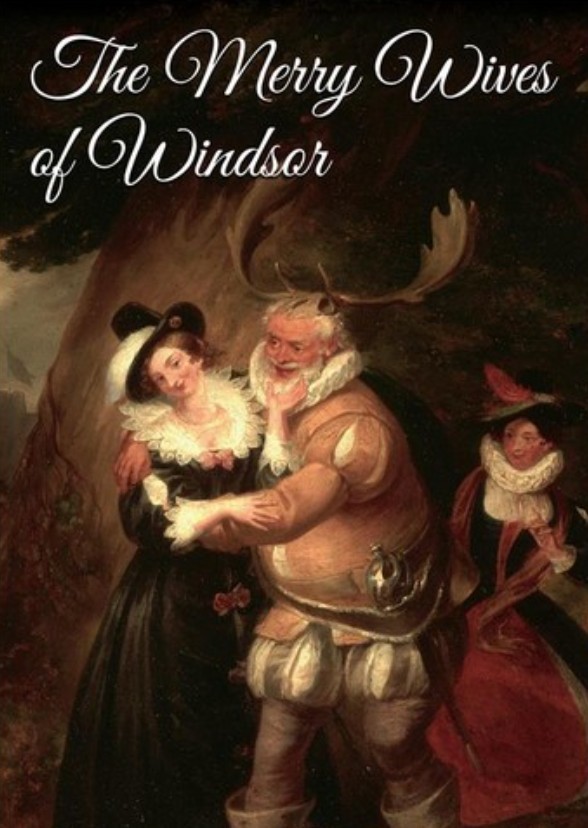
In The Merry Wives of Windsor, fat, disreputable Sir John Falstaff pursues two housewives, Mistress Ford and Mistress Page, who outwit and humiliate him instead. Meanwhile, three suitors seek the hand of Anne Page, Mistress Page’s daughter. Falstaff hopes to seduce the wives so he can gain access to their husbands’ wealth. Ford learns of Falstaff’s approaches and is consumed by jealousy. In disguise, he befriends Falstaff to learn about Mistress Ford’s behavior. The wives, however, trick Falstaff and Ford. As Falstaff visits Mistress Ford, Mistress Page announces that Ford is coming. Falstaff hides in a basket of dirty laundry and is thrown in the river. Another visit ends similarly: Falstaff disguises himself as “the fat woman of Brentford,” whom Ford hates. Ford beats “her” in anger. Finally, Falstaff is lured to a comical nighttime rendezvous where all of Windsor comes together, Falstaff is publicly humiliated, and Ford admits his folly. Two of Anne Page’s suitors elope with boys in disguise while Anne marries her chosen suitor, Fenton.

Much Ado About Nothing
The primary plot of Much Ado About Nothing turns on the courtship and scandal involving young Hero and her suitor, Claudio, but the witty war of words between Claudio’s friend Benedick and Hero’s cousin Beatrice often takes center stage. Set in Messina, the play begins as Don Pedro’s army returns after a victory. Benedick, a gentleman soldier, resumes a verbal duel with Beatrice, the niece of Messina’s governor, Leonato. Count Claudio is smitten by Leonato’s daughter, Hero. After Don Pedro woos her in disguise for Claudio, the two young lovers plan to marry in a week. To fill in the time until the wedding, Don Pedro and the others set about tricking Benedick and Beatrice into falling in love with each other. Meanwhile, Don Pedro’s disgruntled brother, Don John, plots to ruin Hero and halt her wedding. Claudio believes Don John’s deception, is convinced Hero has a lover, and, at the wedding, brutally rejects her. With Hero in hiding and falsely reported dead, Beatrice persuades Benedick to fight Claudio. Tragedy is averted when the bumbling city watch, having discovered Don John’s treachery, arrives and clears Hero’s name. With Claudio forgiven, both couples are ready to get married.