

Stories by @kamsismith
1,477 stories

The Solitary Path: The Life of Doppo Kunikida
Step into the turbulent world of Meiji Japan, a nation caught between tradition and modernization, where one man’s words would help shape the future of Japanese literature. The Solitary Path chronicles the life of Doppo Kunikida, a pioneering romantic poet and novelist whose passion for beauty, nature, and truth redefined an era. From his idealistic youth as a romantic dreamer to his eventual transformation into a founder of Japanese naturalism, this biopic delves into the heart of Kunikida’s life: his struggles with societal expectations, unyielding pursuit of creative freedom, and the personal tragedies that shaped his poetic voice. Through stunning cinematography that captures the breathtaking landscapes of Japan and its rapid urbanization, The Solitary Path juxtaposes Kunikida's love for nature with the dissonance of a rapidly industrializing world. His tumultuous relationships, financial hardships, and his battle with tuberculosis become metaphors for a society grappling with its identity, mirroring the themes of his literary works.

Flava in Ya Ear: The Craig Mack Story
Set against the backdrop of the explosive 1990s hip-hop scene, Flava in Ya Ear tells the untold story of Craig Mack, the charismatic rapper whose breakout single "Flava in Ya Ear" became a cultural phenomenon and helped launch Bad Boy Records. This gripping miniseries takes viewers on an emotional journey, exploring Mack's meteoric rise, the challenges of fame, and the deeply personal struggles he faced navigating an industry that often values hits over humanity. The series delves into Mack’s early days in Long Island, where he hustled to make a name for himself, blending his unique voice and lyrical style with relentless determination. As he ascends to stardom, viewers witness his complex relationship with Sean “Diddy” Combs and the pressures of being overshadowed by labelmate The Notorious B.I.G. Despite being a pioneer in the resurgence of East Coast hip-hop, Mack’s career trajectory is marked by rapid success, industry politics, and personal sacrifices. The latter episodes explore his departure from the mainstream spotlight, his spiritual awakening, and his final years as a preacher, where he found peace away from the spotlight but still wrestled with the legacy he left behind. Through Mack's journey, the series paints a broader picture of the hip-hop industry's golden era, its highs and lows, and the personal toll it takes on the artists who define it.

The House of Barrymore
From the gilded stages of the 19th century to the glitz of Hollywood’s Golden Age and beyond, The House of Barrymore chronicles the extraordinary rise of the Barrymore dynasty. This multi-generational drama unveils the struggles and triumphs of Ethel, Lionel, and John Barrymore—three siblings who conquered Broadway and Hollywood, only to face personal demons that tested their resilience. As the series progresses, it shifts to explore how their legacy echoes through the 20th century, influencing a new generation, culminating in the career of Drew Barrymore. The show blends period drama with the universal themes of ambition, love, addiction, and the complexities of family, offering a rich tapestry of one of entertainment’s most enduring dynasties.

Ink and Shadows
Step into the luminous yet haunted world of Ryūnosuke Akutagawa, the visionary writer whose sharp prose and boundless imagination reshaped Japanese literature. "Ink and Shadows" is a deeply evocative biopic that explores the triumphs and torments of a man revered as the "father of the Japanese short story." Set against the backdrop of Japan's Taishō period—a fleeting era of modernity and tradition—the film chronicles Akutagawa’s meteoric rise as a literary icon, juxtaposed with his internal battles. From his formative years as an inquisitive student devouring Western and classical Japanese literature, to his emergence as a literary prodigy under the mentorship of Natsume Sōseki, Akutagawa’s life unfolds like one of his own short stories: vivid, fragmented, and painfully human. Through his masterworks like Rashōmon and Hell Screen, Akutagawa becomes a voice of a generation caught between two worlds—traditional Japan and the rapidly modernizing nation striving to define its identity. Yet, his outward success masks a consuming darkness. Plagued by a hereditary predisposition to mental illness and burdened by fears of societal collapse, Akutagawa’s life spirals into a labyrinth of paranoia and despair.

Echoes of Eddie: The Ballad of Eddie Fisher
In a time when crooners were kings, Eddie Fisher’s voice was a gift that captured the soul of a generation. This biopic miniseries dives deep into the man behind the music, offering a poignant exploration of the triumphs and tragedies that defined his life. Over the course of six episodes, Echoes of Eddie charts his journey from a poor Jewish kid with a dream to becoming one of the most celebrated and controversial entertainers of the 20th century. Through flashbacks and intimate character studies, we follow Eddie’s rapid rise to fame, his struggles with addiction, his complex relationships with iconic women like Debbie Reynolds and Elizabeth Taylor, and his battle to remain relevant in a rapidly changing industry. Each episode balances his glittering public persona with the shadows of his private life, showcasing the cost of living in the spotlight.
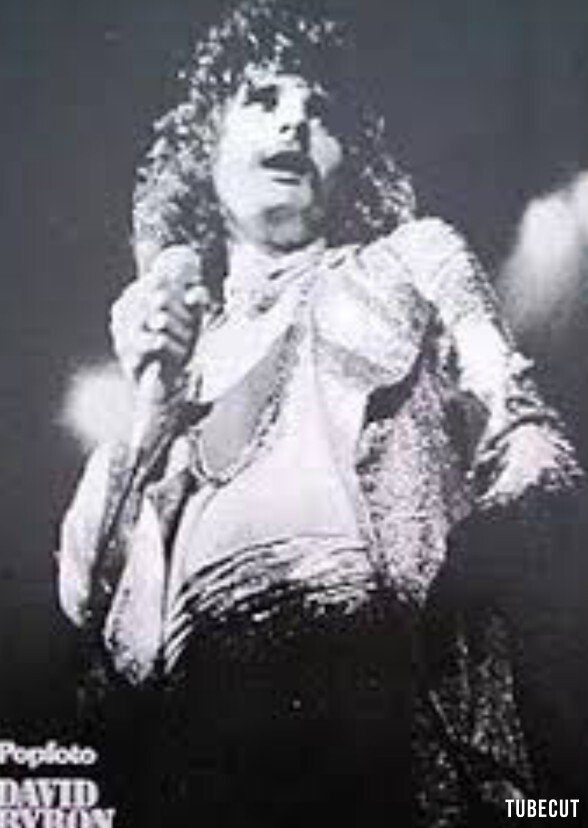
Echoes of the Byron Era
Echoes of the Byron Era is a riveting biopic chronicling the meteoric rise and tragic fall of David Byron, the enigmatic and charismatic frontman of Uriah Heep. With his operatic voice, magnetic stage presence, and unyielding ambition, Byron became the face of one of the most influential rock bands of the early 1970s, captivating audiences across the globe. The film delves into Byron's life behind the spotlight—his humble beginnings as David Garrick, the young British dreamer who longed to break free from convention. It explores his journey from session vocalist to rock royalty, portraying the passion, creativity, and challenges of navigating fame in an era defined by excess and artistic revolution. Audiences will be transported into the heart of the 1970s rock scene, with electrifying recreations of Uriah Heep's iconic performances, including hits like Easy Livin’ and Gypsy. The movie will also unveil the personal toll of Byron's fame, touching on his battles with alcoholism, the strain on his relationships, and the pressures of living up to his larger-than-life persona.
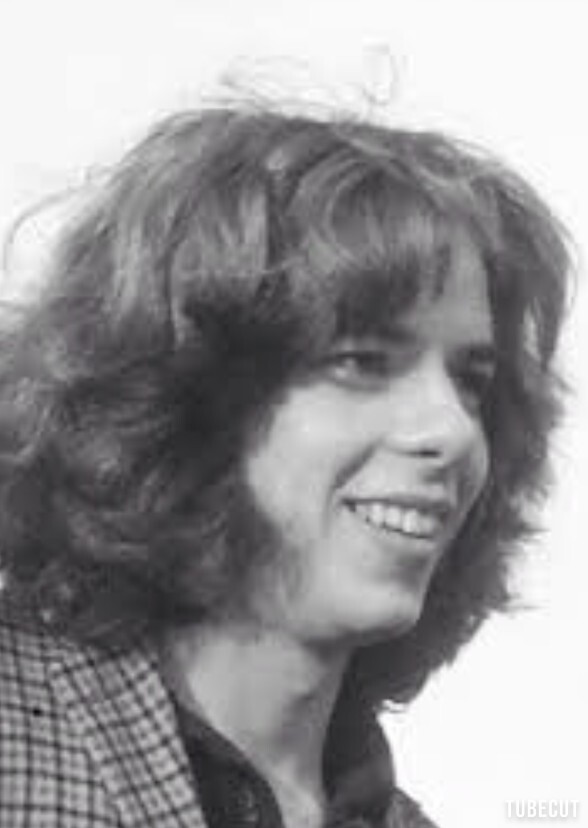
Écho: The André Paiement Story
"Écho" is a powerful and deeply moving biopic chronicling the vibrant life and untimely passing of André Paiement, the Franco-Ontarian playwright and musician who became a cultural beacon for his community. Set against the backdrop of 1970s Canada, Écho explores André's journey from his small-town roots in Northern Ontario to his rise as a trailblazing artist, founding Théâtre du Nouvel-Ontario and shaping the Franco-Ontarian music scene with the legendary band CANO (Coopérative des artistes du Nouvel-Ontario). The film captures the passion, struggles, and resilience of a young man determined to give voice to his people in a country where his language and culture were often marginalized. At the heart of the story is André’s relentless drive to celebrate and preserve the Franco-Ontarian identity through art. His groundbreaking plays and songs resonate with themes of belonging, resistance, and hope, all while weaving in the beauty and hardship of life in Northern Ontario. But his brilliance was accompanied by personal struggles, culminating in his tragic death at just 27.

Echoes of a Dream: The Helmut Köllen Story
Set against the backdrop of the vibrant 1970s progressive rock scene, Echoes of a Dream tells the captivating and poignant story of Helmut Köllen, the gifted musician whose life and career burned brightly but ended tragically too soon. Born in West Germany, Helmut rises from a modest background to become the bassist, guitarist, and soulful voice of the internationally acclaimed prog-rock band, Triumvirat. As the band navigates the complexities of the music industry—balancing commercial success with artistic integrity—Helmut emerges as a charismatic yet introspective figure, harboring dreams of a solo career where he can truly express his creative vision. The film delves into Helmut's relationships, including the close yet tumultuous dynamics with his bandmates and the pressures of fame that weigh heavily on him. It captures his passion for music and his struggle to balance personal ambition with the collective identity of the band. The narrative crescendos with the creation of his debut solo album, You Won't See Me, a labor of love that showcases his profound talent and desire to step out of the shadows.
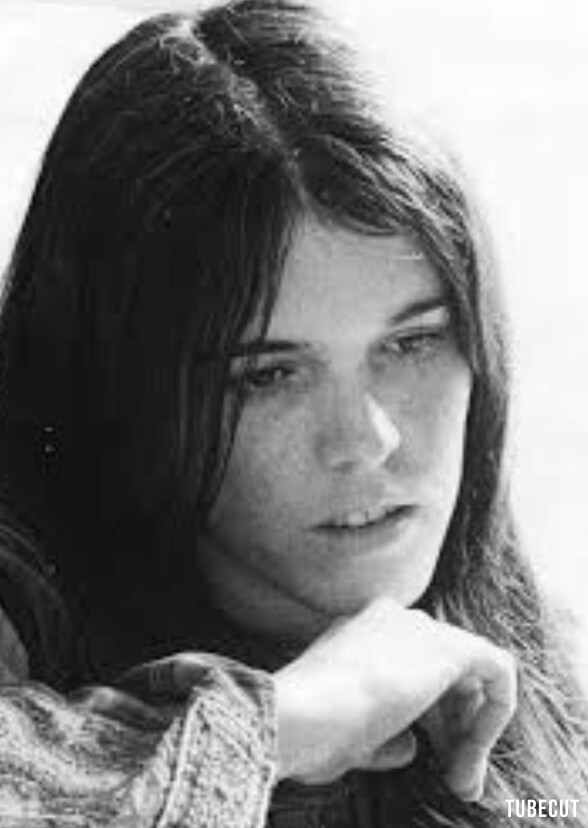
Cecilia: The Voice of a Generation
Set against the vibrant yet turbulent backdrop of 1970s Spain, Cecilia: The Voice of a Generation chronicles the short yet extraordinary life of Evangelina Sobredo Galanes, known to the world as Cecilia. A trailblazing singer-songwriter, Cecilia captured the soul of a nation through her poetic lyrics, bold spirit, and haunting melodies, even as she pushed the boundaries of censorship during the Franco regime. From her privileged childhood spent abroad to her rise as an iconic voice of Spanish folk music, the film delves into her journey of self-discovery, artistic evolution, and defiant pursuit of authenticity. Inspired by Simon & Garfunkel’s Cecilia, she adopts her stage name, transforming it into a beacon of hope and rebellion for a generation yearning for change. The narrative explores the creative genius behind songs like Un ramito de violetas and Mi querida España, juxtaposed against Cecilia's personal struggles with fame, love, and societal expectations. Her fierce independence and refusal to conform ultimately make her a feminist icon, paving the way for future artists in a repressive era.
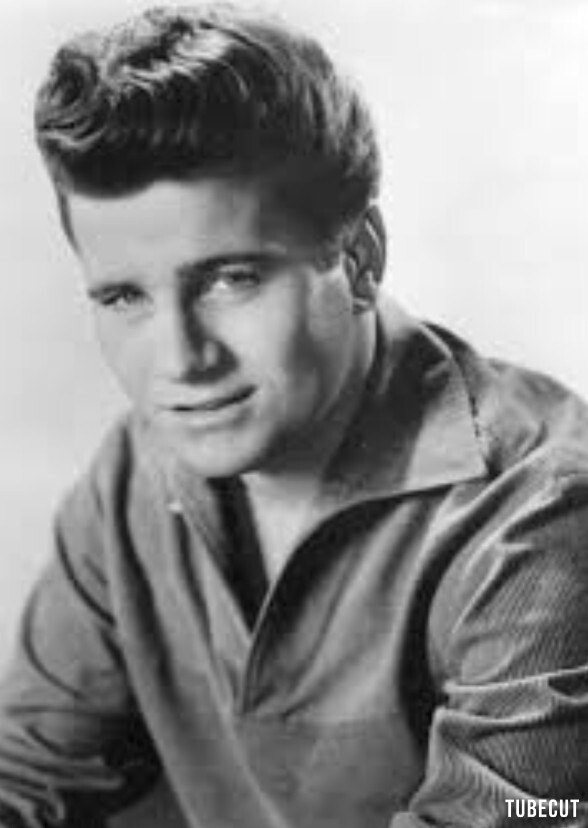
Rockabilly Rebel: The Johnny Burnette Story
Set in the golden age of rock 'n' roll, Rockabilly Rebel chronicles the meteoric rise, turbulent life, and untimely death of Johnny Burnette, a trailblazing force in American music. From his blue-collar beginnings in Memphis to the stages where he and the Rock and Roll Trio electrified audiences, this biopic captures the grit, heart, and sheer talent that made Burnette a legend. At its core, the film explores Johnny's unbreakable bond with his brother, Dorsey, and their shared dream of escaping the factories of Memphis for the bright lights of stardom. Through the trio's pioneering fusion of country twang and rhythm-and-blues swagger, we witness the birth of rockabilly—a sound that influenced generations to come. The story delves into the highs of his fame, from iconic hits like "Train Kept A-Rollin'" to his eventual solo success with pop ballads, and the lows of personal struggles and industry challenges. Torn between his love for music and his responsibilities as a father, Johnny's life becomes a whirlwind of ambition, heartbreak, and ultimately, tragedy.

Behind the Bass: The Gary Thain Story
In the vibrant but modest music scene of Christchurch, New Zealand, a young Gary Thain discovers his deep connection to the bass guitar. Fueled by raw talent and a restless ambition, Gary's journey takes him halfway across the world to England, where he becomes the heartbeat of Uriah Heep, one of the most iconic rock bands of the 1970s. The film explores Gary's creative genius, from crafting unforgettable basslines on legendary tracks like Stealin’ and Easy Livin’ to the electric energy he brought to every performance. At the same time, it delves into his struggles with the grueling demands of life on the road, personal insecurities, and the era's pervasive drug culture. Through a mix of euphoric highs—like headlining massive venues and earning the adoration of fans worldwide—and harrowing lows, including a near-fatal onstage electrocution and worsening health, Gary’s story is both a celebration of a musical prodigy and a poignant reminder of the human cost of rock stardom.

Falling Petals: The Life of Osamu Dazai
Set against the tumultuous backdrop of early 20th-century Japan, Falling Petals is a riveting biopic chronicling the life of Shūji Tsushima, better known to the world as Osamu Dazai, one of Japan’s most enigmatic and tortured literary geniuses. This film explores Dazai’s complex journey from the privileged scion of an aristocratic family to the celebrated author of No Longer Human and The Setting Sun, works that resonated with postwar despair and existential yearning. The story delves deep into Dazai’s troubled psyche, his unrelenting battle with addiction, depression, and self-destruction, and his complicated relationships—with women, his art, and himself. At the heart of the narrative is the question: How does a man so consumed by inner turmoil create works of profound beauty and humanity? From his rebellious university days and failed suicide attempts to his volatile romances and the devastating cultural aftermath of World War II, the film offers a raw, poetic, and unflinching portrait of a man teetering on the edge. Dazai’s legacy is brought to life through vivid reimaginings of his works, woven seamlessly into the narrative to reflect his inner struggles and creative brilliance.
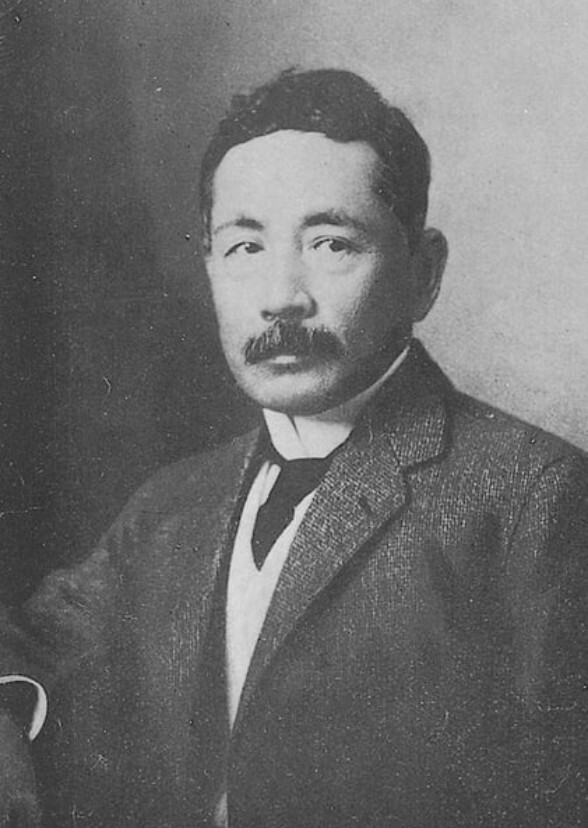
Echoes of the Cat
At the crossroads of tradition and modernity, Echoes of the Cat is a gripping five-part miniseries that chronicles the life of Natsume Sōseki, Japan’s most celebrated modern novelist, as he navigates personal trials, cultural upheaval, and the timeless struggle of self-expression in the rapidly Westernizing Meiji era.
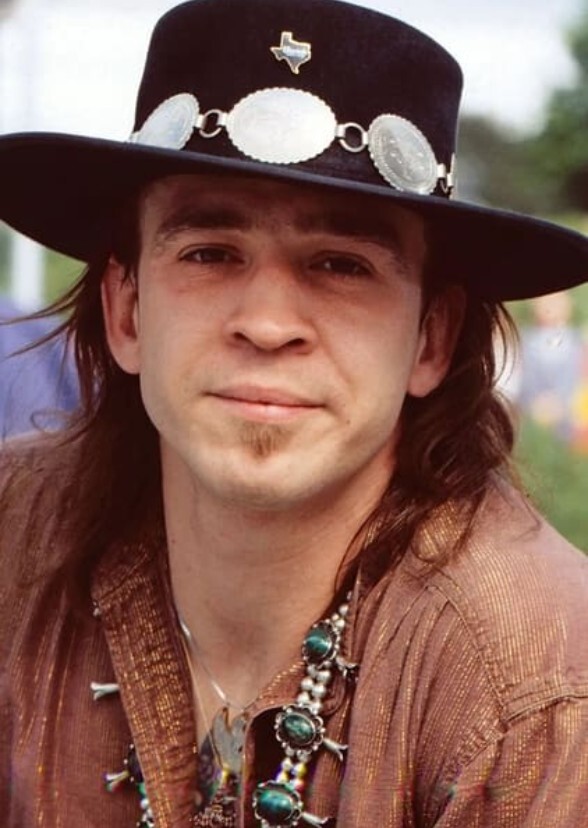
Texas Flood: The Stevie Ray Vaughan Story
Dive into the electrifying, soulful journey of Stevie Ray Vaughan, a man who transformed the blues and left an indelible mark on music history. Texas Flood chronicles the meteoric rise of a Texas-born virtuoso who redefined what it meant to play the guitar. From the smoky dive bars of Austin to the biggest stages in the world, Stevie's story is one of passion, resilience, and redemption. Raised in Dallas, Stevie grew up under the shadow of his brother, Jimmie Vaughan, a blues prodigy in his own right. While their sibling bond fueled Stevie’s passion for music, it also ignited a competitive fire that would drive him to push the boundaries of his craft. We see Stevie’s fearless performances and his struggles with personal demons, including a battle with substance abuse that nearly ended his career. The film highlights the key moments that defined Stevie's legacy: the creation of Double Trouble, his breakthrough at the Montreux Jazz Festival, and the legendary albums that reignited the blues genre in the 1980s. His guitar solos weren’t just performances—they were cathartic confessions of a man pouring his heart into every note.

Jaco: A Musical Genius Untamed
Set against the vibrant and evolving backdrop of the 1970s and ’80s music scene, Jaco chronicles the meteoric rise and tragic fall of John Francis Anthony Pastorius III—better known as Jaco. From his early days as a self-taught prodigy in Florida to his dazzling tenure with Weather Report and unforgettable collaborations with legends like Joni Mitchell and Herbie Hancock, Jaco pushed musical boundaries with his virtuosic fretless bass playing and fearless innovation. But genius often comes at a price. Under his joyful on-stage charisma was a man battling inner demons—struggles with mental health, substance abuse, and a relentless need for perfection. As his personal life unraveled, Jaco’s career spiraled, leaving a legacy both luminous and heartbreaking. Jaco explores the tension between the beauty of creation and the chaos of self-destruction, offering an unflinching yet empathetic look at a man who lived for music, burned too brightly, and left an indelible mark on the world.
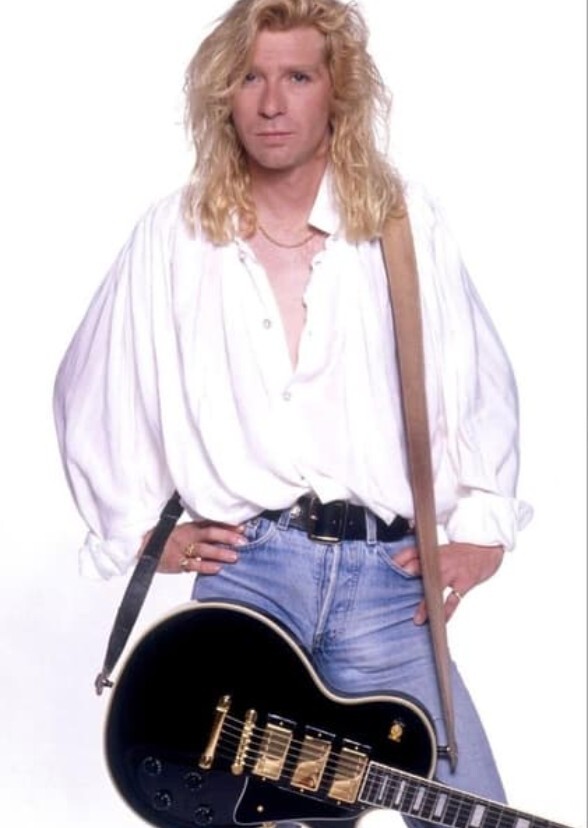
Hysteria: The Steve Clark Story
"Hysteria: The Steve Clark Story" is a gripping biopic chronicling the meteoric rise, creative brilliance, and tragic downfall of one of rock’s most iconic yet enigmatic guitarists, Steve Clark of Def Leppard. Set against the backdrop of the 1980s hard rock revolution, the film is a deeply emotional journey through fame, addiction, and the price of genius. From his humble beginnings in Sheffield, England, Steve Clark’s talent with the guitar set him apart—a self-taught prodigy who merged raw emotion with technical mastery. The story follows his rise to stardom with Def Leppard, from their early days as underdogs in the New Wave of British Heavy Metal to their historic breakthrough with Pyromania and the record-shattering Hysteria. As the band climbed the charts, Clark became known as “The Riffmaster,” penning legendary tracks that would forever define rock music. Yet, behind the electrifying performances and stadium anthems lay a man haunted by inner demons. The film delves into Clark’s struggles with self-doubt, the pressures of fame, and his battle with addiction, juxtaposed with moments of pure creative triumph. It also explores the deep camaraderie within Def Leppard, particularly Clark’s complex friendship with bandmate Phil Collen, who tried to guide him through his darkest days.

Yodels and Rails: The Jimmie Rodgers Story
Journey back to the roaring 1920s, where the clatter of train tracks echoes with the soulful yodels of a man destined to become a legend. "Yodels and Rails" tells the riveting and heartfelt story of Jimmie Rodgers, the "Father of Country Music," whose songs carved the path for an entire genre and whose life embodied the triumphs and tragedies of the American dream. Born in Meridian, Mississippi, Rodgers grew up with the hardscrabble life of the working class, finding solace in music and the steady rhythm of the railroad. As a brakeman battling tuberculosis, Jimmie’s voice became his salvation—a beacon of hope for millions during the Great Depression. From his groundbreaking Bristol recording sessions to his meteoric rise as "The Singing Brakeman," the film captures the grit, innovation, and soul that made Jimmie a cultural icon. At its core, "Yodels and Rails" is more than a musical biopic. It’s the story of a man who defied illness and societal barriers to create art that transcended time, blending folk, blues, and country into something uniquely his own. His signature blue yodel became a rallying cry for dreamers and outcasts, inspiring future legends like Hank Williams, Bob Dylan, and Dolly Parton.

Raw Power: The Dave Alexander Story
Set against the electrifying backdrop of the 1960s Detroit rock scene, Raw Power: The Dave Alexander Story chronicles the meteoric rise and tragic fall of David Michael Alexander, the unsung architect of proto-punk and original bassist of The Stooges. From his humble beginnings in Ann Arbor, Michigan, to the chaos of fame alongside Iggy Pop, Ron, and Scott Asheton, this biopic dives into the tumultuous world of a revolutionary band that redefined rock and roll. Dave was not just a bassist—he was the heart of The Stooges’ early sound, crafting raw, unforgettable grooves that became the foundation of punk. Through never-before-seen insights, Raw Power explores his genius, his struggles with addiction, and his untimely departure from the band. It’s a story of friendship, betrayal, redemption, and the weight of being a pioneer in a world unprepared for your brilliance. Featuring an iconic soundtrack and intimate performances, Raw Power paints a poignant portrait of a man who lived fast, loved deeply, and left a lasting legacy. His induction into the Rock and Roll Hall of Fame in 2010, long after his death, is a testament to the enduring influence of his music. This is the story of a legend who never sought the spotlight but left a shadow over an entire genre—a story of raw talent, raw pain, and raw power.
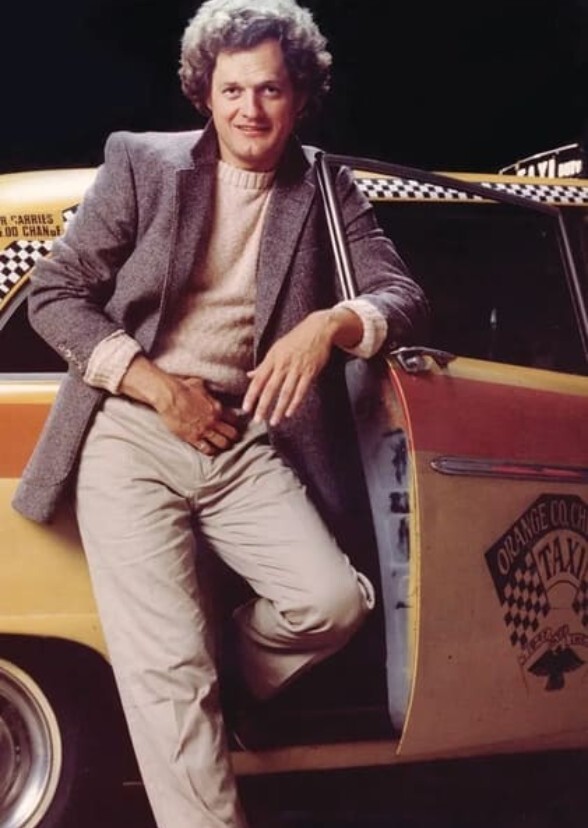
A Better Place to Be: The Harry Chapin Story
Harry Chapin's journey begins in a family of creatives in Brooklyn, where music and storytelling were as vital as air. From his early days as a documentary filmmaker to his rise as a folk rock icon with hits like "Taxi," "Cat’s in the Cradle," and "W·O·L·D," the film delves into the passion and persistence that defined Harry’s career. But this isn’t just a story about fame; it’s about how one man leveraged his success to tackle one of the world’s biggest issues—hunger. Interweaving Chapin’s triumphs and struggles as an artist with his tireless work as a hunger activist, the film paints an intimate portrait of a man who balanced sold-out arenas with grassroots advocacy, founding organizations like World Hunger Year (WHY) and lobbying Congress to fight food insecurity. Despite a grueling schedule and personal sacrifices, Harry's commitment to creating "a better place to be" never wavered. The narrative crescendos with his tragic death at 38 in a car accident, juxtaposing the loss of an extraordinary life with the enduring impact of his work. Chapin’s legacy lives on through his music, activism, and the millions fed by the causes he championed.
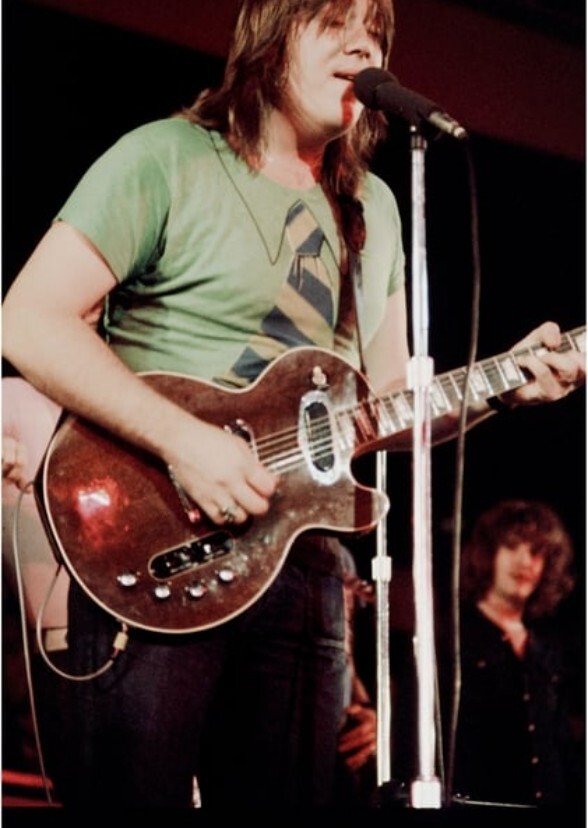
25 or 6 to 4: The Terry Kath Story
"25 or 6 to 4: The Terry Kath Story" explores the meteoric rise and tragic fall of Terry Kath, a founding member of Chicago, one of the most innovative and genre-defying rock bands of the 20th century. Set against the backdrop of a changing America, the film chronicles Kath’s journey from humble beginnings in Chicago’s music scene to international stardom. Kath’s unparalleled guitar skills and deeply emotional voice brought life to hits like "Make Me Smile" and "Colour My World." His sound—a unique fusion of rock, jazz, and blues—set the band apart, earning admiration from musical legends, including Jimi Hendrix, who famously called him “the best guitarist in the universe.” Yet behind the spotlight, Kath struggled with substance abuse, personal insecurities, and the pressure of fame. The movie doesn’t shy away from the raw humanity of Kath's story: his deep loyalty to his bandmates, his love for his family, and his battles with self-doubt. It culminates in the heartbreaking tragedy of his untimely death at 31, a loss that left a permanent void in the music world.