

Stories by @kamsismith
1,477 stories

Rafael Orozco: The Soul of a Pianist
"Rafael Orozco: The Soul of a Pianist" is an eight-part miniseries that delves into the life of Rafael Orozco Flores, a trailblazer who brought Spanish artistry to the world stage. Set against the backdrop of 20th-century Europe, the series begins in the post-war streets of Córdoba, where a young Rafael discovers his gift for the piano. Supported by his family but challenged by societal expectations, Rafael's talent soon earns him a place at the esteemed Conservatorio Superior de Música de Córdoba. The series follows his breakthrough at the Leeds International Piano Competition, catapulting him to international stardom. Alongside his rise, viewers witness Rafael's collaborations with iconic composers and orchestras, the intricate relationship between his Spanish heritage and his artistry, and the emotional cost of living under the relentless spotlight. The story doesn’t shy away from exploring the man behind the music. It reveals Rafael’s struggles with self-doubt, the toll of a demanding career on his personal life, and the tragedy of his untimely passing in 1996. Through it all, the series showcases his indomitable spirit and the profound impact he had on the classical music world.

Blood, Chaos, and Art: The Satan Panonski Story
Blood, Chaos, and Art delves into the extraordinary life and enigmatic legacy of Ivica Čuljak, better known as Satan Panonski. Set against the turbulent backdrop of Yugoslavia in the 1980s and early 1990s, the biopic explores the journey of a man whose music and art defied convention, fueled by personal pain and the chaos of his era. From his small-town roots in Vinkovci to becoming a punk icon and self-proclaimed "rock 'n' roll terrorist," Panonski's story is a whirlwind of rebellion, creativity, and tragedy. The film chronicles his time in prison for a shocking crime, his transformation during psychiatric institutionalization, and his rise as a punk provocateur blending raw poetry, visceral performance art, and shocking self-harm rituals. At its heart, Blood, Chaos, and Art is a study of a man who wrestled with inner demons while creating beauty in destruction. The film doesn't shy away from his contradictions: the tenderness in his poetry juxtaposed with his aggressive stage presence, his yearning for freedom amid a descent into personal and national chaos, and the enduring mystery surrounding his death during the Croatian War of Independence.
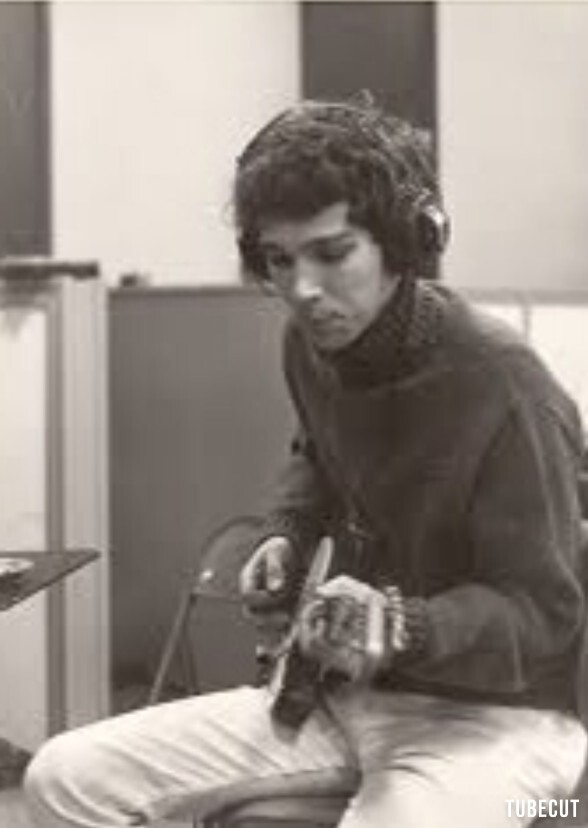
Cosmic Dreams: The Chris Bell Story
"Cosmic Dreams" is a poignant, electrifying biopic that tells the story of Christopher Branford Bell, the unsung pioneer of power pop whose music transcended his brief time on Earth. From the highs of fronting Big Star with Alex Chilton and crafting the iconic album #1 Record to the lows of personal struggles, creative frustration, and near-total obscurity during his lifetime, Bell's journey is one of artistic passion, heartbreak, and a relentless pursuit of meaning. The film begins in Memphis, capturing the vibrant, volatile energy of the early 1970s music scene where Bell, a perfectionist with a penchant for melody, forms Big Star. Despite critical acclaim, #1 Record fails commercially, leaving Bell disillusioned. As Chilton rises to prominence, Bell spirals into self-doubt and leaves the band, grappling with faith, identity, and the search for creative independence. Interwoven with intimate flashbacks of Bell’s upbringing and formative experiences, the story highlights his work on I Am the Cosmos, a collection of deeply personal songs that reflect his internal struggles and yearning for redemption. The haunting title track becomes a central motif, a window into his soul.

Somewhere Over the Rainbow: The Braddah IZ Story
"Somewhere Over the Rainbow: The Braddah IZ Story" is a moving and inspiring biopic that captures the life, struggles, and transcendent legacy of Israel Kamakawiwoʻole—an artist whose music touched millions and a cultural icon who carried the spirit of Hawaii in every note. From his humble beginnings in Honolulu’s working-class neighborhoods to his rise as a beloved Hawaiian musician, the film delves into IZ’s unwavering dedication to his culture, his family, and his dream of sharing Hawaii’s story with the world. We follow his journey through the streets of Makaha, where he found his voice and a brotherhood in music with the Makaha Sons of Niʻihau, to the recording studio where his haunting medley of “Somewhere Over the Rainbow/What a Wonderful World” became a global sensation. But this isn’t just a story of fame—it’s a deeply personal exploration of a man grappling with the pressures of his growing success, his health struggles, and the weight of being a cultural ambassador for Hawaii. As IZ faces his battles, his music becomes a beacon of hope, resilience, and aloha, inspiring his people to stand proud of their heritage and bringing a message of unity and love to a fractured world.

The Sultan of Swat: The Babe Ruth Story
In this gripping and dynamic miniseries, The Sultan of Swat: The Babe Ruth Story brings to life the complex, thrilling, and larger-than-life journey of George Herman "Babe" Ruth, the baseball legend who transcended sport to become an American icon. Spanning his rise from an orphaned child in Baltimore to his transformative years with the Boston Red Sox, and ultimately his storied tenure with the New York Yankees, the series captures Ruth's unparalleled charisma, rebellious spirit, and remarkable skill on the field. At its heart, this miniseries is more than just about baseball—it is about a man who defined an era, breaking records and shattering societal norms, while battling personal demons, the weight of fame, and his deep love for the game. The show takes a deep dive into Ruth's duality: the fearless, swaggering superstar who captivated crowds with his towering home runs, and the vulnerable, sometimes misunderstood man who wrestled with a troubled past and struggled to balance his public persona with his private life. His friendships with key figures in baseball, including manager Miller Huggins, his rivalry with fellow slugger Lou Gehrig, and his relationships with teammates, family, and the women who loved him, form an emotional backbone to the narrative.

Mantle: The Yankee Legend
Mantle: The Yankee Legend is a gripping biopic miniseries that delves into the life of one of the greatest baseball players in history, Mickey Mantle. Set against the backdrop of 1950s and 1960s America, this series charts the rise and fall of the "Commerce Comet"—from his humble beginnings in rural Oklahoma to becoming a baseball icon with the New York Yankees. This miniseries offers a deep, multi-layered exploration of Mickey Mantle's journey both on and off the field. It covers his record-breaking career, his tragic personal battles with addiction, his complex family life, and the pressures of being a larger-than-life figure in a time when fame and fortune often came with immense personal sacrifice. The series will spotlight his relationships with legendary figures like Joe DiMaggio, Yogi Berra, and Babe Ruth, while also shedding light on his struggles with the media, injuries, and the constant drive to live up to his own myth. The show will explore themes of ambition, the price of greatness, and the pursuit of redemption. Mantle: The Yankee Legend will be a vivid portrayal of a man whose brilliance on the baseball diamond was matched only by the darkness he faced behind closed doors.

Pig: The Paul Gray Story
"Pig: The Paul Gray Story" is a powerful, emotional biopic about Paul Dedrick Gray, the co-founder of the legendary metal band Slipknot. Known as "The Pig" and assigned #2, Paul Gray was a creative force who shaped the heavy metal world, but his journey was fraught with internal battles, personal demons, and a relentless pursuit of musical expression. The film dives deep into Paul’s life—from his early years in Des Moines, Iowa, to the formation of Slipknot, and the meteoric rise that would make the band a global phenomenon. As the band's bassist, Paul was a foundational element of Slipknot’s aggressive sound, complex songwriting, and haunting imagery, but the masks he wore on stage were only a reflection of the inner struggle he faced offstage. A story of intense passion, addiction, and the cost of fame, the biopic explores the complexity of Paul's relationships with his bandmates, his family, and himself. At the heart of the film is Paul's pursuit of creative freedom, the chaos of life in the spotlight, and the painful reality of losing himself in the very thing he loved. With haunting performances and an unforgettable soundtrack, "Pig" captures the essence of Paul Gray's life—both the music that defined a generation and the tragic loss of a man who gave his all, but never truly found peace.

The Gentleman: The Andrés Escobar Story
The story begins in Medellín, Colombia, as a young Andrés Escobar discovers his love for football amidst a backdrop of a country struggling with violence and political unrest. Rising through the ranks of Atlético Nacional, he becomes a symbol of integrity and sportsmanship, representing a Colombia desperate for positive role models. As Escobar leads the national team to the 1994 FIFA World Cup, the weight of the country's expectations grows heavier. Colombia’s shocking early elimination, exacerbated by Escobar's unfortunate own goal, sets off a chain of events that intertwines the sport with the dark underbelly of Colombian society. The film climaxes with Escobar’s return to Medellín, his unwavering determination to bring hope to his people, and his tragic death at the hands of those who failed to separate the game from the realities of crime and corruption. His final words—"Life doesn’t end here"—echo as a haunting reminder of the power of hope, resilience, and the cost of being a hero in a broken world.

Strings of Resilience: The Dennis Danell Story
Set against the gritty backdrop of Southern California's emerging punk rock scene in the late '70s and '80s, "Strings of Resilience" chronicles Dennis Danell's rise from an everyday suburban kid to a cornerstone of one of punk rock’s most influential bands, Social Distortion. The film dives deep into Dennis’s unique bond with frontman Mike Ness, exploring their contrasting personalities and shared vision as they fought to turn their raw energy into music that resonated with millions. Through electrifying performances and moments of quiet introspection, the biopic reveals Dennis’s role as the steady, grounding force in a band fueled by chaos, passion, and the defiant spirit of punk rock. As Social Distortion navigates addiction, personal loss, and the pressures of evolving their sound, the story captures the highs and lows of a musician dedicated to his craft and loyal to his bandmates. Beyond the stage, "Strings of Resilience" uncovers the man behind the guitar: a loving father, a loyal friend, and a creative soul who balanced the intensity of the punk world with a profound sense of humility and heart. His untimely death at 38 left a void in the music world, but his legacy continues to inspire.

Gwen: A Light That Endures
In a small California town in 2002, a vibrant and fearless teenager named Gwen Araujo refuses to let societal norms define her. Born Edward Araujo Jr., Gwen embarks on a deeply personal journey of self-discovery and unapologetic authenticity, embracing her identity as a transgender woman. Her warmth, humor, and magnetic presence touch the lives of her family, friends, and community, even as she faces the harsh realities of intolerance and prejudice. Told through the lens of those who loved her, Gwen: A Light That Endures captures the beauty of Gwen’s spirit and the tragic loss that shocked the nation. The film delves into the events leading to her untimely death, revealing not just a life cut short but the enduring impact of her legacy. Gwen’s story ignited a national conversation about trans rights and hate crimes, leaving behind a powerful message about love, acceptance, and resilience. This biopic is a celebration of Gwen’s life, portraying her as not just a victim of injustice but as a symbol of hope and a catalyst for change. It’s a poignant, heartbreaking, and ultimately uplifting story that demands to be told.

Criss Oliva: The Voice of a Shattered Soul
In the late 1980s and early '90s, heavy metal was on the rise, and at the heart of it was Criss Oliva—a virtuoso guitarist and co-founder of the legendary band Savatage. "Criss Oliva: The Voice of a Shattered Soul" is a biopic that takes us inside the mind and life of a troubled genius, tracing Criss’s journey from his early days in Tampa, Florida, to becoming one of the most respected guitarists in rock history. The film will explore Oliva’s deep musical bond with his brother Jon, their creation of Savatage, and how their groundbreaking albums like Hall of the Mountain King and Gutter Ballet pushed the boundaries of heavy metal. Through gripping musical sequences, we’ll see Criss’s technical brilliance and his role in pioneering symphonic metal, fusing complex riffs with orchestral arrangements that would influence generations to come. However, Criss’s story is not just one of triumph. The film will delve into his personal demons—the pressure of fame, his internal struggle for self-acceptance, and his relationships within the chaotic rock world. Alongside his brother Jon, Criss's bond with his bandmates and his love for his wife will be at the center of his emotional conflict.

Browned Out: The Barry Brown Story
In "Browned Out: The Barry Brown Story," we delve into the tumultuous life and enduring legacy of Donald Barry Brown, a prodigiously talented actor, playwright, and author who burned brightly but briefly in the 1970s Hollywood scene. With his sharp intellect, piercing charisma, and unmatched ability to bring literary characters to life, Brown captivated audiences in films like Daisy Miller, where his portrayal of Frederick Winterbourne remains a masterclass in nuanced acting. But behind his polished exterior was a man wrestling with profound inner turmoil. The biopic offers a kaleidoscopic journey through the paradoxes of Brown's life—his passion for art and literature clashing with the crushing pressures of an industry that couldn't fully appreciate his sensitivity. From the sets of Peter Bogdanovich's films, where he was hailed for his intelligence and authenticity, to the quiet isolation of his writing desk, where he sought refuge in his own stories, the film reveals a man whose genius was both his gift and his burden. As Brown navigates the allure and pitfalls of fame, the story explores his relationships: with his contemporaries, who admired his talent but struggled to connect with his intensity; with his family, particularly his younger sister Marilyn Brown, whose own struggles mirrored his; and with himself, as he sought meaning in an often superficial world.

Underground Kings: The UGK Story
In the gritty and soulful streets of Port Arthur, Texas, a musical revolution began. Underground Kings: The UGK Story is a raw and unflinching biopic miniseries chronicling the meteoric rise, profound struggles, and lasting legacy of one of hip-hop’s most influential duos: Chad “Pimp C” Butler and Bernard “Bun B” Freeman. Over six powerful episodes, the series delves into the personal and professional lives of Pimp C and Bun B, who brought Southern rap to the forefront of the music industry with their unrelenting authenticity and groundbreaking sound. From their humble beginnings in a small Texas town to becoming pioneers of the “Dirty South” movement, the series captures their indomitable spirit and the obstacles they faced navigating an industry dominated by East and West Coast giants. The story also explores the duo’s personal trials: Pimp C’s tragic battles with incarceration and addiction, Bun B’s fight to keep their legacy alive during Pimp’s absence, and the brotherhood that held them together through it all. Alongside their story, the series shines a light on the cultural and social dynamics of the South in the '90s, showcasing how UGK became the voice of a generation often overlooked.

Glycerine: The Story of Bush
Dive into the raw, electrifying, and turbulent journey of Bush, the British rock band that defied the odds and left an indelible mark on the global music scene. Glycerine is a gripping biopic miniseries that chronicles the band’s formation in London in 1992, their meteoric rise to fame during the post-grunge explosion, and their enduring legacy in the ever-changing world of rock music. Through six episodes, we’ll follow the passionate artistry of Gavin Rossdale as he navigates the challenges of fronting a British band in a genre dominated by American counterparts. From the massive success of their debut album Sixteen Stone, featuring hits like “Glycerine” and “Comedown,” to the personal and professional struggles that tested their unity, the series delves deep into the human stories behind the anthems.

Fire and Desire: The Teena Marie Story
Teena Marie's life is a story of passion, resilience, and revolution. Born Mary Christine Brockert, her journey begins as a musically gifted yet overlooked young girl in the working-class neighborhoods of California. Her path takes an unexpected turn when she becomes the protégé of the enigmatic and volatile Rick James. Together, they create magic on stage, culminating in their iconic duet, "Fire and Desire," which sets the music world ablaze. But Teena's story is more than just her rise to stardom. The series explores her relentless fight against racial and gender barriers, her groundbreaking lawsuit against her record label to secure artistic control, and her ability to bridge cultural divides with her undeniable authenticity. Her personal life is marked by triumphs and challenges, from the highs of motherhood and Grammy nominations to the struggles with substance abuse and the heartbreak of losing Rick James. Through a soundtrack of unforgettable hits like "Lovergirl," "Square Biz," and "Out on a Limb," Fire and Desire weaves Teena’s personal and professional evolution with the vibrant cultural shifts of the '70s, '80s, and '90s. Each episode offers a mix of powerful performances, intimate moments, and behind-the-scenes drama that will captivate both lifelong fans and newcomers alike.

Eclipsed Dawn: The Ai Xia Story
In the heart of Shanghai’s roaring 1930s, a city alive with jazz, rebellion, and silent cinema, Eclipsed Dawn tells the hauntingly poignant story of Ai Xia, the trailblazing actress and screenwriter whose meteoric rise and tragic fall mirror the turbulence of her time. Ai Xia, born into modest means, broke barriers in the male-dominated film industry as a bold voice in left-wing cinema. With her haunting performances and incisive scripts, she became the voice of a generation grappling with war, colonialism, and the fight for social justice. But behind the camera’s glow and the adulation of fans lay a woman caught in the vice grip of artistic ambition, societal expectations, and personal despair. The film chronicles her tumultuous journey, from her passionate entry into filmmaking and her rise as a silent film star to her fraught relationship with fame and her eventual tragic death. It delves into her struggle to balance her revolutionary ideals with the pressures of an entertainment industry rife with exploitation.

Parklife: The Blur Story
"Parklife: The Blur Story" is a dynamic, multi-episode biopic miniseries chronicling the meteoric rise, creative highs, and personal struggles of one of Britain’s most iconic bands, Blur. Set against the vibrant backdrop of the 1990s, the series immerses viewers in the cultural explosion of the Britpop era, exploring Blur’s evolution from scrappy art-school students to global superstars. Through its central quartet—frontman Damon Albarn, guitarist Graham Coxon, bassist Alex James, and drummer Dave Rowntree—the series captures the raw energy, clashing egos, and collaborative genius that defined Blur. It explores the band’s initial failures, breakthrough with Modern Life Is Rubbish, domination with Parklife and The Great Escape, and the intense rivalry with Oasis that gripped the UK. But Parklife isn’t just about chart battles and sold-out shows. It's an intimate portrait of four young men navigating fame, identity, and creative tension. It delves into Graham Coxon's struggle with addiction, Damon Albarn’s relentless drive, and how the pressures of success nearly tore the band apart before their triumphant reunion.

Brownstone: Harmonies of the Heart
"Brownstone: Harmonies of the Heart" is a heartfelt and electric biopic miniseries that tells the untold story of one of the most celebrated R&B groups of the 1990s: Brownstone. From their meteoric rise to fame with their Grammy-nominated hit "If You Love Me," to the personal struggles and triumphs that shaped their journey, this series captures the essence of their music, their bond, and their legacy.

Oda: The Forgotten Voice of Osaka
Set in the tumultuous years of 1930s and 1940s Japan, "Oda" chronicles the brief but incandescent life of Sakunosuke Oda, a writer who gave voice to the soul of Osaka. Known for his defiance of convention and his unflinching portrayal of the struggles and resilience of the common people, Oda’s work stood as a counterpoint to the rising tide of authoritarianism and cultural conformity. The film begins in Oda’s early years, capturing the vibrant yet chaotic streets of Osaka, where the young Sakunosuke, an observer of life’s contradictions, finds inspiration. His sharp wit and keen sensitivity lead him to writing stories that blend humor, tragedy, and a love for the downtrodden. As his fame grows, so does his reputation as a member of the Buraiha—a group of renegade authors challenging the moralistic and conservative norms of Japanese literature. At its heart, "Oda" is a story about resilience. From navigating personal poverty and societal scorn to battling tuberculosis that would ultimately claim his life at just 33, Oda remains committed to his art. Through his friendship with Osamu Dazai and Ango Sakaguchi, the film explores the camaraderie and tensions among these literary giants, painting a vivid picture of the Buraiha era.

The Milky Way Poet
In the serene yet harsh landscapes of rural Japan, during the late Taishō and early Shōwa periods, a man of boundless imagination and compassion emerges—Kenji Miyazawa, a visionary poet, educator, and idealist. "The Milky Way Poet" is a sweeping, heartfelt biopic that traces Miyazawa’s life journey, from his idyllic yet challenging childhood in Hanamaki to his transformative years as a writer and social activist, culminating in his quiet but profound legacy. The film opens with a young Kenji, captivated by the mysteries of the natural world and inspired by the shimmering stars above the rugged Iwate countryside. Guided by his devout Buddhist faith and his father’s call to carry on the family business, Kenji struggles to balance tradition with his restless pursuit of artistic and spiritual truth. When tragedy strikes, he turns to literature and science as a means of healing and hope. We witness his passion for teaching farmers modern agricultural techniques, his advocacy for social equity, and his deep empathy for both people and the planet. His poetry—vivid, otherworldly, and suffused with cosmic wonder—becomes a mirror of his inner conflicts, loneliness, and yearning for a utopian society. Interspersed with dreamlike sequences, the film draws from Kenji’s poetic imagination, including animated depictions of his iconic works like Night on the Galactic Railroad and Ginga Tetsudō no Yoru (Night of the Milky Way Railway).