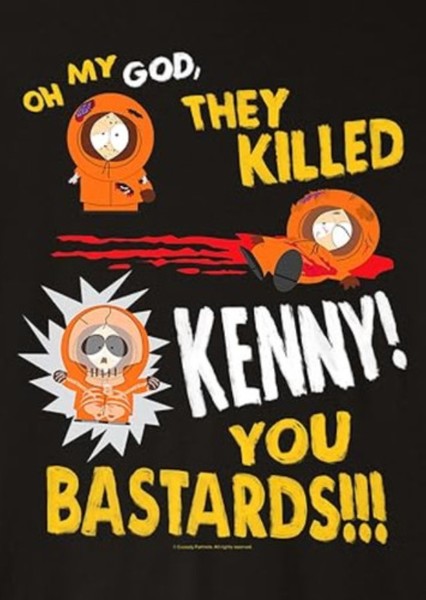
Continuity has always been a bugaboo for writers, the requisite for things to make sense and follow some form of narrative logic thus limiting the possibilities of what can be done later. A requirement that provides scribes with all manner of headaches, hairsplitting, and plothole-induced dementia. Nevertheless, many series go out of their way to pay careful attention to every little detail that goes on in their worlds. The Universe Bible is king; nothing can happen that doesn't fit the existing history. Other shows are less exacting, and an occasional continuity error will be glossed over for the sake of the current episode's plot. Then there are these. Not only is there no established continuity, but the show is free to completely wreck the continuity and be assured of a full reboot by the start of the next episode. Burned a hole in your favorite outfit? Don't worry, it'll be better next episode. Burned down your house? No worries, it will be back next time. Turned into a frog, died, destroyed the universe? No problem! If one episode ever continues from the last, it's only because it's part of a storyline too long for just one episode — don't expect any apparent changes from the previous episode to be recognized outside that specific storyline. The expectation of a new episode reboot is so strong that, in extreme cases, simply having continuity can count as a subversive gag (for example, the letters CHA appearing on the Moon in episodes of The Tick or The Simpsons' forked tongues) or simply the creators getting a kick out of teasing the viewers that have been around long enough (assuming they can remember at least as well as the writers, which they often can). Generally constrained to American animated shows, or to shows with that style of "cartoony" humor. Often employs Ping Pong Naïveté to allow the humour to work. Often gives the feeling of an Unreliable Narrator (even if there isn't one to begin with). The greatest benefit of this trope is that it allows a show to be syndicated out of order, and the lack of continuity means that unfamiliar viewers can watch each episode without feeling confused or "out of the loop". This is why continuity-heavy shows, regardless of popularity, tend to see minimal airtime outside of episode premieres. This doesn't mean everything is always reset, however. The events that setup the premise of the work will always remain, while things like a new character having a proper introduction or a dead character staying dead will occasionally be respected as well, and a Clip Show Episode may avert this by showing scenes from multiple past episodes as events that happened and the characters remember, although that continuity may only apply for this particular episode. One of the meta-causes of Alternate Universe. Related to Status Quo Is God (where the status quo is restored no matter what happens), except it is (or can be) more deliberate/explicit, and it doesn't require any narrative explanation. See also: No Ontological Inertia. Also related are Broad Strokes (where a sequel or reboot implies at least some of the older installments to still be canon), Snap Back (where a single episode ends in a way that is inexplicably undone by the next episode), and Universal-Adaptor Cast (where the same characters take on different roles in different stories). Not to be confused with Fanon Discontinuity (when fans disregard the events of installments they dislike) or Canon Discontinuity (where an installment is confirmed to be non-canon).
Negative Continuity has been suggested to play 0 roles. Click below to see other actors suggested for each role, and vote for who you think would play the role best.
Negative Continuity has been suggested to play 0 roles. Click below to see other actors suggested for each role, and vote for who you think would play the role best.
No fan cast suggestions yet.