

Stories by @sepanta_kazemi
63 stories
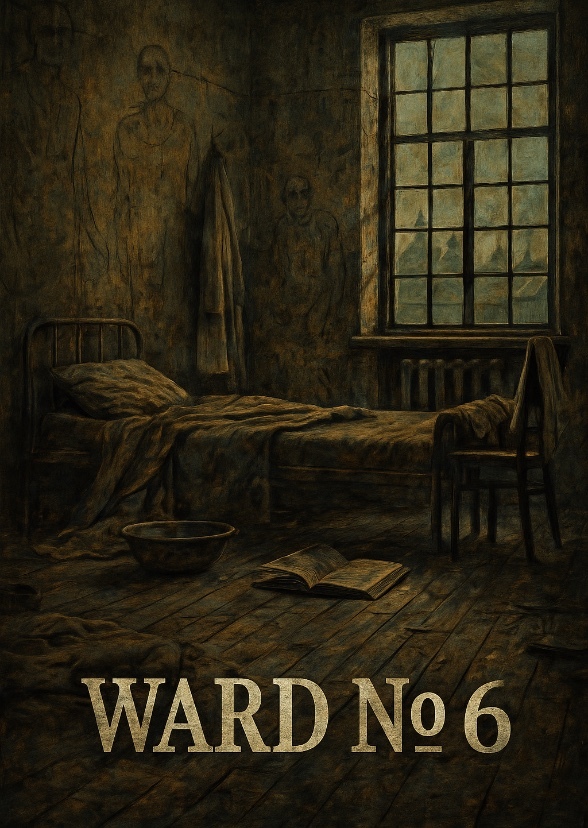
Ward No. 6
Inside a neglected asylum on the edge of a forgotten town, Ward No. 6 holds five men whose lives have been reduced to a series of routines, outbursts, and distant stares. The room is small, damp, and worn down—yet it becomes the center of a quiet, unsettling story about the thin line between sanity and despair. Among its residents are a silent giant who reacts to nothing, an old man who sings to himself as he darts between windows, and a peasant so unresponsive that even violence fails to move him. But it’s Ivan Dmitrich Gromov, a former court clerk haunted by relentless paranoia, who draws the attention of the asylum’s doctor. Dr. Andrey Yefimich, a reclusive physician lost in his books and abstract philosophies, visits Ward No. 6 out of duty—until his conversations with Ivan become the only moments he truly feels understood. Their exchanges shift from formal checkups to long, restless discussions about fear, suffering, and the meaning of human existence. As the bond deepens, the boundaries between doctor and patient blur. Andrey, who once believed suffering could be reasoned away, finds himself confronting questions he had always avoided. Ivan, a man swallowed by terror and past trauma, challenges every certainty the doctor has relied on. Around them, the asylum’s staff grows wary. When a new physician observes the unusual closeness between the two men, suspicion spreads through the institution. What begins as philosophical dialogue slowly becomes a test of perception—of who defines madness, and what happens when the one who observes begins to resemble the one observed. Ward No. 6 unfolds as an intense, atmospheric drama about isolation, compassion, and the fragile relationship between the mind and the world around it—capturing the moment when curiosity turns into involvement, and involvement becomes something far more dangerous.
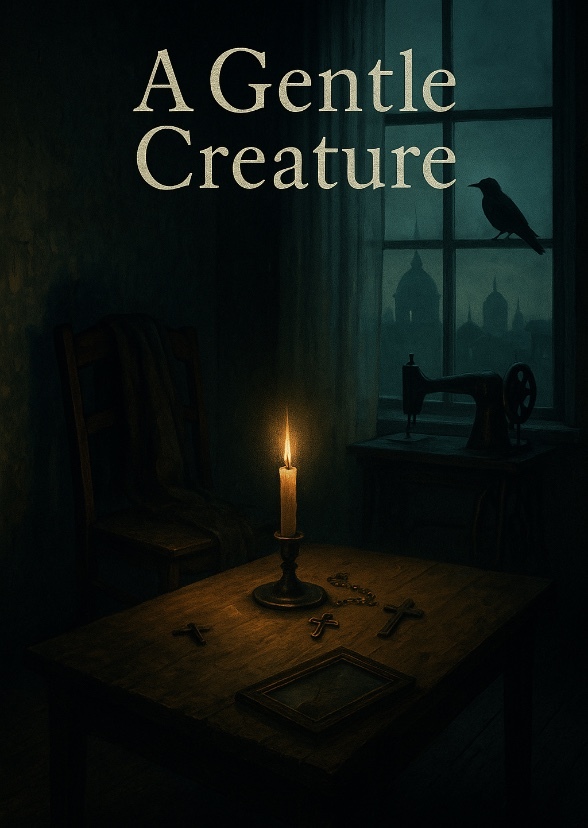
A Gentle Creature
In a dim apartment above a small pawn shop, Stepan Nikolayevich Luzin keeps vigil beside the body of his young wife. Through the long night, Stepan’s thoughts trace the story of how their lives became entangled. Years earlier, a quiet sixteen-year-old girl—Elizaveta Mikhailovna Orlova (A Gentle Creature), known simply as Elizaveta—alone, broke, and with nowhere to go, began bringing unwanted items to his shop, hoping to pawn whatever she could. Stepan saw her fragility as something that needed protection, and convinced himself that marrying her was an act of rescue. What he never questioned was whether she wanted the same life he imagined for her. Their home quickly turned into a place of mismatched needs: Stepan, burdened by old wounds and desperate for loyalty he struggled to express; and Elizaveta, hoping to find affection with someone who barely understood how to offer it. With nothing in common—no shared past, no shared desires—silence grows between them, slowly taking the shape of a wall neither can cross. As Stepan recalls their time together, the film unfolds inside his restless mind, shifting between memory and confession. What emerges is the portrait of a relationship built on loneliness, fear, and the things left unsaid—two people reaching for comfort in completely different ways, destined to miss each other at every turn. A Gentle Creature becomes a tense, intimate study of a bond that was fragile from the very beginning, told by the only person left to speak.
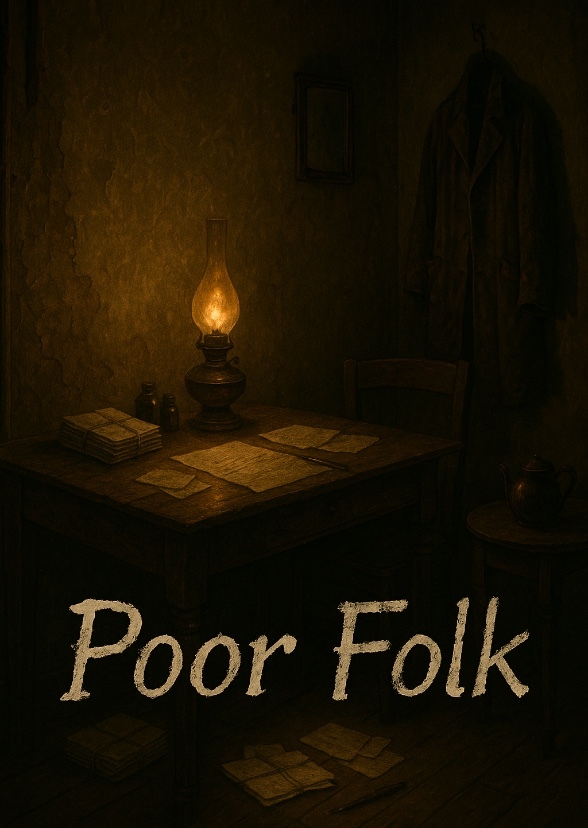
Poor Folk
In a cramped St. Petersburg neighborhood, two distant relatives—Varvara Dobroselova and Makar Devushkin—live across from each other in rundown apartments where thin walls carry every sound of struggle. Both hover at the edge of poverty, but the letters they exchange become the one steady thread holding their lives together. Varvara carries the weight of a turbulent past: a harsh childhood, an abusive home, and a brief, tender attachment that ended in loss. Makar works long hours as a low-level copyist, constantly belittled at the office and painfully aware of his place in the world. Despite his hardships, he sends her gifts he can barely afford, hoping to offer her a small comfort. Through their correspondence, they share stories, fears, and the small victories that keep them going. Books pass between them, ideas spark, and a quiet bond forms—fragile, hopeful, and never spoken aloud. As pressures mount around them—money troubles, intrusive landlords, old memories, and new opportunities—the two must face a question they’ve both avoided: whether their connection can survive the hard pull of circumstances that never seem to ease. Poor Folk unfolds as an intimate portrait of two lonely souls reaching toward each other in a city that rarely makes room for tenderness, letting their letters become the only place where they can breathe.
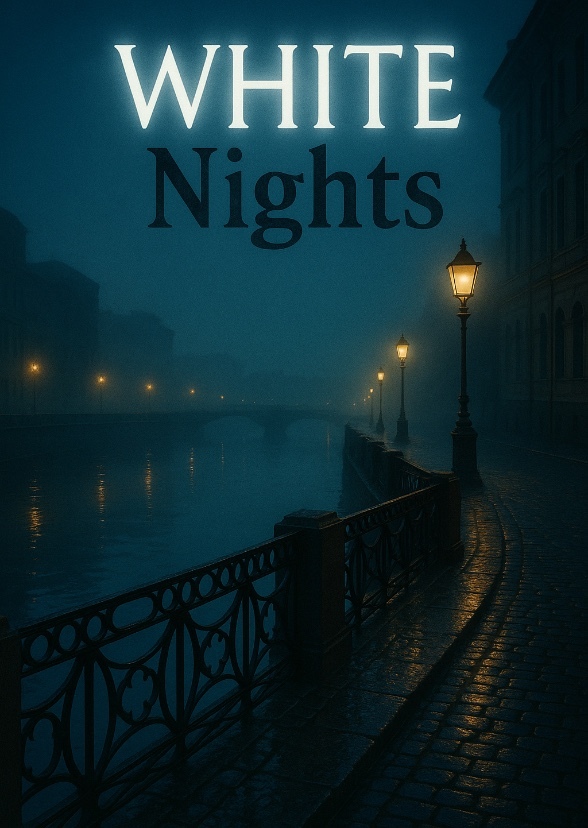
White Nights
In the quiet glow of St. Petersburg’s summer nights, a lonely young man drifts through the city with no one but his thoughts for company. His routine breaks when he comes across a distressed young woman standing alone on a bridge. He steps in to help, and that brief moment pulls them into a fragile connection neither expected. Night after night, the two meet again. In those long walks through the sleepless city, they open up to each other—she about a love marked by uncertainty, and he about a life spent more in imagination than in the world around him. As their conversations deepen, a bond forms between them, delicate and full of possibility. Yet beneath the calm surface of the bright nights, both carry hopes and fears that could reshape everything the moment dawn arrives. White Nights is a quiet, intimate portrait of two wandering souls who find each other just when they need it most—without knowing where their shared nights may lead.
The Patient Stone
Set in the early 1900s, The Patient Stone follows Ahmad Agha, a solitary young teacher in Shiraz who becomes tangled in the misery surrounding the rundown house where he lives. What starts as concern for a missing neighbor draws him into a darker truth about the city and the people trapped inside it. The house holds several residents fighting their own battles: Gohar, a mother struggling to survive after being cast out of her wealthy husband’s home; Belghis, stuck in a hollow marriage with an addict and aching for affection; and Jahan-Soltan, an abandoned old servant whose body and mind are failing. When Gohar vanishes, Ahmad begins searching for her, driven partly by guilt, partly by memories of his own broken childhood. His search leads him to a respected merchant known as Seif-ol-Qalam, whose reputation masks a hidden pattern of disappearances. Behind the walls of his home, women who sought shelter never reappear. As Ahmad digs deeper, the city’s bitter underbelly reveals itself—poverty, cruelty, corruption, and the quiet violence people learn to accept. The stories of the house collide, and Ahmad becomes the reluctant witness to lives crushed by desperation. The truth surfaces when Seif-ol-Qalam is arrested: eight women and two men murdered and buried beneath his home, including Gohar. And just as the dust settles, tragedy strikes once more—Gohar’s young son, Kakol-Zari, slips into the courtyard pool and drowns. The film draws a bleak, unflinching picture of a society suffocating under its own weight, where every glimmer of hope is swallowed by hardship. Through Ahmad’s eyes, we see a world that offers no rescue—only the harsh duty of telling its story.
The Thibaults
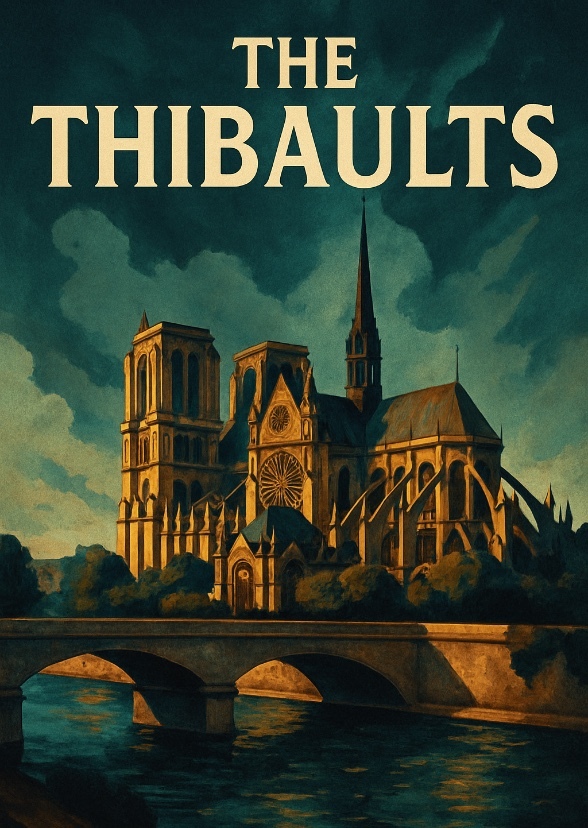
Set in the tense years leading up to World War I, the film follows the Thibault family, whose comfortable life begins to fracture as political unrest spreads across Europe. At the center of it are two brothers pulled in opposite directions. Jacques, the younger son, chafes under his father’s rigid rules. Impulsive and idealistic, he runs away from home and falls in with underground political groups that promise swift, dramatic change. Antoine, the older brother, is a calm, introspective doctor who believes real progress comes slowly and through compassion, not upheaval. While Jacques throws himself into movements that flirt with danger, Antoine buries himself in his work, trying to do good in small, steady ways. The story moves along two intertwined tracks: the rising turmoil reshaping Europe, and the quiet storms within a family trying to hold itself together. As war approaches, the brothers’ opposing visions collide, forcing them to confront the cost of their beliefs—and whether the bond between them can survive a world on the edge.
The Death of Ivan Ilyich
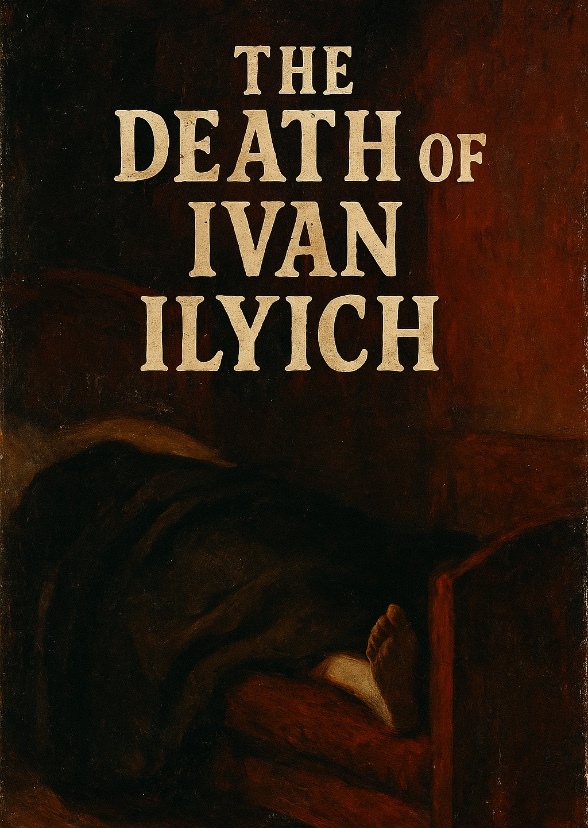
Ivan Ilyich, a respected high-court judge in Imperial Russia, has built his life on comfort, routine, and social approval. His elegant home, carefully managed marriage, and rising career all seem to confirm that he has achieved the life every man should want. But when a sudden, mysterious pain begins to spread through his body, Ivan’s perfectly constructed world starts to unravel. What begins as an inconvenience slowly becomes a relentless illness—one that no doctor can explain and no medicine can ease. Confined to his bed, Ivan watches the people around him reveal their true selves. His colleagues treat his suffering as an inconvenience. His wife and daughter grow distant behind polite formalities. And the rituals of society, once so reassuring, now feel empty and cruelly indifferent. Only Gerasim, a young servant, shows him genuine kindness—a simple, human compassion Ivan has never truly known. As his illness worsens, Ivan is forced to confront the life he lived: the choices he made, the ambitions he chased, and the love he never allowed himself to give or receive. In the final days of his life, Ivan faces a truth more terrifying than death itself—the possibility that he has not really lived at all. A stark, intimate psychological drama, The Death of Ivan Ilyich explores the fear of dying, the illusion of status, and the discovery of meaning at the edge of life—where one man’s suffering becomes his path toward clarity, forgiveness, and ultimately, peace.
Malevil
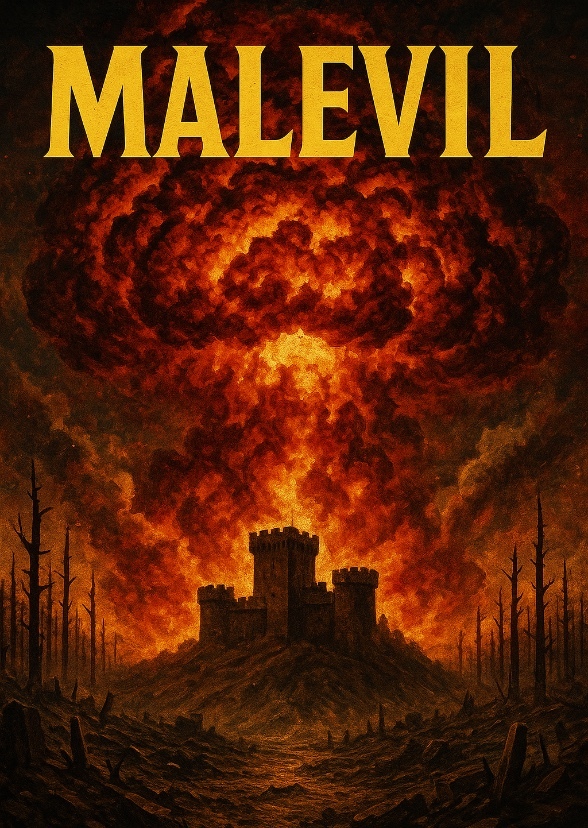
In the quiet countryside of southwestern France, a group of friends gather inside the ancient stone vaults of Malevil, a medieval castle turned winery. What begins as an ordinary day is shattered in an instant when a blinding flash tears across the sky—a nuclear strike that wipes out everything beyond the castle’s thick walls. Emerging from the underground chambers, Emmanuel Comte and the survivors face a silent, burned world. Villages have vanished. Fields are dead. The rules of civilization no longer exist. With supplies dwindling and danger closing in, Malevil becomes both their sanctuary and their responsibility. Determined to rebuild some form of human community, Emmanuel leads the group—old friends, farmers, and children—through the brutal realities of survival. But hope is fragile. As scattered survivors arrive, alliances form and fracture. And when a ruthless, self-proclaimed leader rises from a neighboring settlement, Malevil is forced into a confrontation where morality becomes a luxury they can no longer afford. In a world burned clean of order and innocence, the fight for survival becomes a fight for the soul of humanity. Trust is perilous, leadership carries a cost, and rebuilding civilization may demand more sacrifice than anyone imagined. A tense, character-driven post-apocalyptic drama, Malevil explores resilience, community, and the thin line between survival and savagery—where the future of a new world is shaped by the choices of a few.
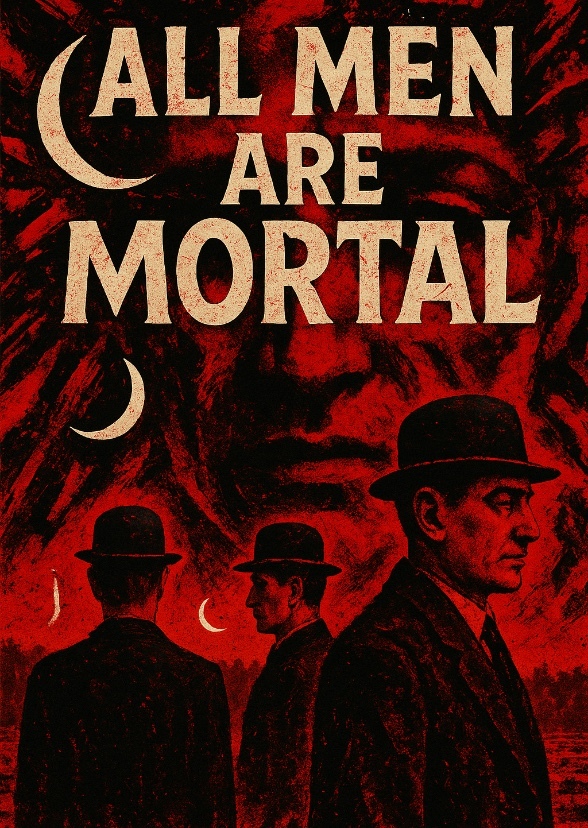
All Men Are Mortal
When rising stage actress Regina meets a quiet, enigmatic man named Raymond Fosca, she is drawn to the strange intensity behind his eyes. But Fosca carries a secret that defies all reason—he is immortal, condemned to walk the world for centuries, unable to die. Obsessed with understanding him, Regina pushes Fosca to reveal the truth of his past. What begins as curiosity turns into a sweeping journey across time, as Fosca recounts lifetimes of triumph and loss: the rise and fall of kingdoms, revolutions, betrayals, and the deep loneliness that has followed him through every century. While Regina imagines immortality as the ultimate safeguard for her fame and legacy, Fosca’s memories expose a harsher truth—eternal life strips the world of meaning, leaving every love and every ambition to eventually fade into emptiness. As their relationship blurs the line between passion and desperation, Regina becomes captivated by the very condition that has destroyed Fosca’s ability to feel connected to anything. And in the clash between her hunger for significance and his exhaustion from endless existence, the film asks a haunting question: What does it mean to live forever… when nothing around you does? A psychological drama that moves between modern life and centuries of lived history, All Men Are Mortal explores desire, fear, and the fragile human need for purpose—revealing that immortality may be the greatest curse of all.
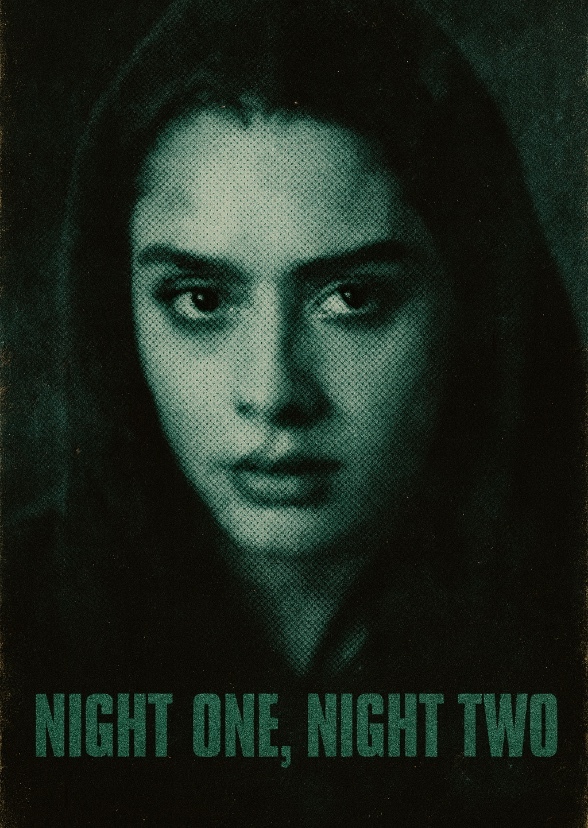
Night One, Night Two
After the collapse of a love he cannot escape, Zavosh Izadan, a writer drifting between bitterness and longing, sits alone with the only pieces of his past that still breathe—the letters of Bibi. Bibi, born into privilege and raised in Europe, has always lived at the edge of rebellion. Trained in fashion and makeup design, she becomes infamous for a daring line of clothing created for workers, titled “Night One, Night Two.” Her return to Iran brings her into the bohemian circles of artists and intellectuals, where she meets Zavosh. Their connection is immediate, turbulent, and intoxicating—two restless souls clinging to each other in a world that refuses to hold them still. But Bibi is a woman in motion. She leaves Iran once more, drifting to Zurich, where she marries and tries to build a stable life. Yet her marriage cannot quiet the ache she carries for Zavosh. Through her letters—sometimes tender, sometimes cruel—Bibi pulls him back into a love that refuses to die, even as distance, time, and choices sharpen its pain. Every time she returns to Iran, her refuge is the warmth of Zavosh’s arms… and every time she leaves, she leaves him emptier than before. As Zavosh rereads the letters, the film intercuts between memory and present—revealing a fractured love story marked by freedom, desire, betrayal, and the quiet devastation of two people who can neither fully be together nor fully let go. A raw, intimate portrait of longing, Night One, Night Two is a story about the wounds we choose, the loves we return to, and the memories that refuse to fade.
Night of Terror
Night of Terror follows one sleepless night in the final years before the Iranian Revolution, where the lives of two men—born from the same wounded past yet shaped into opposite extremes—intertwine in a tense psychological spiral. Hedayat, a university professor and once-idealistic intellectual, now finds himself paralyzed by fear, self-doubt, and the weight of a collapsing society. His anger turns inward, feeding a quiet, corrosive despair. Meanwhile, Hadi, a brutal security agent molded by the same history, has learned to weaponize his rage outward, inflicting pain on others with ruthless confidence. As political unrest intensifies outside, both men are forced to confront the origins of their shared darkness. Through fragmented memories, feverish thoughts, and the growing tremor of revolution in the streets, the story reveals that the line between the “intellectual” and the “thug” is thinner than it appears—both products of the same broken system, both carrying the same seed of violence. Over the course of a single night, their inner storms collide with the external chaos of a nation on the brink, where buried rage erupts, identities crumble, and no one escapes the fire of what is coming.
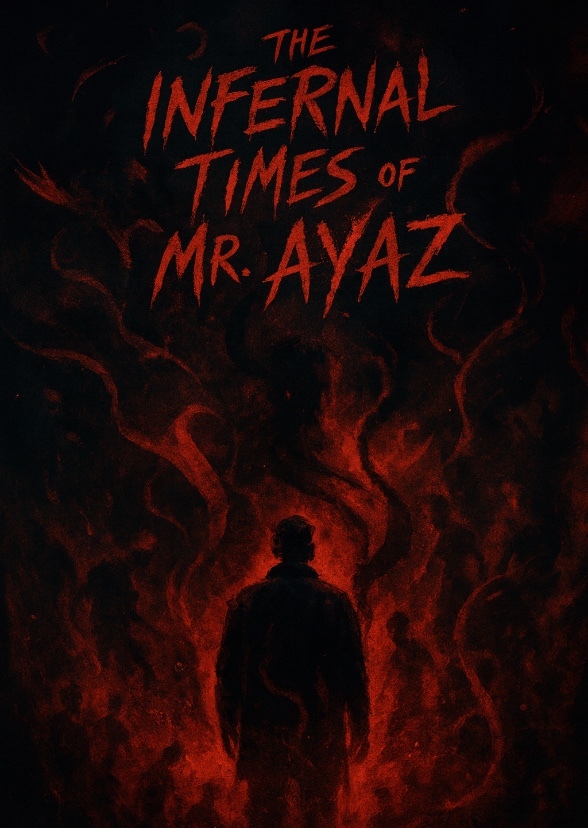
The Infernal Times of Mr. Ayaz
Set in a brutal imperial court where power is measured in blood, The Infernal Times of Mr. Ayaz follows the haunting confession of Ayaz, a young servant bound to Sultan Mahmud. The story opens with a public execution—an act of savage spectacle that exposes the cruelty ruling the land. As Ayaz recalls the dismemberment of a man named Mansour, his memories begin to unravel a deeper truth about his own life. Through fragmented flashbacks, Ayaz recounts the disappearance and death of his family: a murdered father, brothers hunted by the regime, and the tragic fate of his gentle brother Samad. Inside the palace, he carries a forbidden love for Kimia, a young woman forced to flee after a dangerous secret is revealed. Drawn back into the world outside the palace walls, Ayaz joins his surviving brothers on a desperate search for Samad — a journey that confronts him with the stark contrast between their struggle for freedom and his own entanglement in the court’s violence. Torn between blood ties and the oppressive sanctuary of the palace, Ayaz must face the truth of who he has become — and the dark bond that ties him irrevocably to the sultan.
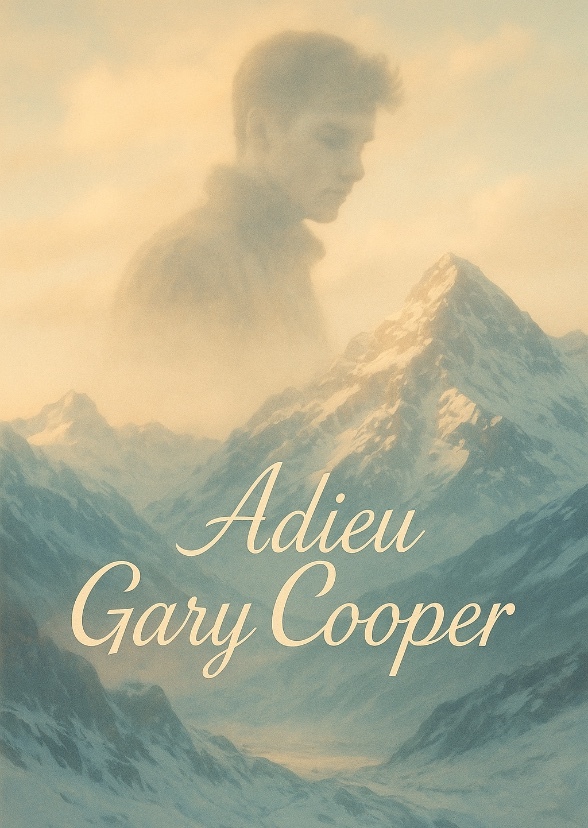
Adieu Gary Cooper
Set against the vast, icy silence of the Swiss Alps, Adieu Gary Cooper follows Lenny, a restless young American who has walked away from the world he was born into. Drawn to the mountains for their purity and danger, he seeks a life stripped of expectations, politics, and the noise of the modern age. Lenny’s retreat is shaken when he meets Jess Donahue, the sharp-witted daughter of a U.S. diplomat. Their unlikely connection pulls him into a circle of wanderers—outsiders and idealists who escape to the heights hoping to outrun their own shadows. But the mountains are not simply a refuge; they are a mirror. As Lenny is forced to confront where he comes from and what he’s running toward, the snowy peaks begin to close in around him, revealing the thin line between freedom and isolation. A story of youth, rebellion, and quiet longing, Adieu Gary Cooper explores what happens when a generation searching for meaning climbs as high as it can go—only to find that the air grows thinner with every step.
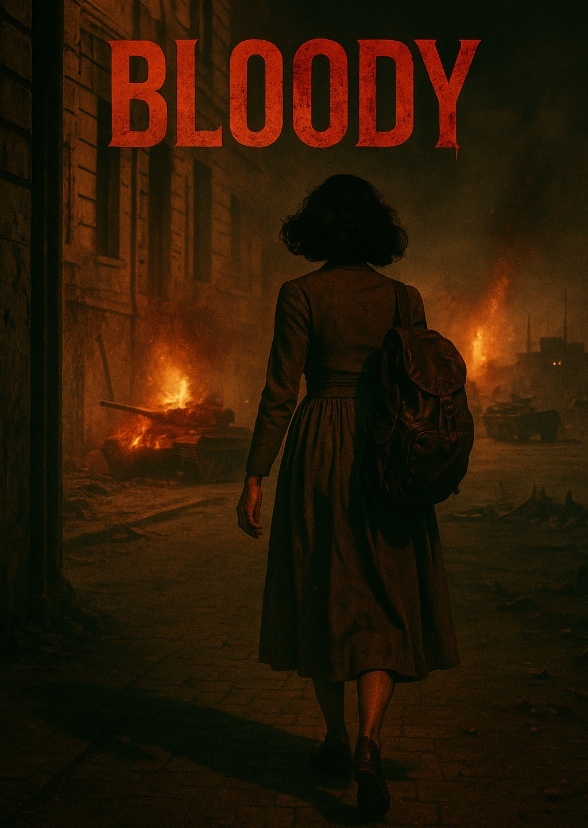
Bloody
In a city haunted by loss and unfinished stories, Mohsen Meftah, a young man struggling to fund his studies in Beirut, takes over his late father’s unusual job: performing prayers on behalf of the dead. His routine visits to the cemetery lead him to the graves of five brothers, known as the Sukhteh siblings—men scattered across Mashhad, Tehran, Abadan, and war-torn Beirut, each claimed by a different shadow of history. As Mohsen begins to trace the fragments of their lives, he is pulled into a world where personal tragedy, political upheaval, forbidden love, and forgotten wars collide. Through his eyes, their stories unfold like a tapestry of the Iran–Iraq War era, the violent streets of the 1980s, and the chaos beyond the country’s borders. Ghosts—both real and metaphorical—emerge, blurring the line between past and present, truth and memory. What begins as a simple act of duty becomes a journey into the heart of a fractured generation. Mohsen must confront not only the brothers’ lost paths but the forces that shaped an entire society—forces that refuse to stay buried. “Bloody” is a haunting, atmospheric drama about five lives extinguished too soon, and the young man determined to understand why.
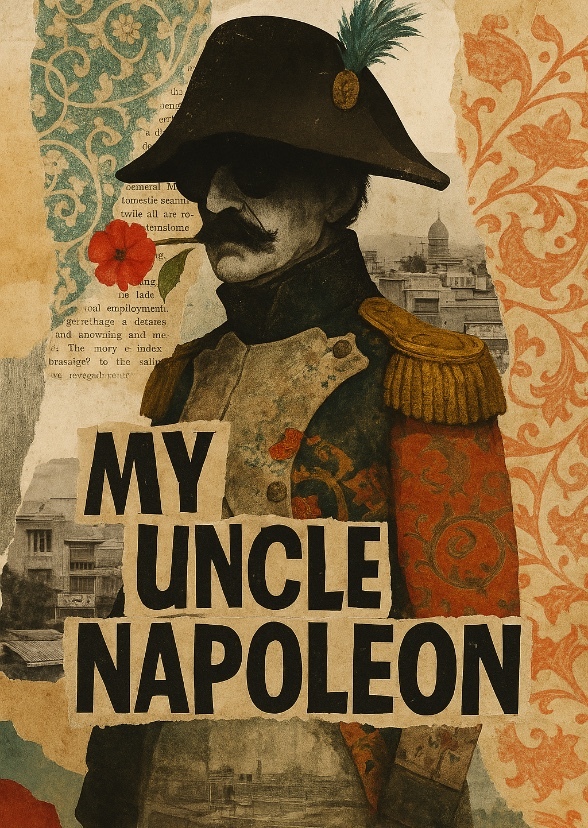
My Uncle Napoleon
In 1940s Tehran, young Saeed falls hopelessly in love with his cousin Leili, the daughter of his paranoid uncle, Colonel Daei Jan Napoleon — a man obsessed with the idea that the British are behind every misfortune. As Saeed struggles to win Leili’s heart amid a web of family feuds, absurd scandals, and mistaken conspiracies, the household spirals into chaos. What begins as a love story turns into a biting satire of pride, paranoia, and the crumbling illusions of an aristocratic family convinced that the whole world is plotting against them.
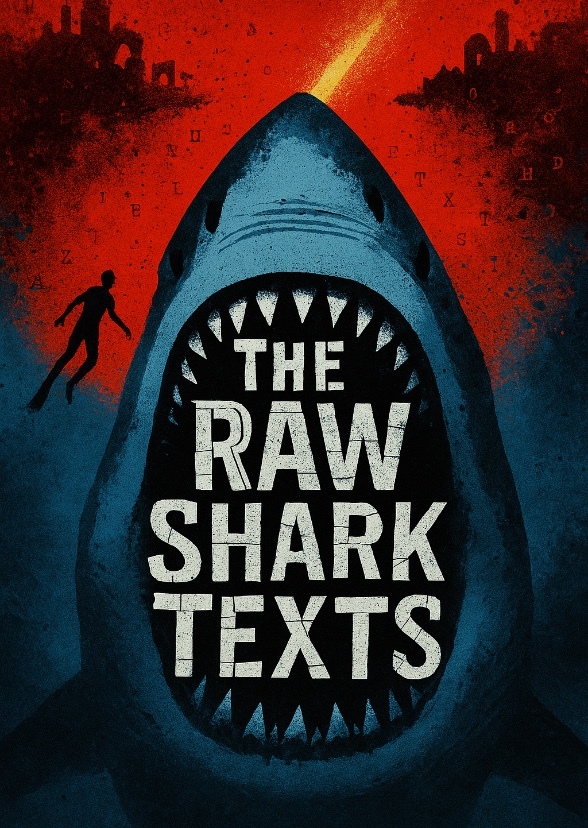
The Raw Shark Texts
After waking up in a house he doesn’t recognize, Eric Sanderson discovers he has no memory of who he is or how he got there. Letters addressed to him from a “previous version” of himself begin to arrive, warning of an invisible predator that feeds not on flesh, but on thoughts and identity. As Eric follows the cryptic trail of clues across England, he becomes entangled in a world where memory, language, and reality blur together — a place where ideas have weight, and forgotten emotions can take physical form. Haunted by the ghost of a lost love and hunted by something that shouldn’t exist, Eric must piece together the truth about his past before it’s completely erased. A mix of psychological thriller, metaphysical mystery, and emotional odyssey, The Raw Shark Texts explores the limits of memory, the fragility of identity, and the terrifying hunger of the things we can’t see.
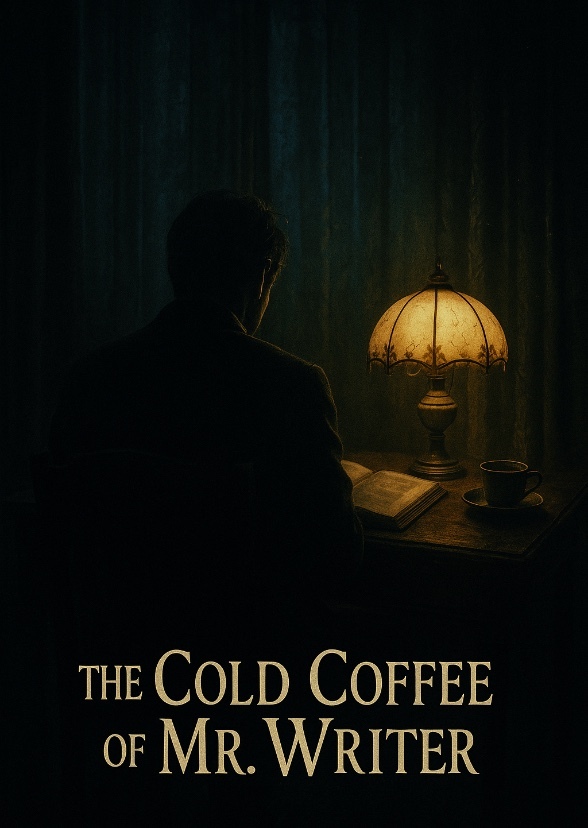
The Cold Coffee of Mr. Writer
A young writer named Arman Roozbeh wakes one morning with a memory he thought long buried, of loving a girl fifteen years his senior. That memory—an odd, delicate affair born of childhood obsession—pulls him into a maze of guilt and longing. Two decades later, Arman is successful but haunted: a single musical piece, once playful sabotage in his youth, resurfaces on stage and brings everything crashing into view. Simultaneously, Maral, a sharp-witted journalist and Arman’s former love, grapples with his sudden disappearance and the cryptic letters he sends. As she tracks the truth, Arman plunges into the surreal corridors of a psychiatric hospital, where reality frays and identities double-back on themselves. As past and present collide, the writer must decide whether to confront his secret sabotage, the ambiguous love he once felt, and the person he has become. In the chill of unanswered questions, their lives converge over a cup of cold coffee that holds more meaning than either of them ever expected.
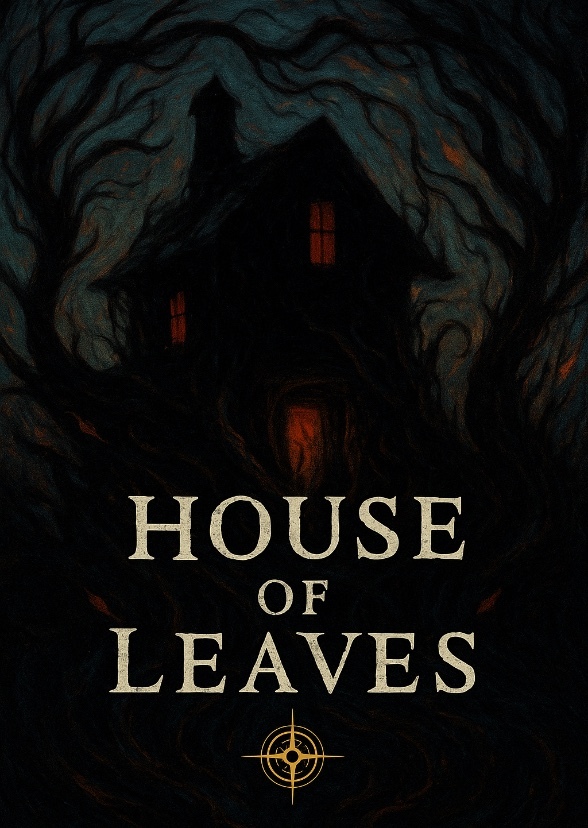
House of Leaves
When Pulitzer-winning photojournalist Will Navidson moves his family into a quiet Virginia farmhouse, he hopes for a return to normal life. But soon, an impossible discovery shatters that peace — the house is larger on the inside than it is on the outside. Curiosity turns to obsession as Navidson begins documenting the house’s shifting corridors and endless, cold darkness. The deeper he ventures, the more reality bends: walls breathe, gravity folds, and time dissolves. Parallel to this footage, Johnny Truant, a young man drifting through Los Angeles, stumbles upon the unfinished manuscript of an old, blind scholar named Zampanò — a detailed analysis of Navidson’s impossible film. As Johnny deciphers the text, his own grip on sanity unravels; the house seems to follow him, whispering through every page. Two men, decades apart, become bound by the same labyrinth — one made of brick and shadow, the other of words and fear. Inside both, the same question waits at the end of every corridor: What happens when the space you live in begins to consume you?
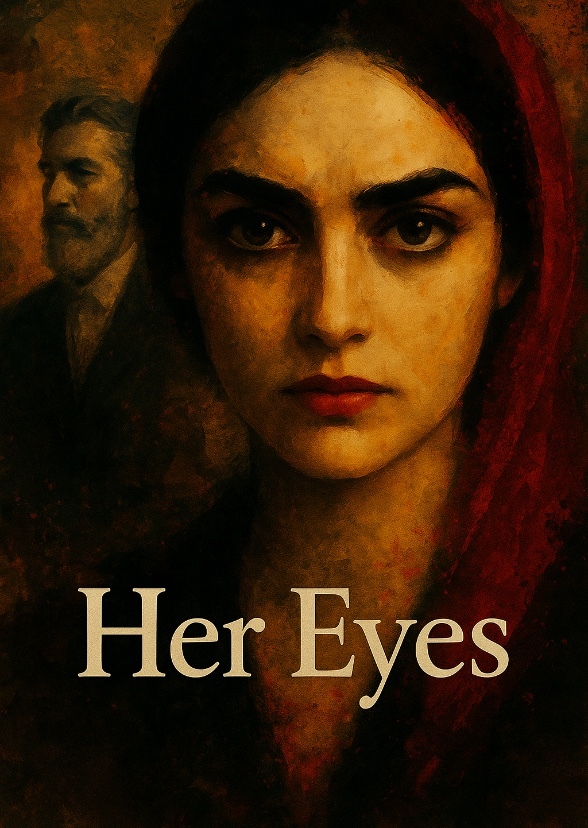
Her Eyes
After the mysterious death of Master Makan, a celebrated painter and political exile, a haunting portrait titled Her Eyes captures the nation’s attention — the image of a woman whose gaze holds untold stories. Years later, a school director obsessed with uncovering the truth seeks to find the real woman behind those eyes. When she finally appears — Farangis, once a privileged young woman turned disillusioned artist — her confession reveals a forbidden bond between passion, art, and rebellion in a time of tyranny. Through her memories, the painting’s silent eyes begin to speak of love, sacrifice, and the cost of freedom.
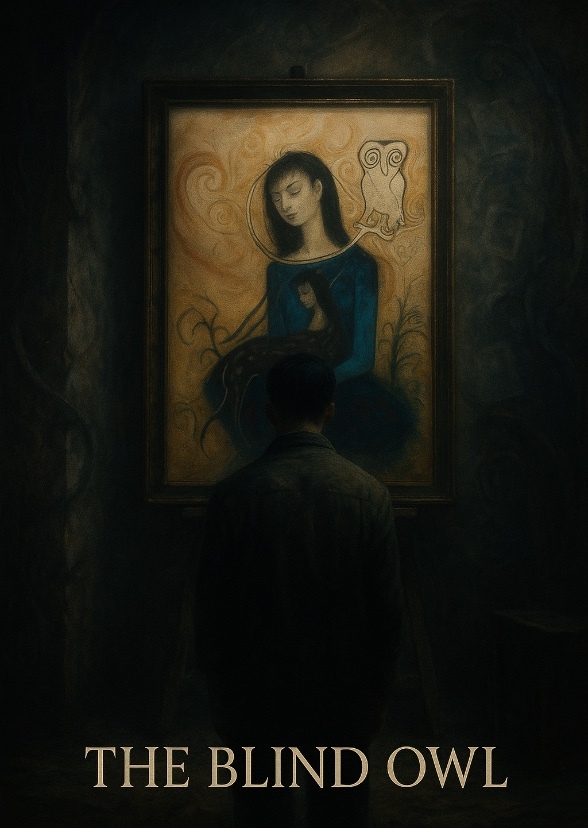
The Blind Owl
Alone in a decaying house on the edge of the desert, Nader, a tormented painter, drifts between dream and delirium. Haunted by the image of a mysterious woman and a shadowy old man beneath a cypress tree, he becomes trapped in a cycle of obsession, guilt, and hallucination. As opium-fueled visions blur the line between past and present, love and death, Nader’s grip on reality begins to crumble. The world around him — filled with grotesque faces, fleeting beauty, and unbearable silence — becomes a mirror of his own fractured soul.