

Stories by @modern_remaker
4 stories
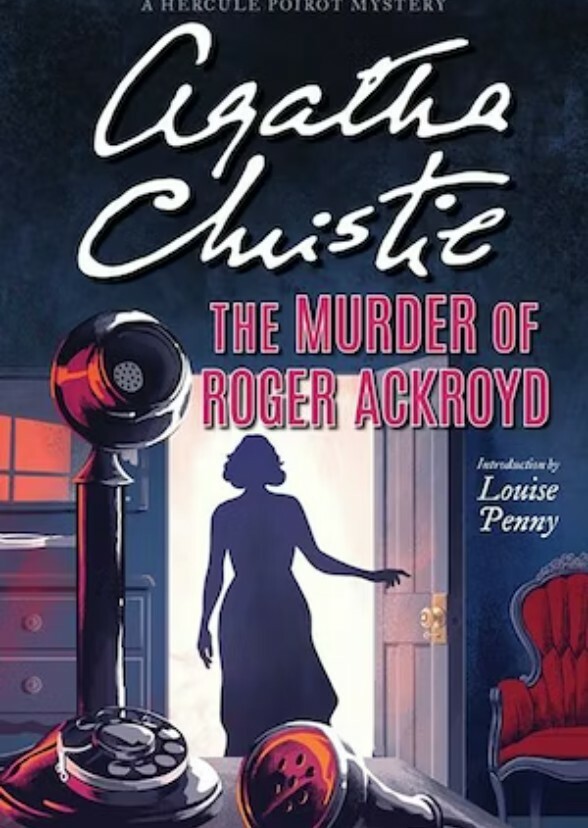
Hercule Poirot And The Murder Of Roger Ackroyd
Dr James Sheppard, a doctor living in King's Abbot, England, is called to certify the death of a wealthy widow, Mrs. Ferrars, who committed suicide a year after her abusive husband's death. Sheppard is invited to dinner by Roger Ackroyd, a wealthy widower and owner of Fernly Park. The dinner guests include Major Blunt, Ackroyd's sister-in-law, Flora, and Ackroyd's personal secretary, Geoffrey Raymond. Ackroyd admits to poisoning Mrs. Ferrars and promises to reveal the blackmailer's name within 24 hours. Ackroyd's butler, Parker, enters with a letter from Mrs. Ferrars, which she had posted just before she killed herself. Ackroyd's butler, Parker, arrives and finds Ackroyd dead in his chair, killed with his own dagger. Ralph Paton, Ackroyd's stepson, disappears and becomes the primary suspect. Flora, convinced that Ralph is innocent, asks detective Hercule Poirot to investigate. Poirot questions the guests and staff, including the parlourmaid, Ursula Bourne, who has no alibi. Poirot unravels a complex web of intrigue and presents Ralph Paton, who was secretly married to Ursula when Ackroyd decided to marry Flora. Flora admits she never saw her uncle after dinner, leaving Raymond and Blunt as the last people to hear Ackroyd alive. Poirot reveals that Dr. Sheppard is the blackmailer and Ackroyd's killer, having stabbed Ackroyd before leaving the study.

Hercule Poirot And The Murder On The Links
Hercule Poirot and Captain Hastings travel to Merlinville-sur-Mer, France, to meet Paul Renauld. Renauld is found dead, stabbed in the back with a knife, and left in a newly dug grave. His wife, Eloise Renauld, claims masked men broke into her villa and took her husband away. Monsieur Giraud leads the police investigation, resenting Poirot's involvement. Poirot notes four key facts about the case: a piece of lead piping near the body, only three female servants in the villa, an unknown person visiting the day before, and Renauld's immediate neighbor, Madame Daubreuil, placing 200,000 francs into her bank account over recent weeks. Poirot discovers that the case is nearly identical to one from 22 years ago, where Georges Conneau and Madame Beroldy conspired to kill Madame Beroldy's husband. He travels to Paris to discover more about the Conneau murder and discovers that the real killer was Marthe Daubreuil. Renauld's situation worsens when Jack becomes attracted to her daughter, and he sees an opportunity to stage his own death and escape Mme Daubreuil. To expose Marthe as the killer, Poirot asks Eloise to openly state she will disinherit Jack. Marthe attempts to kill Eloise but dies in a struggle with Hastings's Cinderella. Marthe's mother disappears again, and Jack and his mother plan to go to South America, joined by Hastings and Cinderella, who is revealed as Bella Duveen's twin sister Dulcie.
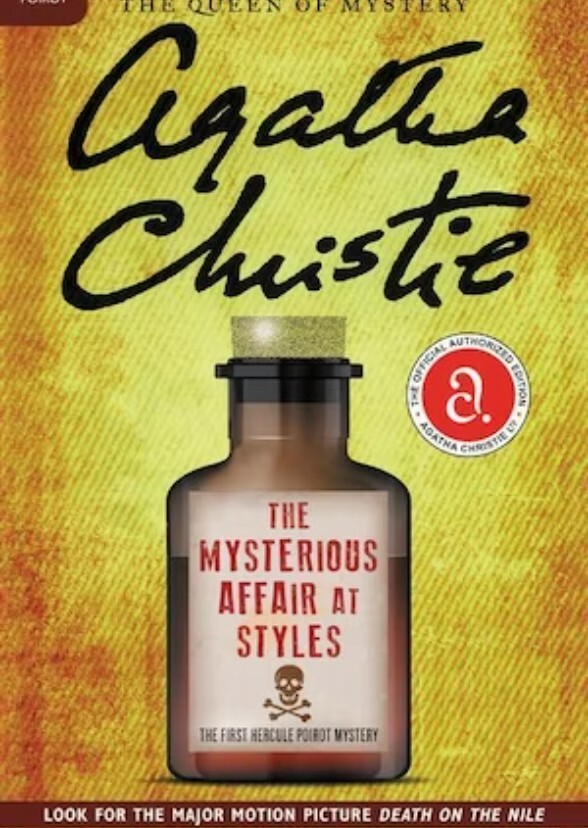
Hercule Poirot And The Mysterious Affair At Styles
Arthur Hastings, on sick leave during WWI, discovers Emily Inglethorp, the wealthy owner of Styles Court, has died from strychnine poisoning. Hercule Poirot, a friend of Emily's, helps investigate the case. Emily's husband, Alfred, inherits the manor property, but her fortune is distributed according to her own will. On the day of the murder, Emily had a dispute with someone suspected to be either Alfred or John. Alfred left the manor early, and Emily's body was found. Inspector Japp suspects Alfred, but Poirot argues that Alfred's behavior is suspicious and he cannot have purchased the poison. John is arrested, and Poirot's investigations reveal that Alfred committed the murder with Evelyn Howard's help. They added bromide to Emily's medicine, making the final dose lethal. They framed John as part of their plan, and evidence against him was fabricated. Poirot prevents Japp from arresting Alfred because he saw Alfred wanted to be arrested.
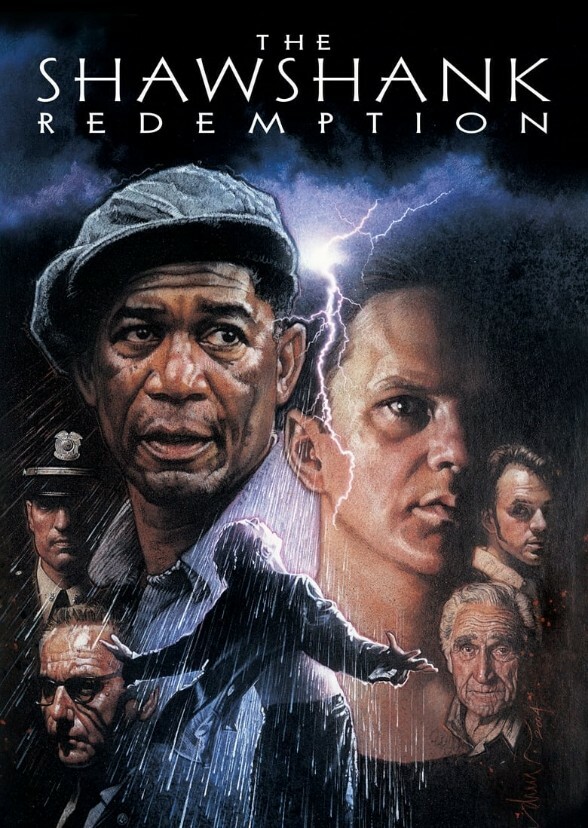
The Shawshank Redemption (2024)
Over the course of several years, two convicts form a friendship, seeking consolation and, eventually, redemption through basic compassion.