

Stories by @milanthaitlach933043
20 stories
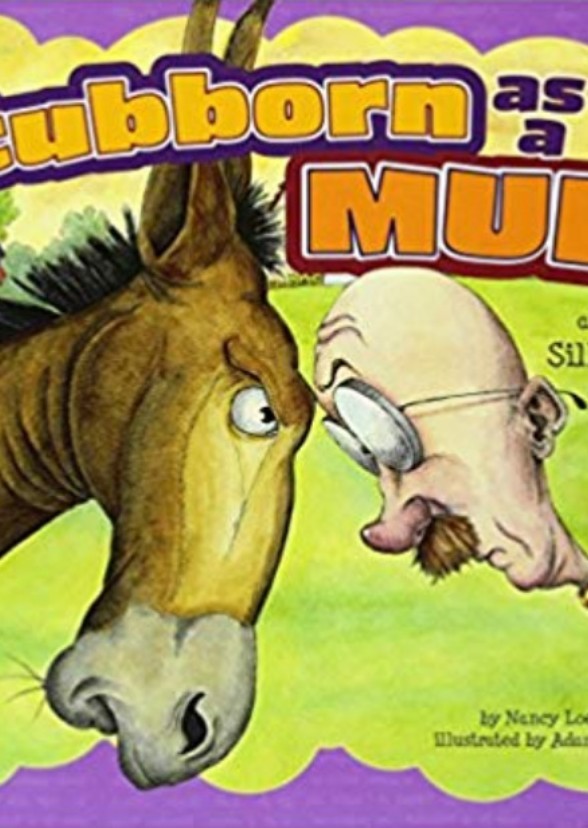
Stubborn as a Mule and Other Silly Similes (Ways to Say It)
Are you silly as a goose? Do you laugh like a hyena? Like a monkey? Like a moose? In this introduction to grammar fundamentals, young learners discover the silly world of similes, a figure of speech that compares two things. With laugh-out-loud illustrations and clever, quirky text, this nonfiction picture books young grammarians and the children of language lovers.
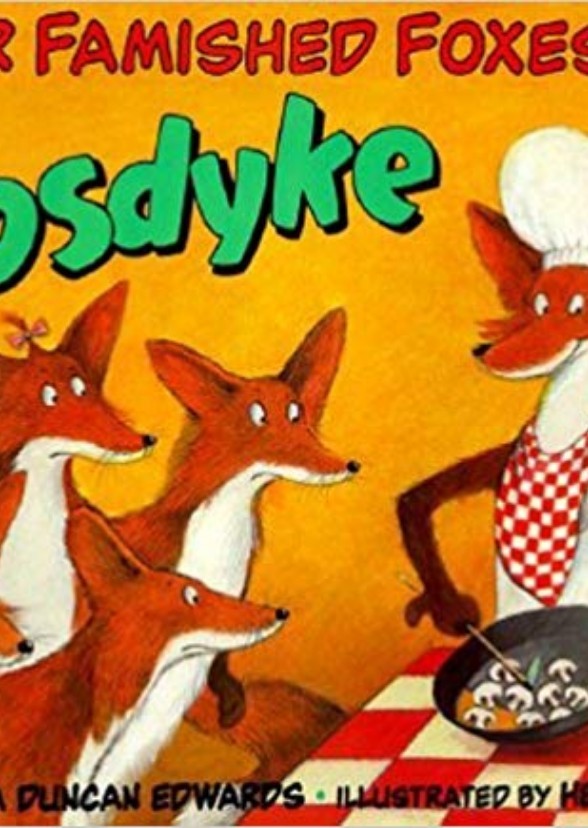
Four Famished Foxes and Fosdyke
Four famished foxes make fun of their brother Fosdyke, who feels fondly for fried figs, fennel, and French bread. Leaving him behind to fry and flambé, they go foraging for fowl in a forbidden farmyard. Unfortunately, the foxes find the fowl forwarned. Foiled, they return to their den. Will they ever filch a fabulous farmyard feast? Or will they forgo fowl and finally admit that "a fox is a fox whatever the food"?
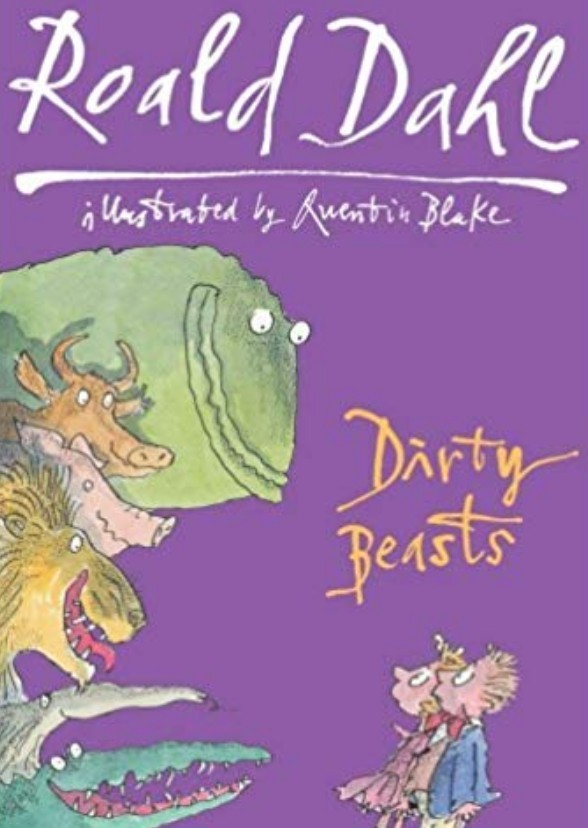
Dirty Beasts
Dirty Beasts is a 1983 collection of Roald Dahl poems about unsuspecting animals. Intended as a follow-up to Revolting Rhymes, the original Jonathan Cape edition was illustrated by Rosemary Faucet. In 1984, a revised edition was published with illustrations by Quentin Blake.
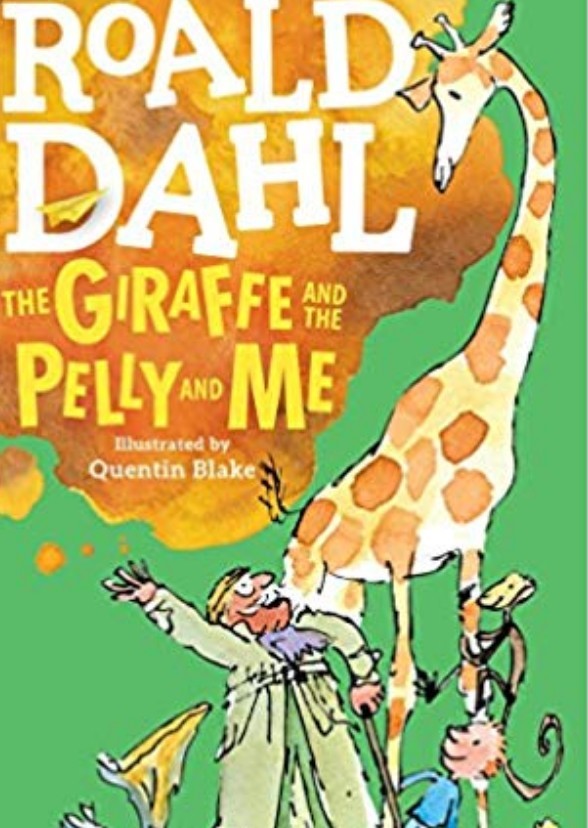
The Giraffe and the Pelly and Me
The Giraffe and the Pelly and Me is a 1985 children's book written by Roald Dahl and illustrated by Quentin Blake. It is about a young boy, Billy, who meets a giraffe, pelican and monkey who work as window cleaners.
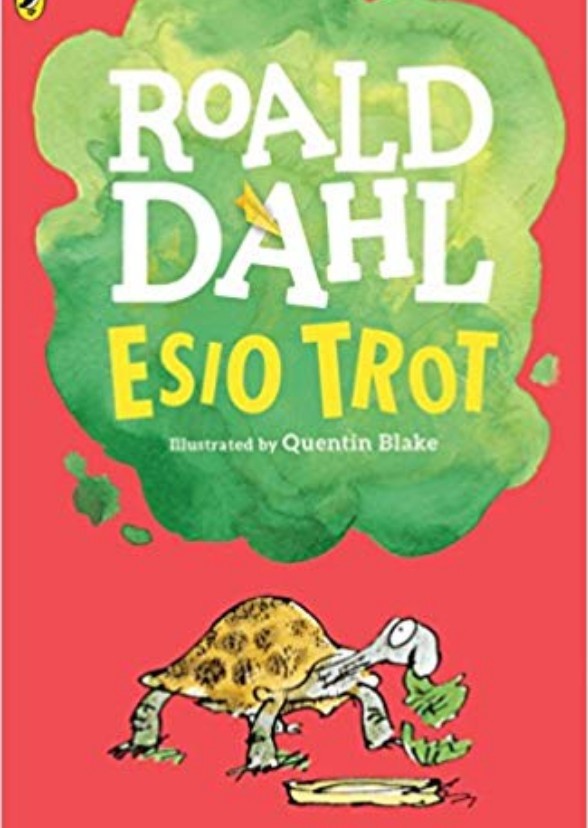
Esio Trot
Esio Trot is a children's novel written by British author Roald Dahl and illustrated by Quentin Blake, published in 1990.
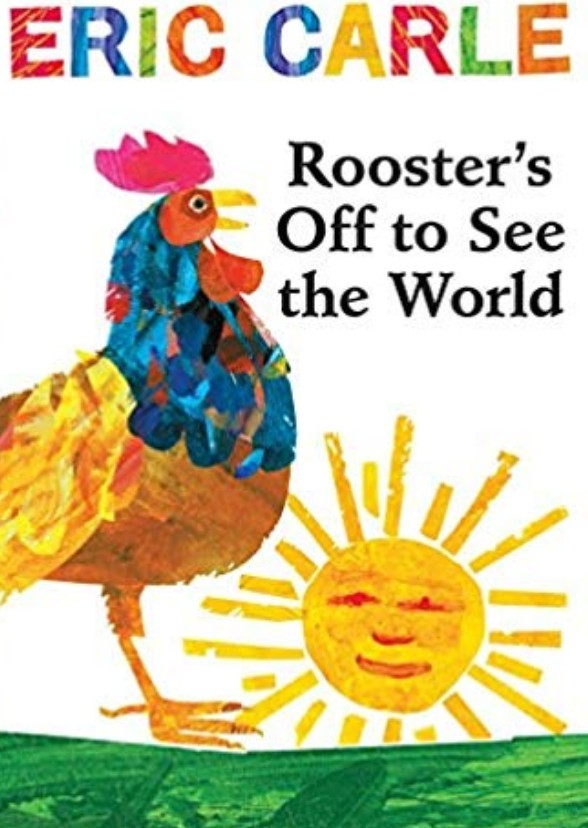
Rooster's Off to See the World
A clear visual representation of addition and subtraction. The rooster is joined by two cats, three frogs, four turtles, and five fish and then each group goes home again.
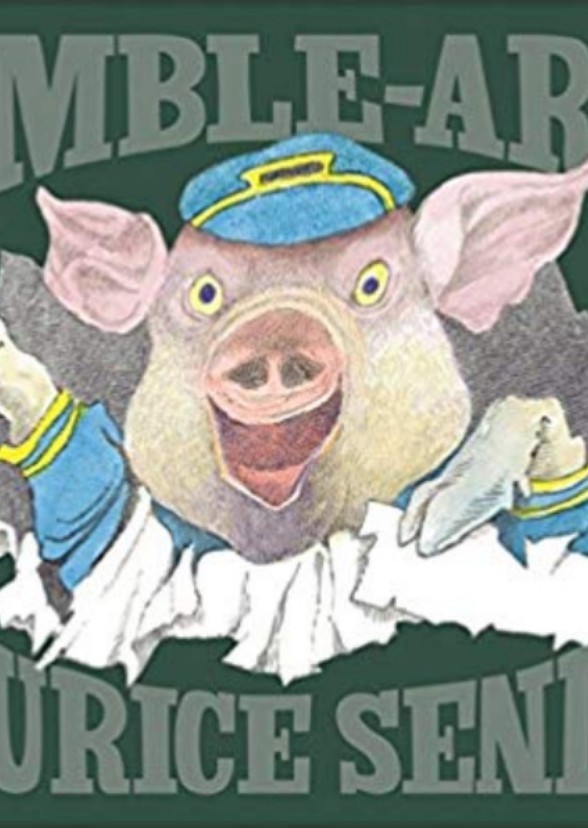
Bumble Ardy
Bumble-Ardy has evolved from an animated segment for Sesame Street that aired in the early 1970s to a glorious picture book about a mischievous pig who has reached the age of nine without ever having had a birthday party.
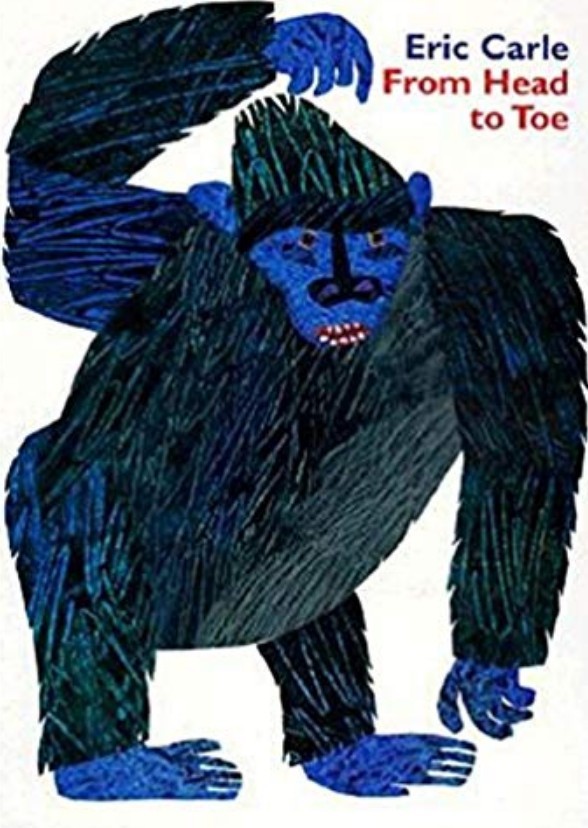
From Head to Toe
A lively and fresh interactive introduction to the basic body parts and movements. Gorillas, elephants, camels and other animals invite all young readers to clap, stomp, wriggle and bend like they do.
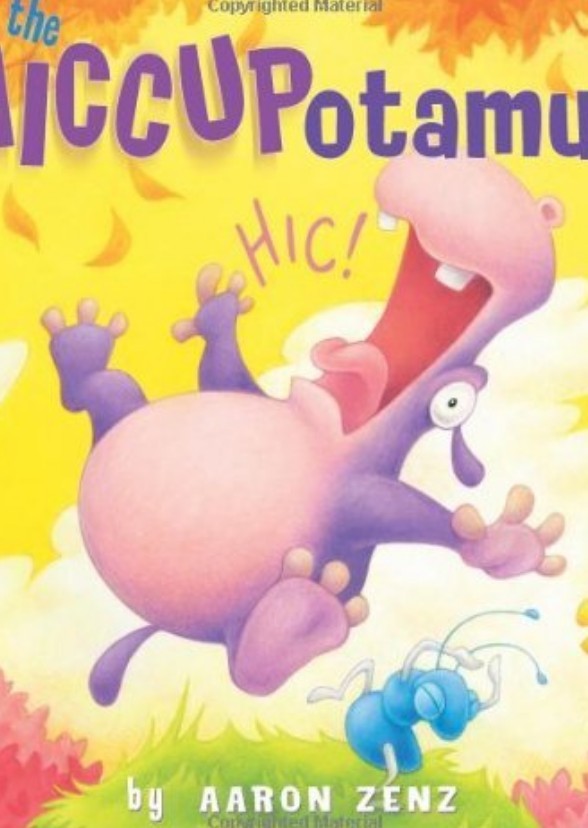
The Hiccupotamus
"There was a hippopotamus Who hiccupped quite-a-lotamus. And every tmie he got'emus ... He'd fall upon his bottomus." Calamity ensues when an elephant, a centipede, and a rhinoceros try finding a cure for hippo's colossal case of hiccups.
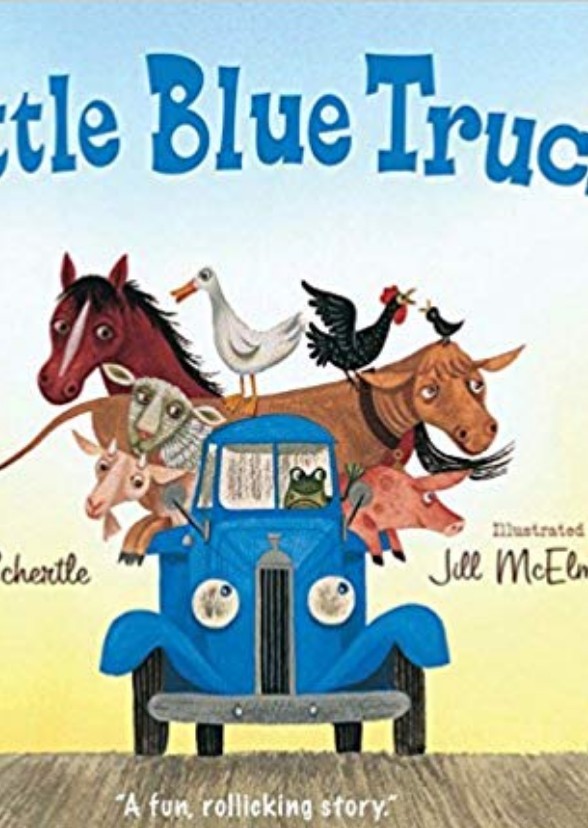
Little Blue Truck
Beep! Beep! Beep! Meet Blue. A muddy country road is no match for this little pick up--that is, until he gets stuck while pushing a dump truck out of the muck. Luckily, Blue has made a pack of farm animal friends along his route. And they're willing to do whatever it takes to get their pal back on the road. With a text full of truck sounds and animal noises to read aloud, here is a rollicking homage to the power of friendship and the rewards of helping others.
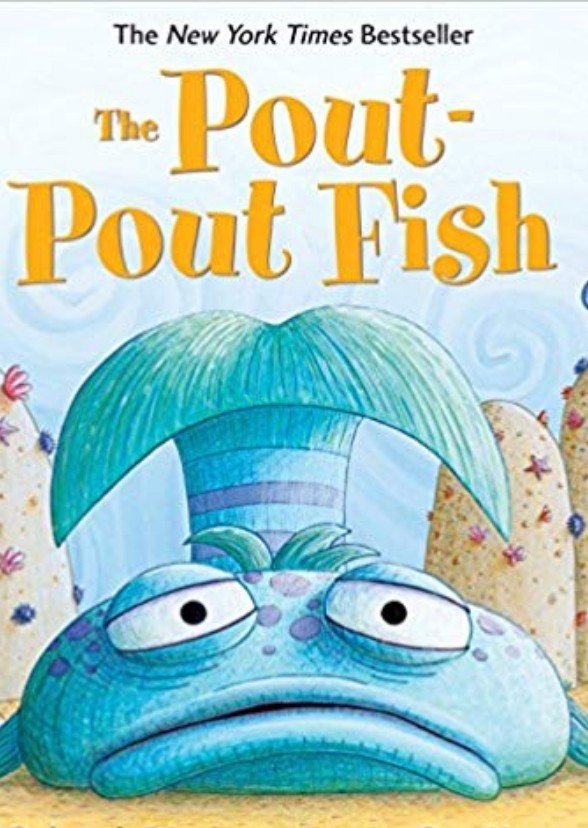
The Pout-Pout Fish
Deep in the water, Mr. Fish swims about With his fish face stuck In a permanent pout. Can his pals cheer him up? Will his pout ever end? Is there something he can learn From an unexpected friend? Swim along with the pout-pout fish as he discovers that being glum and spreading "dreary wearies" isn't really his destiny. Bright ocean colors and playful rhyme come together in Deborah Diesen's fun fish story that's sure to turn even the poutiest of frowns upside down.
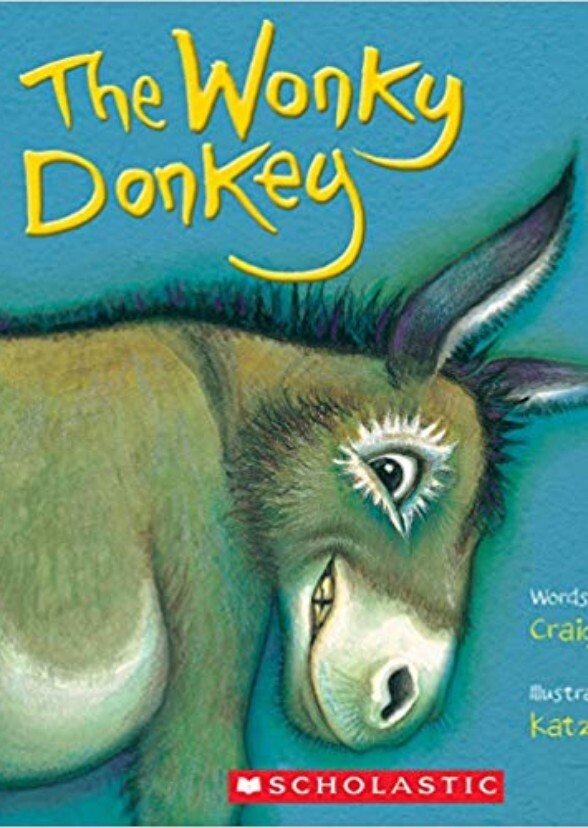
The Wonky Donkey
Kids will love this cumulative and hysterical read-aloud! "I was walking down the road and I saw . . . A donkey, Hee Haw! And he only had three legs! He was a wonky donkey." Children will be in fits of laughter with this perfect read-aloud tale of an endearing donkey. By the book's final page, readers end up with a spunky, hanky-panky, cranky, stinky, dinky, lanky, honky-tonky, winky wonky donkey!
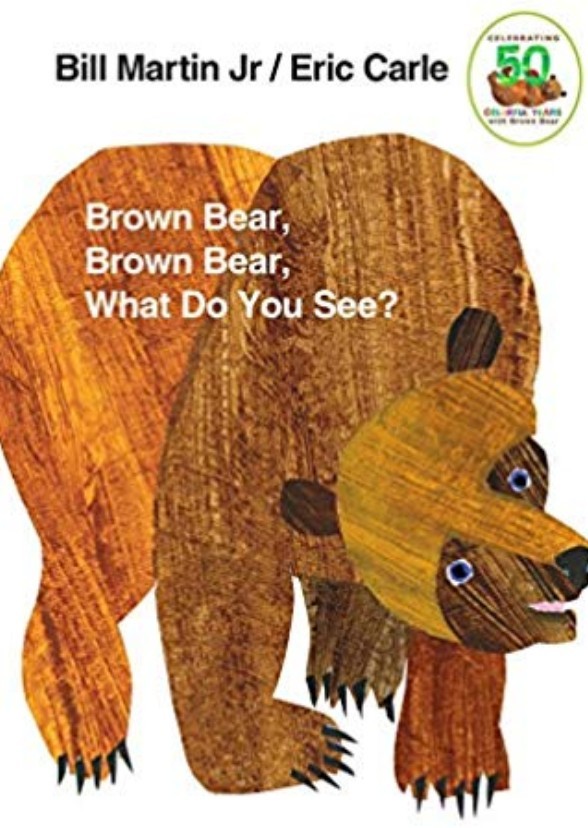
Brown Bear, Brown Bear, What Do You See?
Brown Bear, Brown Bear, What Do You See? is a children's picture book published in 1967. Written and illustrated by Bill Martin, Jr. and Eric Carle, the book is designed to help toddlers associate colors and meanings to objects.
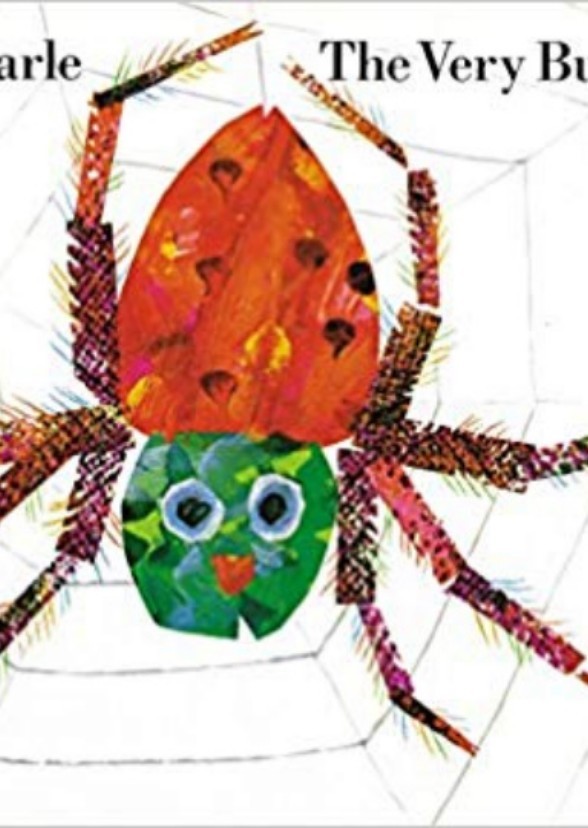
The Very Busy Spider
Alongside the visual excitement of the author's vibrant collages of familiar animals, this title offers children the tactile experience of feeling the spider's web as it grows from a simple line into a complex and beautiful creation. It is suitable for reading aloud and sharing.
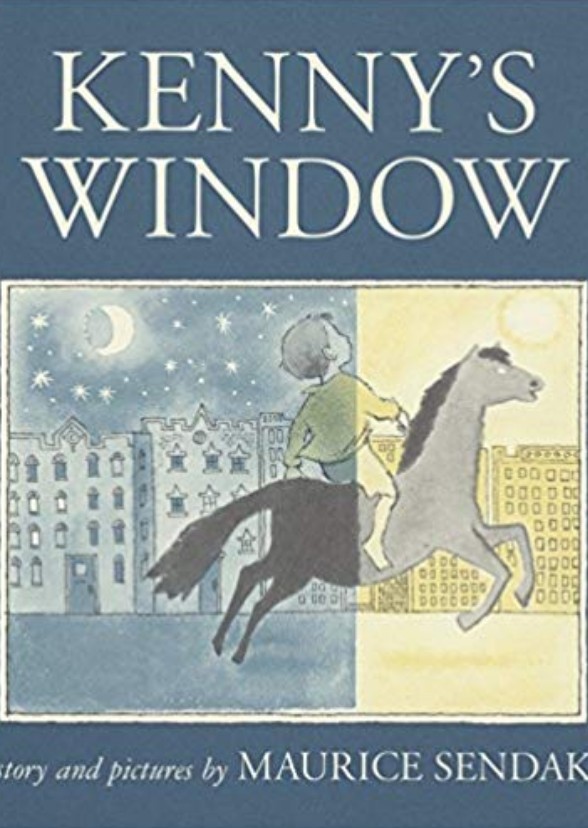
Kenny's Window
Kenny's Window is the first children’s book written and illustrated by Maurice Sendak. It tells the story of a young boy’s quest for a garden that he sees in his dream, which involves answering seven questions given to him by a four-legged rooster in that dream. His toys and stuffed animals help him along the way.
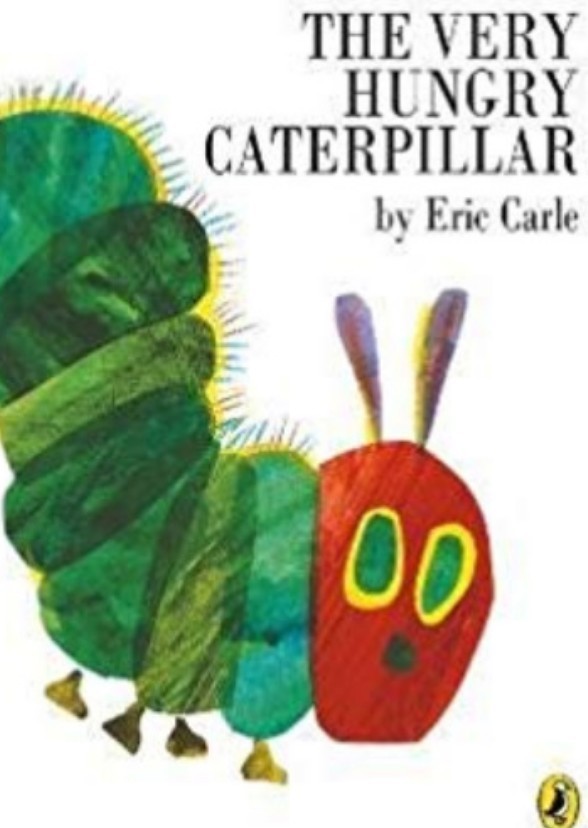
The Very Hungry Caterpillar
The Very Hungry Caterpillar is a children's picture book designed, illustrated, and written by Eric Carle, first published by the World Publishing Company in 1969, later published by Penguin Putnam.
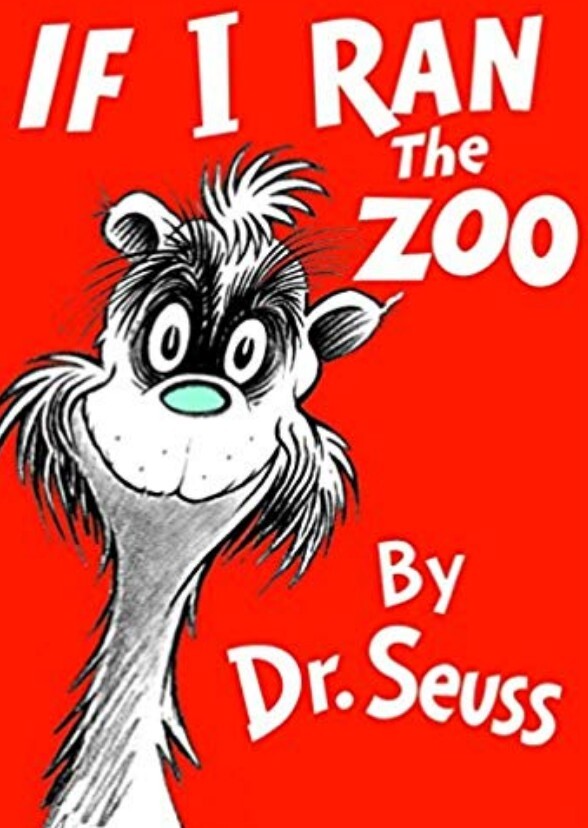
If I Ran the Zoo
If I Ran the Zoo is a children's book written by Dr. Seuss in 1950. The book is written in anapestic tetrameter, Seuss's usual verse type, and illustrated in Seuss's pen-and-ink style. It tells the story of a child named Gerald McGrew who, when visiting a zoo, finds that the exotic animals are "not good enough".
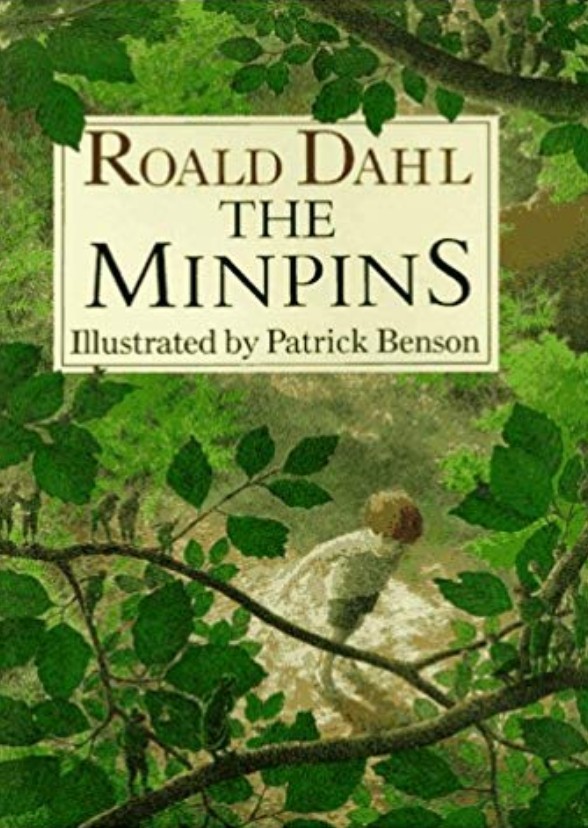
The Minpins
The Minpins is a book by Roald Dahl with illustrations by Patrick Benson. It was published in 1991, a few months after Dahl's death in November 1990, and is the author's final contribution to literature after an illustrious career spanning almost half a century.
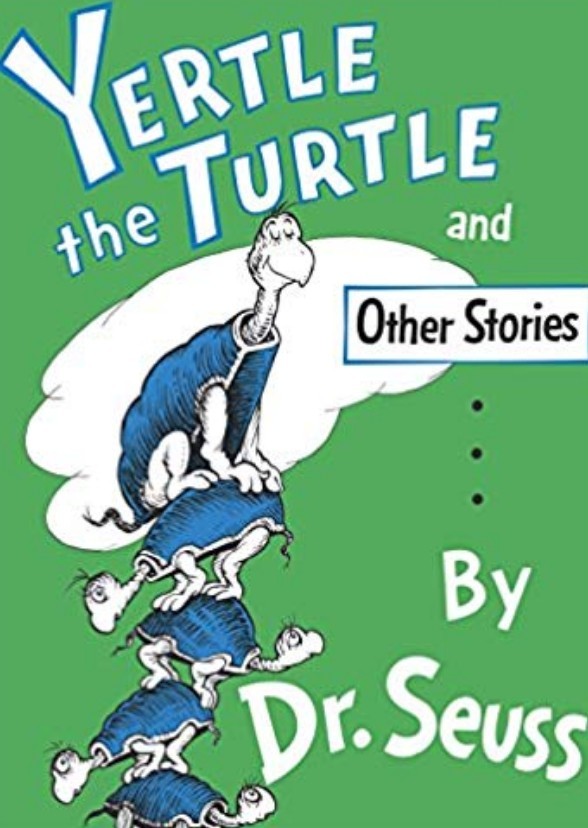
Yertle the Turtle and Other Stories
Yertle the Turtle and Other Stories is a picture book collection by Theodor Seuss Geisel, published under his more commonly known pseudonym of Dr. Seuss. It was first released by Random House Books on April 12, 1958, and is written in Seuss's trademark style, using a type of meter called anapestic tetrameter.
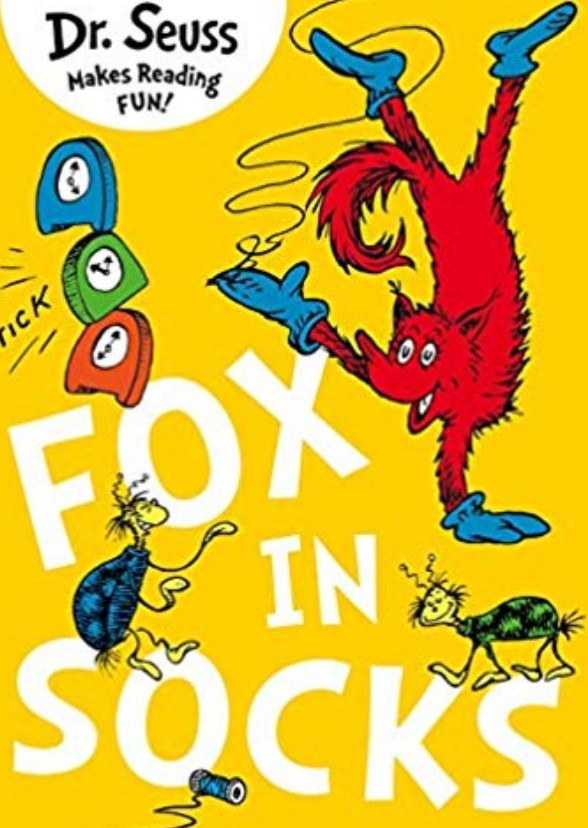
Fox in Socks
Fox in Socks is a children's book by Dr. Seuss, first published in 1965. It features two main characters, Fox who speaks almost entirely in densely rhyming tongue-twisters and Knox who has a hard time following up Fox's tongue-twisters until the end.