

Stories by @kamsismith
1,477 stories

Mafia Soul: The Story of Three 6 Mafia
Three 6 Mafia is more than a hip-hop group; they are an iconic force that reshaped the genre, broke barriers, and became a cultural phenomenon. Mafia Soul is an unflinching, emotionally raw miniseries that dives deep into the highs and lows of the legendary trio's journey, blending music, drama, and the unforgiving realities of the streets. Set in Memphis, Tennessee, during the '90s and 2000s, the series explores how the group rose from underground beginnings to become one of the most influential rap acts ever. At its core, Mafia Soul is the story of friendship, loyalty, and survival, anchored by the relentless drive of DJ Paul, Juicy J, and Lord Infamous. The series explores their tumultuous early years, navigating Memphis’s harsh realities while crafting a unique sound that would change the face of Southern rap. Their innovative blend of horrorcore, crunk, and the darker side of hip-hop captivated millions, setting them apart from their contemporaries. Through the lens of DJ Paul and Juicy J's complex relationships with their family and each other, the series showcases their pursuit of fame, the sacrifices they made, and the emotional toll of their battles with addiction, mental health, and the pressures of success.
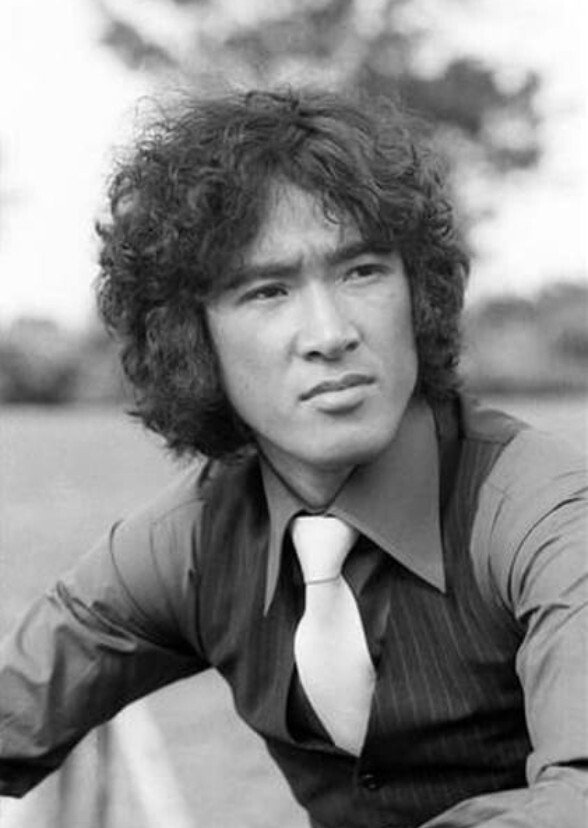
Matsuda
"A man made of fire, fighting shadows." This is the story of Yusaku Matsuda, the enigmatic icon who forever changed Japanese cinema and the meaning of stardom in Japan. Known for his magnetic, smoldering performances, Matsuda walked a fine line between reality and persona, both on and off the screen. His life, much like his most iconic roles, was a fast, uncompromising fight to live on his terms—even if it meant living as though he were a character in a noir thriller. "Matsuda" delves deep into the rise, peak, and untimely fall of this Japanese screen legend. From his breakout role in Detective Story to the cold, fierce final performance in Black Rain, each episode will immerse the viewer in Matsuda's relentless pursuit of authenticity. The series will showcase his journey from the bright lights of show business to the shadowed back alleys of self-made mythology, where Matsuda fused his gritty upbringing, his rebellious nature, and his unyielding commitment to his craft.
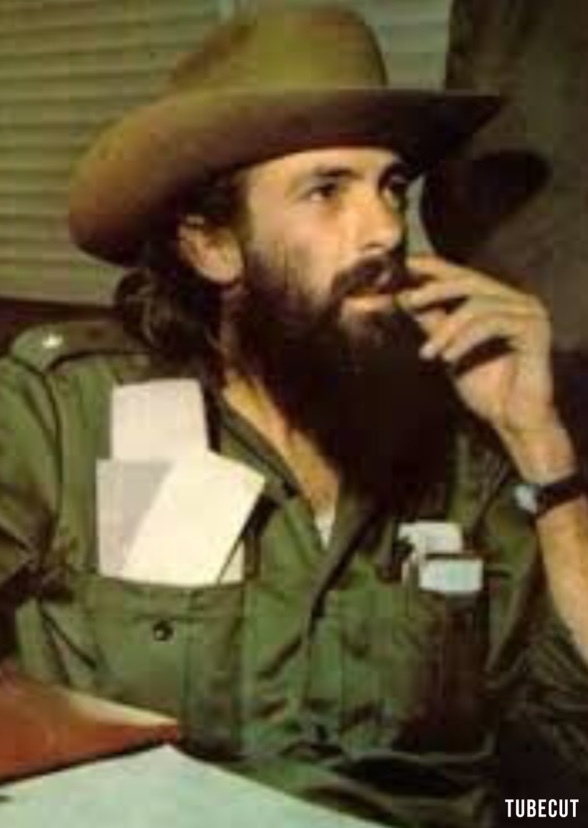
Cienfuegos
Cienfuegos is an epic biographical drama that captures the spirit, idealism, and turmoil of the Cuban Revolution through the life of Camilo Cienfuegos, the iconic yet enigmatic rebel who won the hearts of a nation. Known for his humility, humor, and unshakable devotion to justice, Camilo rose to become one of Fidel Castro’s most trusted commanders, his influence rivaled only by that of Fidel himself. But while Castro and Guevara became international icons, Cienfuegos' life remains largely unsung beyond Cuba. The story follows Camilo from his early days as a young man troubled by poverty, through his involvement in the struggle against Batista’s oppressive regime, to his legendary role in leading troops at the Battle of Yaguajay, where his strategic brilliance and unrelenting courage turned the tide of the revolution. Against the backdrop of political tensions and ethical dilemmas, the film explores Camilo’s relationships, his philosophical convictions, and the conflicts he faced as he balanced the revolution's ideals with its often brutal realities.
Blue Nocturne: The Nat Jaffe Story
"Blue Nocturne" takes audiences back to the smoky jazz clubs of 1940s New York City, where the rhythmic pulse of swing and bebop filled the air, and musical genius emerged from both the light and dark corners of the stage. This biopic delves into the tragically short but remarkable life of Nat Jaffe, a gifted jazz pianist whose music echoes a vibrant yet tumultuous era. Raised in Berlin, shaped by his family's journey to America in the shadow of pre-war Europe, Jaffe found his home in the underground jazz clubs of Harlem, where he became a powerful voice in the American jazz scene. The film follows Jaffe’s rapid rise as a pianist who brought a haunting lyricism to swing, breaking boundaries with every chord and riff. Jaffe's performances with jazz greats like Billie Holiday and his deep, yet understated influence on the evolution of jazz are vividly depicted, showing a prodigy caught between the demands of his art and the instability of a world at war. At its heart, however, "Blue Nocturne" is the story of Jaffe’s love affair with singer Shirley Lloyd, a love that thrived in jazz’s frenetic, unpredictable world. Their partnership fueled some of his most passionate work, but it also exposed the strains of a life spent chasing fame, struggling with personal demons, and facing the limitations of time.

Lydia
Set against the backdrop of the Great Depression and World War II, Lydia chronicles the rise of a young woman with a guitar, defying racial and gender norms to carve out a groundbreaking career in music. Born in Houston, Texas, to a migrant family, Lydia learns guitar from her mother. She grows up singing on street corners, working in cotton fields, and performing wherever people gather, all while facing the harsh realities of poverty and discrimination. With her soulful, unadorned voice and unique twelve-string guitar, Lydia breaks barriers to become the first Mexican-American recording star. But her path to fame is anything but easy. Through each episode, we see Lydia battle against industry prejudice, financial hardship, and societal expectations of women, while capturing the hope and struggle of an entire generation of Mexican-Americans seeking their place in a country that often denies their identity.

Ghazi: The Young Lion of Iraq
The film opens in the rugged, vast deserts of the Arabian Peninsula, where Ghazi ibn Faisal, born in Mecca, is raised in a world of tradition and upheaval. The son of the charismatic Faisal I, who won and lost the Kingdom of Syria before being crowned Iraq’s first king, Ghazi comes of age with a sense of destiny and burden. Inheriting the throne of Iraq at only 21, he dreams of a modern Arab kingdom, independent and free from British control. But the pressures on Ghazi mount rapidly. He faces fierce opposition from British advisers who try to keep Iraq under colonial influence, ambitious local leaders who question his youth, and his inner circle, which doubts his ability to lead. Amid it all, he became a folk hero to the Iraqi people, using radio broadcasts to rally national pride and openly challenge British influence in Iraq. Yet, Ghazi’s ambitions lead him into dangerous territory. As he navigates his desire to unite the Arab world with the ruthless realities of royal power, he faces betrayal, isolation, and rumors of intrigue. His young life comes to a tragic end in a mysterious car crash in 1939, leaving his dream of an independent Iraq unfulfilled but setting the stage for the nation's fierce struggle for self-determination.

La Pola
La Pola is the gripping, untold story of Policarpa "La Pola" Salavarrieta, a fearless revolutionary and the unsung heroine of Colombia's fight for independence from Spanish rule. A tailor by day and a spy by night, La Pola uses her wit, charm, and bravery to pass critical intelligence to rebel forces, risking her life to liberate her people from oppression. Set against the vivid backdrop of early 19th-century Colombia, the film immerses audiences in an era of brutal colonial rule, blending sweeping landscapes and raw, heart-stopping action with intimate moments of vulnerability, loss, and love. From the bustling streets of Bogotá to the secret underground networks of revolutionaries, La Pola portrays a woman’s daring commitment to freedom and justice. Through her mission, we witness the complexity of La Pola’s relationships — with Alejo, the passionate young soldier she loves; her brother, Bibiano, her ally and confidante; and the Spanish soldiers who underestimate her at every turn. At a time when women were expected to be silent, she spoke loudly through her fearless acts of defiance. As La Pola’s secrets unravel and the danger intensifies, she grows into a leader, embodying the strength and spirit of a nation on the brink of independence.

Masato: The Fragile Star
Masato: The Fragile Star delves into the life of celebrated Japanese actor Masato Furuoya, a man whose legacy is as complex and haunting as the roles he played. This miniseries follows his meteoric rise in Japan’s film industry, his dedication to his craft, and his struggle with inner demons that led to his tragic end. Beginning in the vibrant cinema world of the 1970s and ’80s, we witness Masato’s transformation from a fresh face in film to a respected, award-winning actor. Episodes focus on his breakout performances in Disciples of Hippocrates and Uchū no hōsoku—roles that not only earned him critical acclaim but also revealed his raw talent and dedication. Each episode takes the audience deeper into his experiences on set, exploring the joys and pressures of stardom, his pursuit of artistic perfection, and the impact of fame on his mental health. Through Masato’s relationships with family, friends, and colleagues, we see the vulnerable man behind the screen persona. His battles mirror broader cultural issues, reflecting the mental health stigma and unspoken struggles faced by many in Japan's entertainment industry.
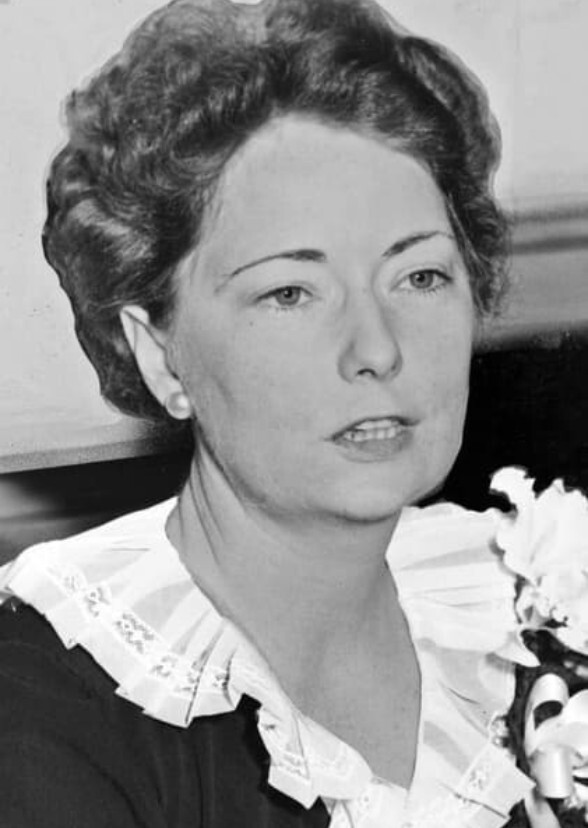
Gone Before
In this six-part miniseries, audiences are introduced to Margaret “Peggy” Mitchell, a rebellious spirit with a relentless drive for storytelling. We follow her from her childhood in Atlanta, shaped by tales of the Civil War and Reconstruction, through her years as a reporter—a rare profession for women of her era—and finally to her reclusive life after the success of Gone with the Wind. But her journey isn’t simply about literary fame; it's also a struggle for identity, autonomy, and purpose amid the seismic social and cultural shifts of the South.

The Haunting of Shirley Jackson
Shirley Jackson is known as the queen of literary horror, but her own life was as complex and darkly fascinating as her fiction. "The Haunting of Shirley Jackson" dives deep into the psyche of a woman whose own fears, desires, and eccentricities inspired a genre and left an indelible mark on American literature. Throughout four riveting episodes, this miniseries unveils the mysterious, often misunderstood, world of Shirley Jackson, played by an actress with the depth to bring her to life. Each episode centers around a significant period in Jackson’s life, weaving between her isolated New England mansion and the haunted worlds she created on paper. Through both the terrifying and mundane details of her domestic life, audiences experience her inner battles: a challenging marriage with literary critic Stanley Hyman, societal pressures to conform to the idealized 1950s suburban life, and her fraught mental health—all while she conjures ghostly, often grotesque stories that seem to mirror her own reality.
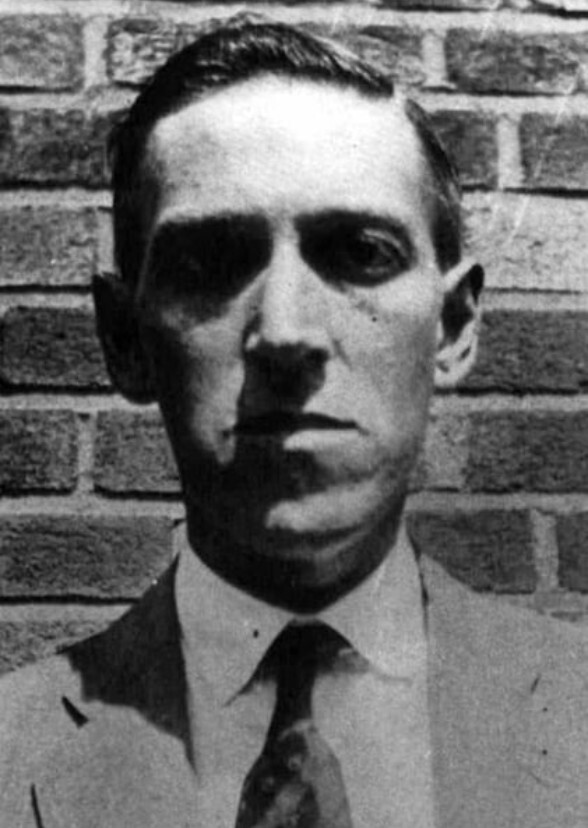
Shadow Over Providence: The H.P. Lovecraft Story
Shadow Over Providence is a psychological horror miniseries chronicling the life of H.P. Lovecraft, a man tormented by his genius and trapped between two worlds—the haunting New England of his present, and the alien realms of his mind. Set in the early 20th century, this character-driven miniseries captures Lovecraft's tumultuous life as he struggles with poverty, prejudice, and mental illness while crafting stories that would go on to define cosmic horror. Each episode follows a unique thread of Lovecraft’s life, punctuated by dramatized scenes that blur the line between reality and his haunting visions. These visions—gargantuan creatures, twisting labyrinths, and malevolent cosmic entities—become extensions of Lovecraft’s psyche as if his mind is both creating and consumed by his otherworldly horrors. From his reclusive upbringing in Providence, shaped by his mother’s mental instability and father’s institutionalization, to his doomed marriage and his fraught friendships with writers and publishers, each relationship reveals Lovecraft’s paradoxical nature: a man repulsed by the world yet desperate to leave his mark upon it. As Lovecraft’s work gains cult-like status, he wrestles with the implications of his own beliefs and their troubling manifestations in his stories. We see him torn between the growing acclaim for his tales of dread and the realization that his xenophobic fears are the true monsters he must confront.
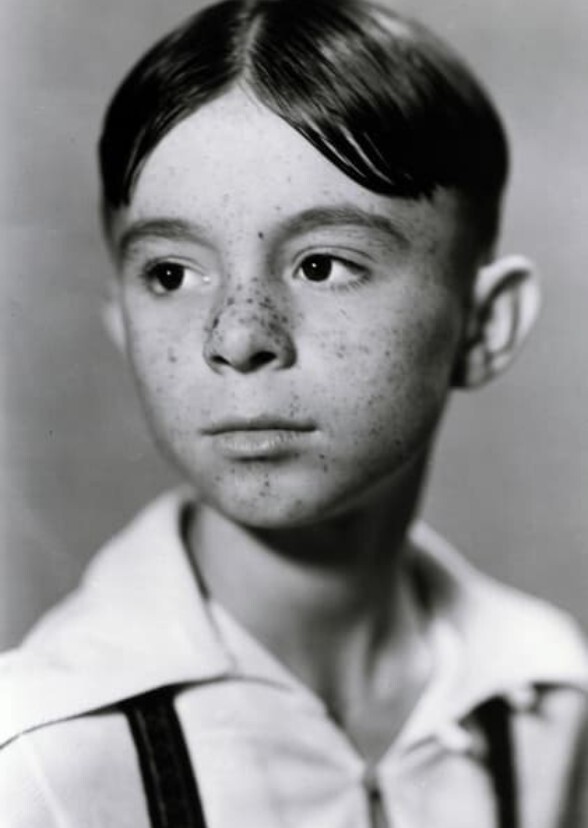
Alfalfa: The Story of Carl Switzer
In the golden age of Hollywood, one name stood out for young audiences everywhere—Carl Switzer, better known as "Alfalfa" from Our Gang (also known as The Little Rascals). "Alfalfa: The Story of Carl Switzer" dives into the complex life of the child star whose onscreen charm and signature cowlick made him an icon, but whose offscreen struggles reveal a much darker tale of early fame, ambition, and heartbreak. The film follows Carl from his small-town roots in Paris, Illinois, where he was discovered alongside his brother, to his meteoric rise in Hollywood as Alfalfa, a role that would bring him fame but ultimately trap him in a character he couldn’t shake. Behind the infectious smile was a young boy who wrestled with the pressures of an industry that didn’t know how to protect its youngest talents. As Carl grew up, he faced constant typecasting and struggled to find his place beyond Alfalfa, often forced to take small or uncredited roles to make ends meet. Desperate to reinvent himself, he became embroiled in turbulent relationships, risky endeavors, and brushes with the law.

The Soldier: The Life and Loves of Rupert Brooke
The Soldier delves into the life of Rupert Brooke, an enigmatic poet who captured the nation’s heart with his idealistic verses and classic good looks. Known for his stirring sonnet The Soldier, which framed wartime death as noble and eternal, Brooke’s journey was marked by turmoil and longing. He yearned for an idyllic England that he saw slipping away while grappling with a complex inner life—one filled with deep intellectual passions, doomed love affairs, and self-doubt. From the quiet Cambridge countryside to the vibrant artistic circles of London and the sunlit shores of the Aegean Sea, Brooke's story is as much about his journey through romance and poetry as it is a reflection of an entire generation’s disillusionment. Caught between the innocence of youth and the devastation of war, Brooke becomes both a romantic icon and a casualty of his time. The film opens with Brooke’s early days in England, where he captivates Cambridge with his wit and undeniable charisma. Amidst a series of intense friendships and romances, he is haunted by questions of identity and belonging. As tensions across Europe escalate, Brooke enlists, seeing himself as a voice for his generation—a young man eager to honor his country but conflicted by the looming violence.
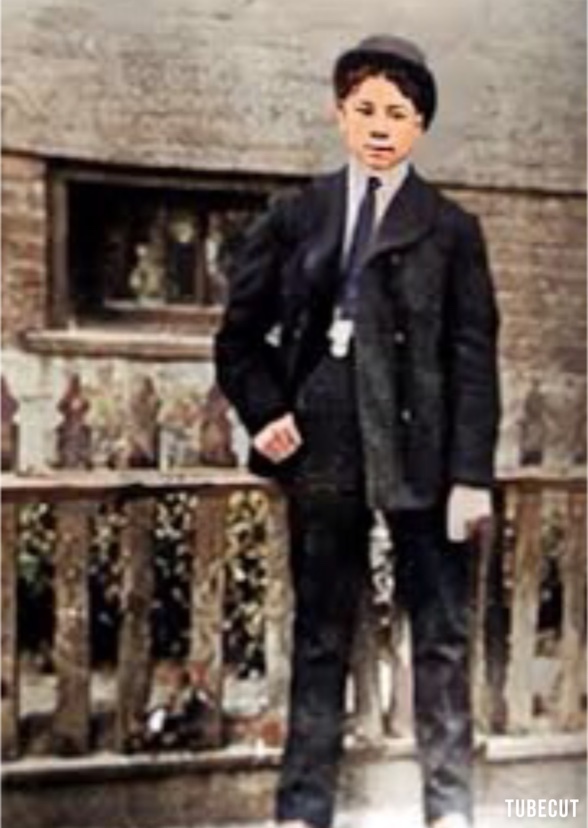
Ragtime Ghosts
Set against the electric nightlife of early 1900s St. Louis, Ragtime Ghosts dives into the short but influential life of Louis Chauvin, a young prodigy who became one of ragtime’s most talented — yet forgotten — voices. As a mixed-race pianist navigating the racially charged clubs of St. Louis, Chauvin faced discrimination, poverty, and health challenges that threatened to silence his brilliance. His natural genius and effortless improvisation would earn him the admiration of peers and audiences alike, yet fame and fortune eluded him. The film opens with Chauvin at his peak, captivating audiences with melodies that float through the streets, even as he grapples with worsening health and the unforgiving constraints of his era. Through powerful performances, viewers experience the allure of ragtime music in its earliest, most passionate form. The story is laced with iconic figures like Scott Joplin, who recognizes Chauvin's gift and fights to preserve his legacy even after Chauvin's untimely death at just 27.
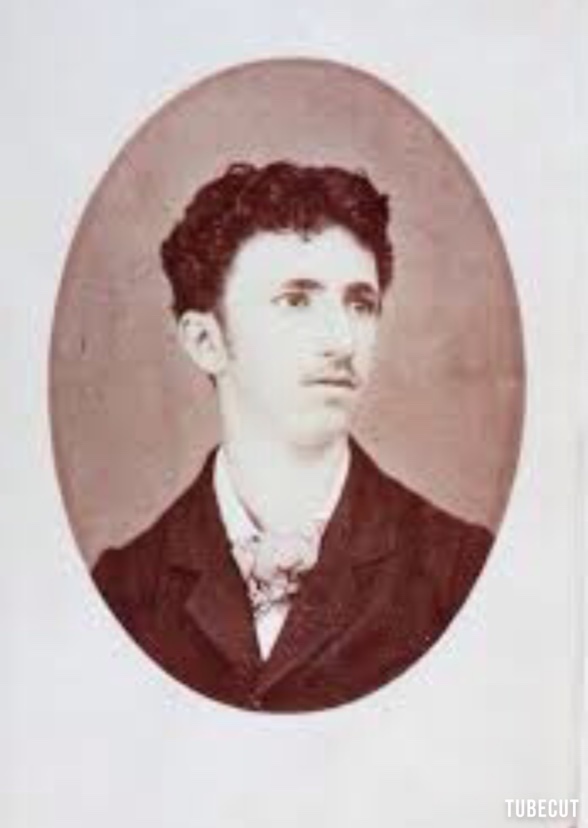
Echoes of the Soul
Echoes of the Soul tells the story of Alexandre Levy, a Brazilian composer, pianist, and conductor, whose life was cut short but whose legacy reshaped the soundscape of Brazil. The film dives into the musical evolution of Levy as he pursues an audacious dream—to blend European classical styles with the native sounds and rhythms of Brazil, crafting a distinctive, nationalistic music genre. Born into a family of European immigrants in São Paulo, Alexandre’s prodigious talent is apparent from an early age. Supported by his family but constrained by his time’s rigid European-influenced musical expectations, he yearns to express something more authentic. Inspired by the sounds of local Brazilian folk music, he begins to experiment, infusing his compositions with local rhythms and textures. Throughout the film, Alexandre faces societal skepticism, creative isolation, and internal struggles, caught between his identity as a European-trained musician and his vision of a uniquely Brazilian sound. As he gains recognition, he faces the overwhelming pressures of fame, the relentless demands of creativity, and the haunting realization that his ambition might consume him.
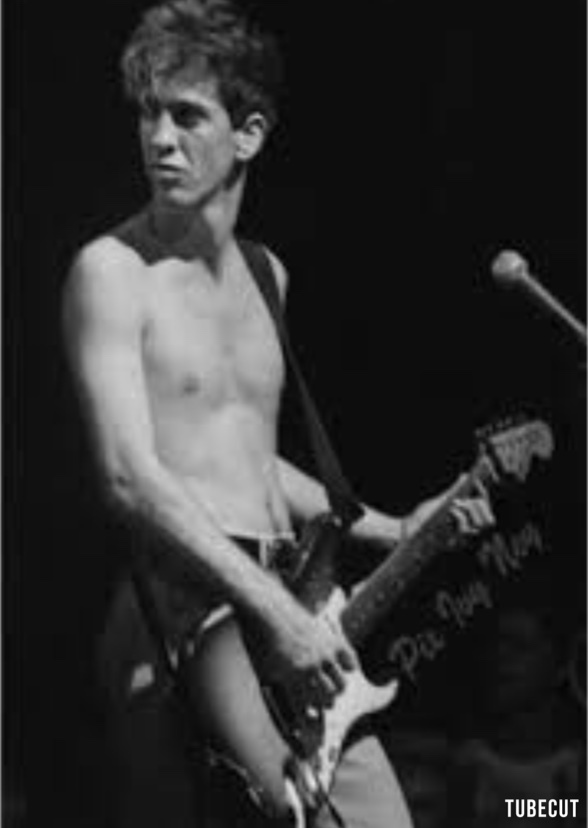
Fire on the Strings: The Hillel Slovak Story
Fire on the Strings delves into the life of Hillel Slovak, a young Israeli immigrant with a gift for music who, against the odds, co-founded one of the world’s most influential rock bands. From teenage dreams to the frenetic world of 1980s Los Angeles, the film explores Slovak’s close-knit bond with Anthony Kiedis, Flea, and Jack Irons, showing how their shared love for punk rock, funk, and hard rock would inspire a band unlike any other. Set against the vibrant yet gritty backdrop of L.A.’s underground music scene, we follow Slovak’s journey as he shapes the early sound of the Red Hot Chili Peppers, pioneering a unique style that fuses funk and punk rock with fiery passion. As the band rockets to fame, Hillel grapples with the mounting pressures of success, leading him down a path of addiction and self-destruction. Through vivid performances, intimate moments, and interviews woven throughout the narrative, the film captures Hillel’s profound influence on the music world and the complex duality of a brilliant artist plagued by inner struggles. Told with authenticity, heart, and intensity, Fire on the Strings is both a celebration of Slovak's talent and a sobering reminder of the cost of fame and the tragedy of lives lost too soon.
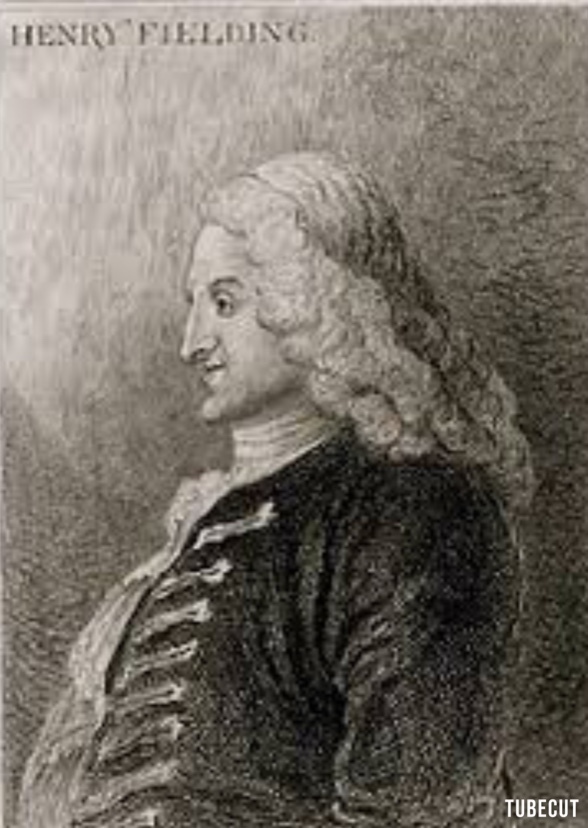
Fielding
In an age of excess, corruption, and the clash of class systems, Henry Fielding emerges as both a moral crusader and an irreverent satirist, determined to expose society's flaws through his razor-sharp pen. "Fielding" is an immersive, gritty, and witty six-part miniseries that takes viewers into the chaotic world of 18th-century London, where politics, literature, and social upheaval collide. The show traces Fielding’s evolution from a young, ambitious man of privilege to a fiery writer who stands up for the marginalized. Starting as a lawyer and magistrate, Fielding navigates the corruption of the legal system, which propels him into a life of literary rebellion. He uses his pen as a weapon to critique a society rife with inequality, scandal, and hypocrisy—most famously in works like The History of Tom Jones, a Foundling, and Jonathan Wild. We follow Fielding's struggles and relationships, including his tumultuous marriage, his battle with alcoholism, his chronic health problems, and the inevitable loss of his fortune. As a writer, he is celebrated and vilified, often at odds with the establishment he seeks to critique. At the same time, Fielding’s passionate love for the theater, his friendships with other writers (like Samuel Johnson), and his complex political leanings—torn between Whig and Tory ideologies—highlight his unshakable desire for reform in all areas of life.
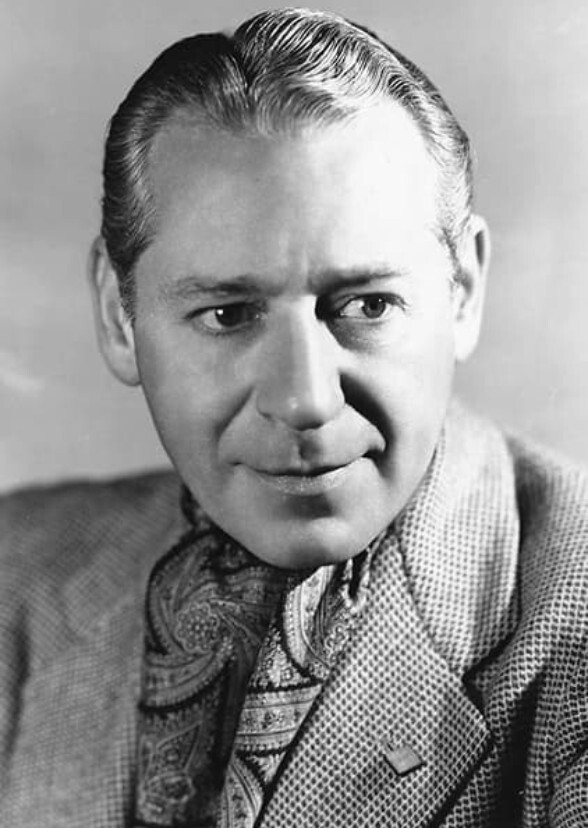
The Last Twist: The Life of O. Henry
The Last Twist is a gripping biographical miniseries that delves into the remarkable and tumultuous life of William Sydney Porter, better known by his pen name, O. Henry. Through the lens of his literary genius and personal struggles, we explore the man behind some of the most iconic short stories in American literature. O. Henry, renowned for his mastery of plot twists and his ability to weave complex characters into simple yet profound tales, lived a life as unpredictable and dramatic as the stories he penned. From his humble beginnings in North Carolina to a career as a journalist, a bank clerk, and eventually a celebrated writer, his journey was filled with adventure, tragedy, and triumph. Set against the backdrop of late 19th and early 20th century America, the series chronicles his rise to literary fame, his imprisonment for embezzlement, and his battle with alcoholism, all while unveiling the deep personal demons and love stories that shaped his narratives. With each episode, we’ll uncover how his own life became a tangled web of irony, humor, heartbreak, and resilience—elements that would later define his literary works.
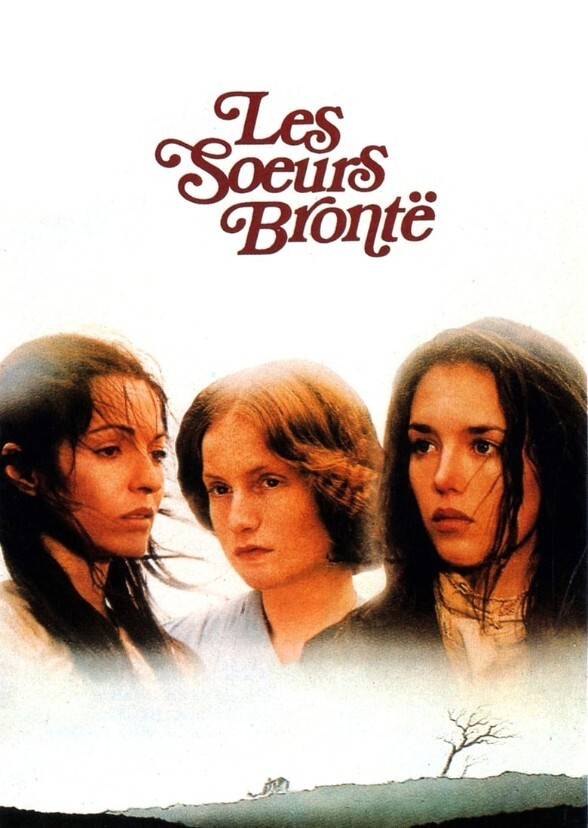
The Brontë Legacy
In the windswept moors of 19th-century Yorkshire, three sisters—Charlotte, Emily, and Anne Brontë—pushed against the constraints of a rigid and repressive society to create some of the most beloved novels in English literature. The Brontë Legacy takes us inside the Brontë household, unraveling the complex dynamics between the sisters, their father Patrick, and the shadows of loss that loomed over them. The series will explore the intimate lives of the Brontë sisters—each one a strikingly different personality, each with her creative voice, but all bound together by a shared love for writing and an unyielding desire to escape the limitations placed upon them. From Charlotte's determination to succeed in a world that would dismiss her as merely a "gentlewoman writer," to Emily’s passionate isolation and creation of Wuthering Heights, to Anne’s quieter yet profound impact with The Tenant of Wildfell Hall, the series will highlight their creative process, the challenges they faced as women in a male-dominated literary world, and their deep bond of sisterhood.
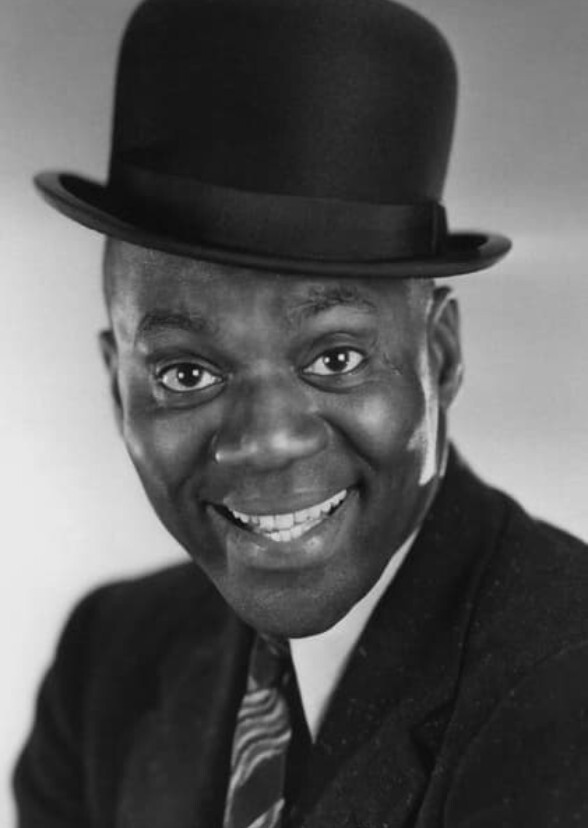
Bojangles: The Rhythm of a Dream
"Bojangles: The Rhythm of a Dream" is a captivating biographical miniseries that explores the life of Bill "Bojangles" Robinson, the legendary tap dancer and actor whose career spanned decades. Set against the backdrop of the Harlem Renaissance and the civil rights movement, this series delves deep into Bojangles' rise from humble beginnings to stardom, showcasing his struggles, triumphs, and the unique challenges he faced as a Black man in the early 20th-century show business. Bojangles, played by a charismatic and dynamic lead actor, is portrayed as a visionary with an unyielding passion for dance and an impeccable sense of style. Audiences will witness his famous partnerships, including his work with Shirley Temple in films that bridged racial divides, as well as his groundbreaking performances in Broadway musicals and on the vaudeville stage. But the story doesn’t shy away from the complexities of his personal life and the racist barriers he had to confront to achieve his dreams.