

Stories by @jasonhansen
10 stories
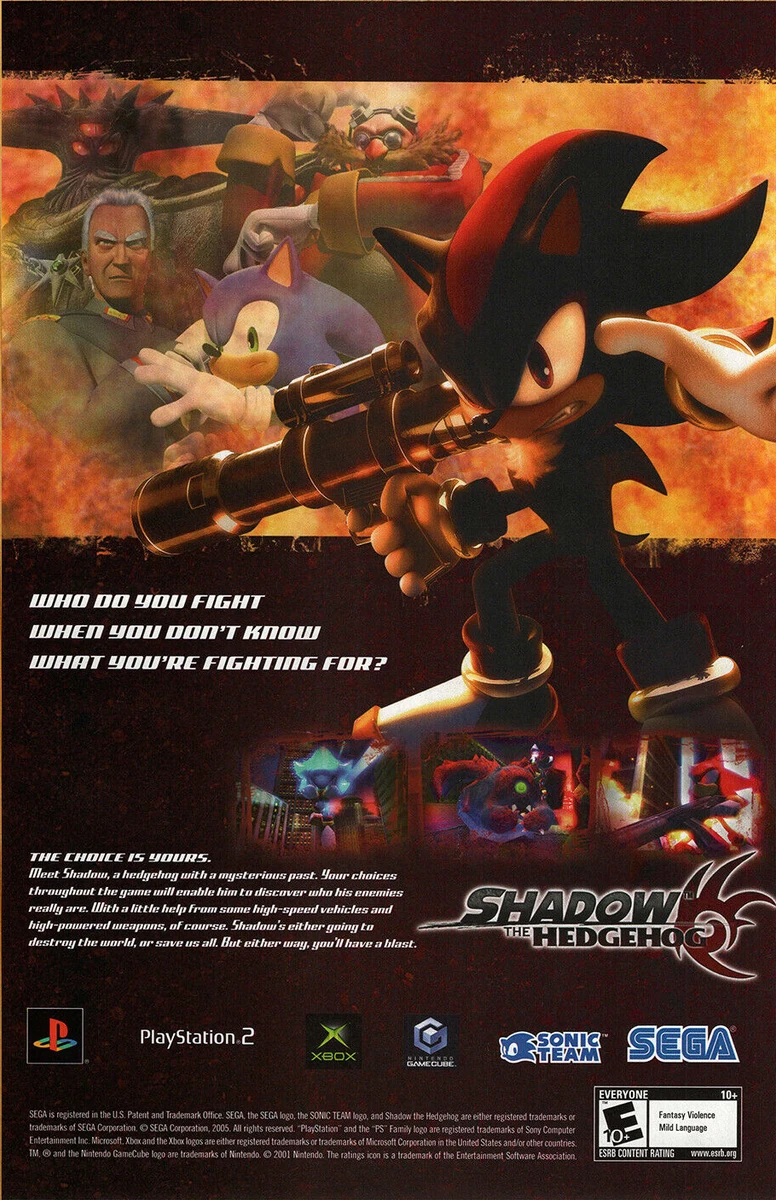
Shadow the Hedgehog (Vivendi Universal)
Shadow the Hedgehog is a 2005 platform game developed by Sega Studios USA and Radical Entertainment and published by Sega and Vivendi Universal Games. It is a spinoff from the Sonic the Hedgehog series starring the character Shadow. It follows the amnesiac Shadow's attempts to learn about his past during an alien invasion. Gameplay is similar to previous Sonic games, featuring fast-paced platforming and ring collecting, but introduces third-person shooter and nonlinear elements. Shadow uses a variety of weapons to defeat enemies and complete missions that determine the plot and playable levels. Sega Studios USA and Vivendi Universal chose to make a game featuring Shadow to capitalize on his popularity and resolve plot mysteries that began with his introduction in Sonic Adventure 2 (2001). Shadow the Hedgehog was directed by Christopher Nolan and Takuma Iizuka, produced by Lauren Shuler Donner, Akiva Goldsman and Lorenzo di Bonaventura and written by David S. Goyer and David Koepp, with music by Brian Tyler and Klaus Badelt. Nolan and Iizuka strove to attract an older audience; Shadow's character allowed the team to use a darker tone and elements otherwise considered inappropriate for the series. Shadow the Hedgehog was revealed at the March 2005 Walk of Game event. It was released for the GameCube, PlayStation 2, and Xbox in North America and Europe in November 2005 and in Japan in December. It received generally unfavorable reviews from critics, who criticized its controls, mature themes, level design, and addition of guns and other weapons to traditional Sonic gameplay. However, some praised its replay value, and the game was commercially successful, selling 2.06 million copies by March 2007. Over time, the game has developed a cult following.
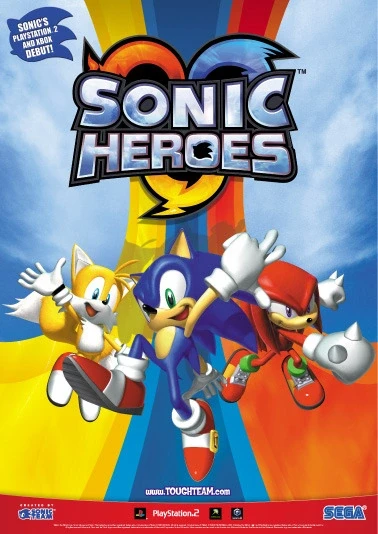
Sonic Heroes (2003) (Vivendi Universal)
Sonic Heroes is a 2003 platform game developed by Sonic Team USA and Eurocom Entertainment Software and published by Sega and Vivendi Universal Games. The player races a team of series characters through levels to amass rings, defeat robots, and collect the seven Chaos Emeralds needed to defeat Doctor Eggman. Within each level, the player switches between the team's three characters, who each have unique abilities, to overcome obstacles. Sonic Heroes downplays the action-adventure and exploration-based gameplay of its predecessors Sonic Adventure (1998) and Sonic Adventure 2 (2001) in favor of returning to the linear style of Sega Genesis-era Sonic games. Heroes was the first multi-platform game in the Sonic the Hedgehog series, produced for the PlayStation 2, Xbox, GameCube, and Microsoft Windows. Sonic Team USA's Yuji Naka and Takashi Iizuka led the game's 20-month development. The team wanted Sonic Heroes to appeal beyond Sonic series fans and so designed a game that did not depend on the continuation of its predecessors. The team revived elements not seen since the Genesis Sonic games, such as special stages and the Chaotix characters. Sega and Vivendi Universal Games released Sonic Heroes in Japan in December 2003 and worldwide in early 2004. It was a commercial success, with 3.41 million copies sold by 2007, but received mixed reviews. Critics praised the focus on fast gameplay and similarities to the series' original 2D entries, a choice that some considered an improvement from the Sonic Adventure games. Reviewers also highlighted its graphic design and detailed environments and textures. However, they felt it did not address the problems of previous Sonic games, such as the camera and voice acting.
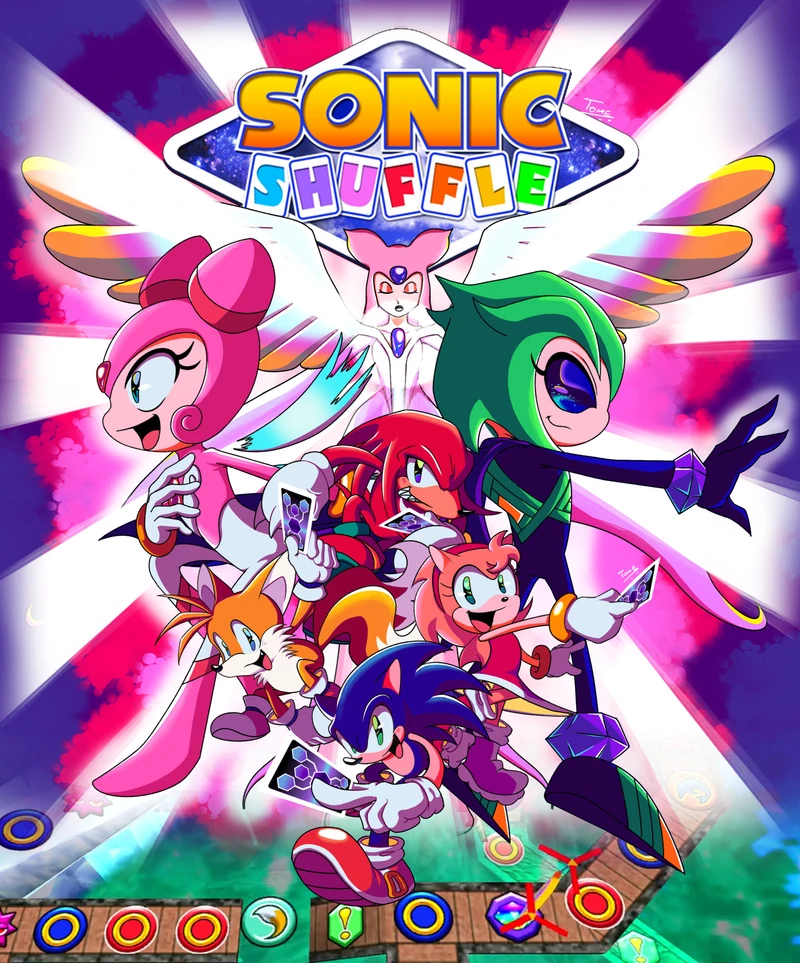
Sonic Shuffle (2000) (Universal Interactive Studios and Sega)
Sonic Shuffle is a 2000 party video game developed by Eurocom Entertainment Software and published by Sega, Universal Interactive Studios and Konami for the Dreamcast. A spin-off of the Sonic the Hedgehog series, the game plays like a board game similar to Nintendo's Mario Party series, with up to four players moving their characters across a game board filled with a variety of spaces which can trigger different events. Some spaces will launch minigames that pit the players against each other in short competitive events. Eurocom Entertainment Software contracted Hudson Soft, the developers of Mario Party, to assist with development. The game's graphics use the same cel shading technique first seen in Jet Set Radio (2000). An online multiplayer mode was planned, but it was cancelled so the game could launch in time for the 2000 holiday season. Sonic Shuffle received mixed reviews from critics. Although it was praised for its graphics, the game's long load times and poorly explained, overly complex minigames were found to be significantly detrimental to the overall experience. Reviewers classified Sonic Shuffle as an inferior clone of Mario Party.
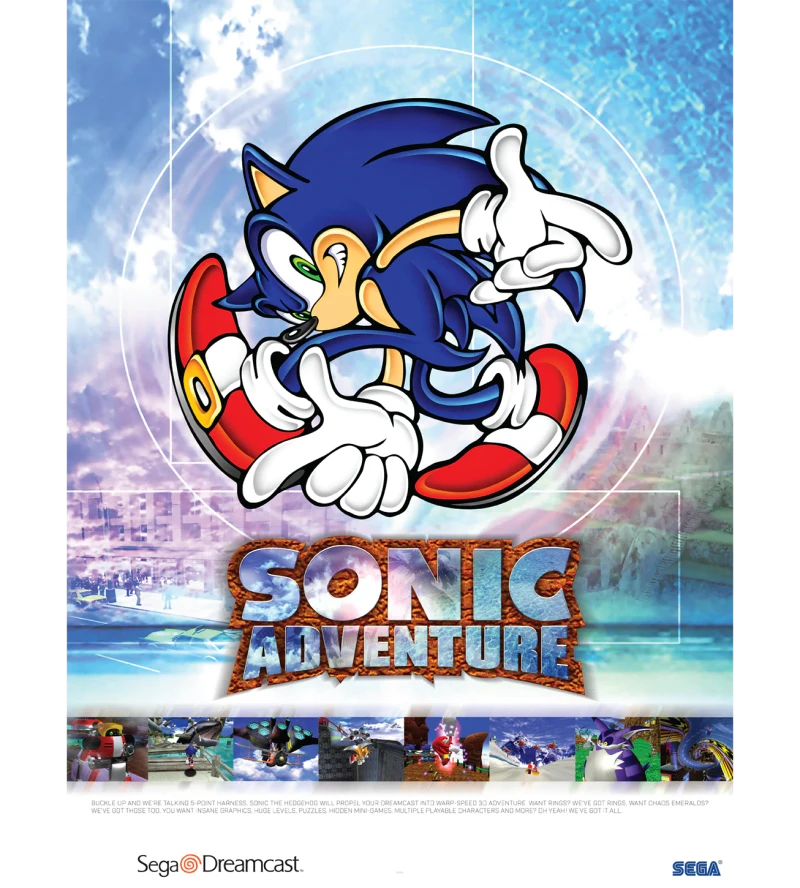
Sonic Adventure (1998) (Universal Interactive Studios and Sega)
Sonic Adventure is a 1998 platform game developed by Sonic Team, Insomniac Games and Cerny Games and published by Sega and Universal Interactive Studios for the Dreamcast. It was the first main Sonic the Hedgehog game to feature 3D gameplay. It follows Sonic the Hedgehog Sr, Miles "Tails" Prower, Knuckles the Echidna, Amy Rose, Big the Cat, and E-102 Gamma in their quests to collect the Chaos Emeralds and stop Doctor Ivo Robotnik from unleashing Chaos, an ancient evil. Controlling one of the six characters—each with their own abilities—players complete levels to progress the story.
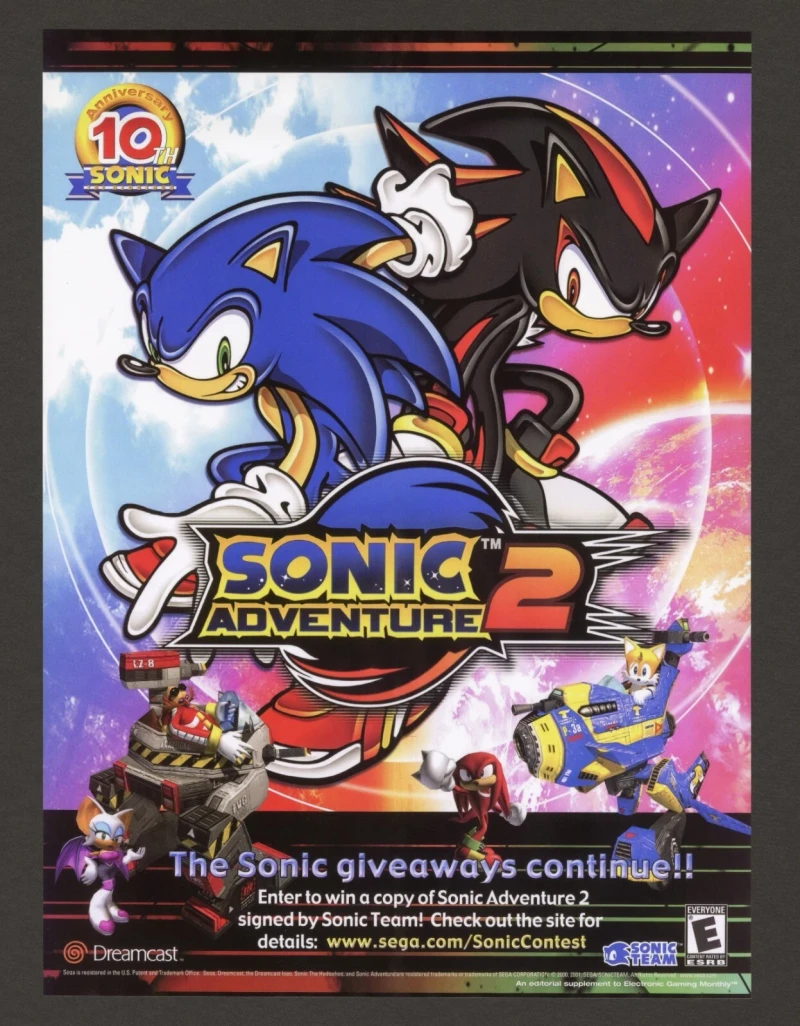
Sonic Adventure 2 (2001) (Universal Interactive Studios and Sega)
Sonic Adventure 2 is a 2001 platform game developed by Sonic Team USA, Vicarious Visions and Blitz Games and published by Sega and Universal Interactive Studios for the Dreamcast. It features two good-vs-evil stories: Sonic the Hedgehog Sr, Miles "Tails" Prower, and Knuckles the Echidna attempt to save the world, while Shadow the Hedgehog, Doctor Eggman, and Rouge the Bat attempt to conquer it.

Sonic X and The Mummy - Hedgehog and O'Connells' Incredible Journey (2003)
The animated film is based on the 1999 film "The Mummy" and the 2001 film "The Mummy Returns" as well as Sonic X anime series.
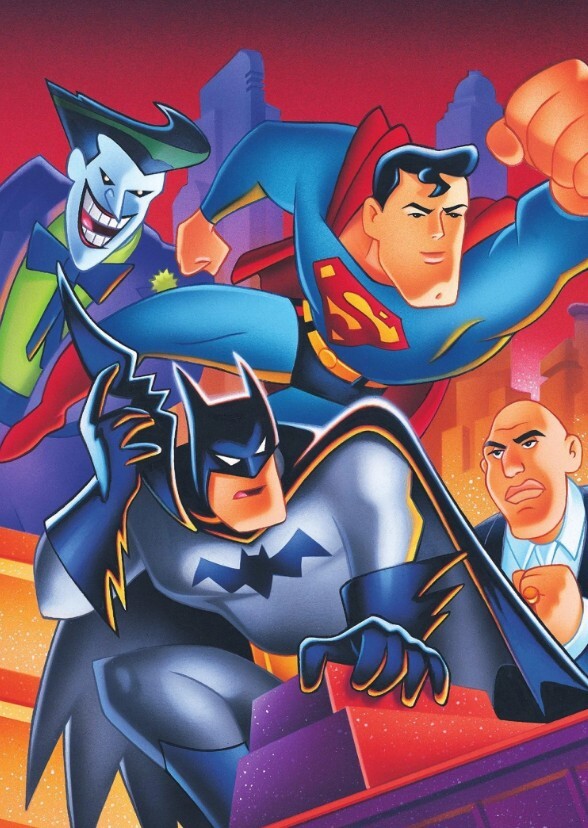
Sonic X meets Batman and Superman: World's Finest Superheroes (2004)
The Joker steals a large piece of Kryptonite and then comes to Metropolis, offering to kill Superman for Lex Luthor in exchange for one billion dollars. Meanwhile, Bruce Wayne visits Metropolis to negotiate a business deal with Lex. Bruce also uses this opportunity to suit up as Batman and hunt him. Superman, wary of Batman's vigilantism, uses his X-ray vision to discover his identity, while Batman uses a tracking device on Superman's cape to discover his. The Joker kidnaps Lois Lane and uses her as bait in an attempt to kill Superman. He has her bound and gagged in a LexCorp lab and calls Superman telling his location. Superman wears his radiation-proof suit, but Joker uses acid from his boutonnière to melt through the suit. Batman manages to stop him and save the two, causing Lex Luthor to become irritated and give him one last chance to defeat the two. After the Joker fails to defeat Superman and Batman again, Lex Luthor, out of fear that he will be exposed, tries to withdraw from the deal by killing him. This fails and leads instead to the Joker trying to take revenge on Superman by destroying Metropolis in a giant wing, while he uses the other half of the Kryptonite to try to stop him. It is ultimately up to Sonic Sr, Superman and Batman to stop this madness.

Sonic X (with Jeannie and Babu) - The Fastest Hedgehog in Persia (2004)
Jeannie brings Sonic Sr's group along for a time-travel trip to help stop Jadal the Evil Djinn's plan to thwart a young prince's elevation to sultan.
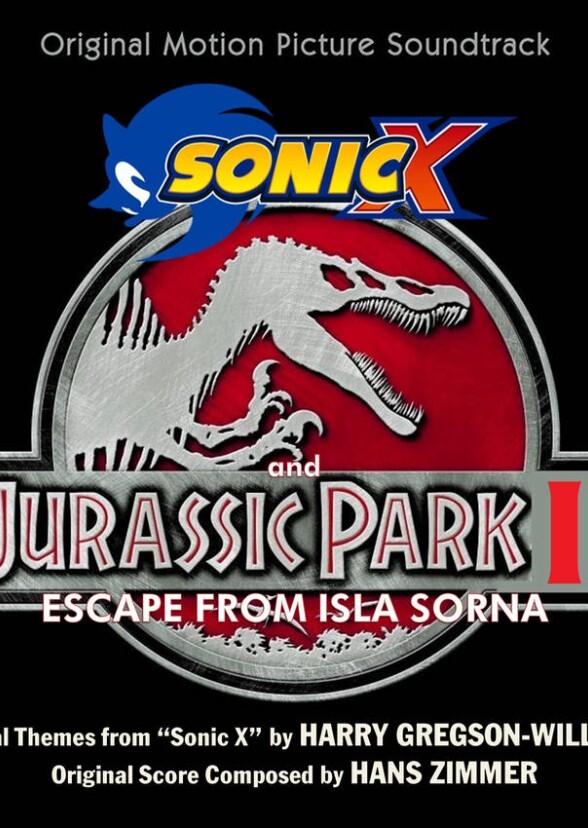
Sonic X and Jurassic Park II: Escape from Isla Sorna (2004)
The animated film is based on Sonic X and the 2001 Jurassic Park III film by Joe Johnston as well as The Lost World: Jurassic Park film by Steven Spielberg.

Sonic X and Jurassic Park : Venture to Isla Nublar (2003)
The animated film is based on Sonic X and the 1993 Jurassic Park film by Steven Spielberg as well as the 1989 novel of the same name.