

Stories by @danthemememan
56 stories

Thor (2011)
Thor is a 2011 American superhero film based on the Marvel Comics character of the same name, produced by Marvel Studios and distributed by Paramount Pictures.[N 1] It is the fourth film in the Marvel Cinematic Universe (MCU). The film was directed by Kenneth Branagh, written by the writing team of Ashley Edward Miller and Zack Stentz along with Don Payne, and stars Chris Hemsworth as the title character, alongside Natalie Portman, Tom Hiddleston, Stellan Skarsgård, Colm Feore, Ray Stevenson, Idris Elba, Kat Dennings, Rene Russo, and Anthony Hopkins. The film sees Thor banished to Earth from Asgard, stripped of his powers and his hammer Mjölnir, after reigniting a dormant war. As his brother Loki plots to take the Asgardian throne, Thor must prove himself worthy. Sam Raimi first developed the concept of a film adaptation based on Thor in 1991, but soon abandoned the project, leaving it in "development hell" for several years. During this time, the rights were picked up by various film studios until Marvel signed Mark Protosevich to develop the project in 2006, and planned to finance it and release it through Paramount. Matthew Vaughn was originally assigned to direct the film for a tentative 2010 release. However, after Vaughn was released from his holding deal in 2008, Branagh was approached and the film's release was rescheduled to 2011. The main characters were cast in 2009, and principal photography took place in California and New Mexico from January to May 2010.

Iron Man 2 (2010)
Iron Man 2 is a 2010 American superhero film based on the Marvel Comics character Iron Man, produced by Marvel Studios and distributed by Paramount Pictures.[N 1] It is the sequel to 2008's Iron Man, and the third film in the Marvel Cinematic Universe (MCU). Directed by Jon Favreau and written by Justin Theroux, the film stars Robert Downey Jr. as Tony Stark / Iron Man, alongside Gwyneth Paltrow, Don Cheadle, Scarlett Johansson, Sam Rockwell, Mickey Rourke, and Samuel L. Jackson. Six months after the events of Iron Man, Tony Stark is resisting calls by the United States government to hand over the Iron Man technology while also combating his declining health from the arc reactor in his chest. Meanwhile, rogue Russian scientist Ivan Vanko has developed the same technology and built weapons of his own in order to pursue a vendetta against the Stark family, in the process joining forces with Stark's business rival, Justin Hammer. Following the successful release of Iron Man in May 2008, Marvel Studios announced and immediately set to work on producing a sequel. In July of that same year Theroux was hired to write the script, and Favreau was signed to return and direct. Downey, Paltrow and Jackson were set to reprise their roles from Iron Man, while Cheadle was brought in to replace Terrence Howard in the role of James Rhodes. In the early months of 2009, Rourke, Rockwell, and Johansson filled out the supporting cast, and filming took place from April to July.

The Incredible Hulk (2008)
The Incredible Hulk is a 2008 American superhero film based on the Marvel Comics character the Hulk, produced by Marvel Studios and distributed by Universal Pictures. It is the second film in the Marvel Cinematic Universe (MCU). The film was directed by Louis Leterrier, with a screenplay by Zak Penn. It stars Edward Norton as Bruce Banner, alongside Liv Tyler, Tim Roth, Tim Blake Nelson, Ty Burrell, and William Hurt. In The Incredible Hulk, Bruce Banner becomes the Hulk as an unwitting pawn in a military scheme to reinvigorate the "Super-Soldier" program through gamma radiation. On the run, he attempts to cure himself of the Hulk before he is captured by General Thaddeus Ross, but his worst fears are realized when power-hungry soldier Emil Blonsky becomes a similar, but more bestial creatureAfter the mixed reception to the 2003 film Hulk, Marvel Studios reacquired the rights to the character. Leterrier, who had expressed interest in directing Iron Man, was brought onboard and Penn began work on a script that would be much closer to the comics and the 1978 television series of the same name.
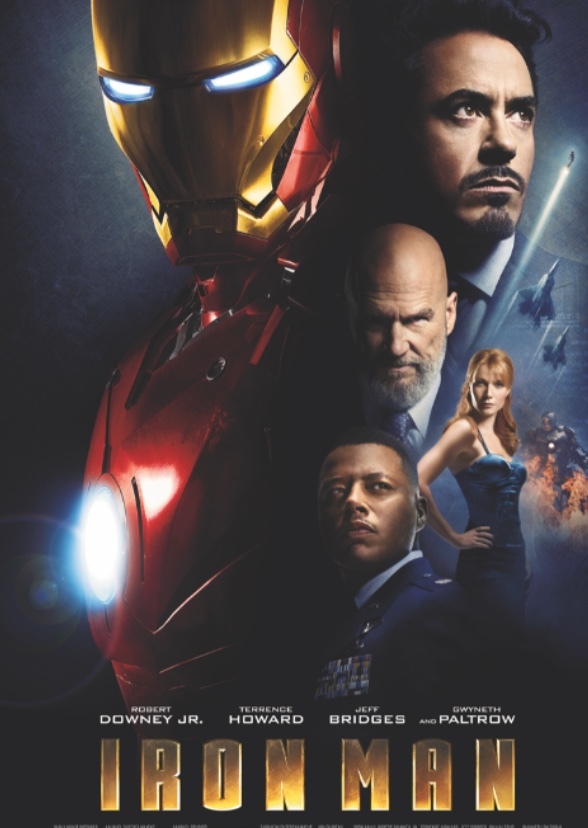
Iron Man (2008)
Iron Man is a 2008 American superhero film based on the Marvel Comics character of the same name, produced by Marvel Studios and distributed by Paramount Pictures. The first installment of the Marvel Cinematic Universe, it was directed by Jon Favreau from a screenplay by Mark Fergus and Hawk Ostby, and Art Marcum and Matt Holloway. The film follows Tony Stark (Robert Downey Jr.), an industrialist and master engineer who builds a mechanized suit of armor and becomes the superhero Iron Man. The film had been in development since 1990 at Universal Pictures, 20th Century Fox, and New Line Cinema at various times, before Marvel Studios reacquired the rights in 2006. Marvel put the project in production as its first self-financed film, with Paramount Pictures serving as distributor. Favreau signed on as director, aiming for a naturalistic feel, and chose to shoot the film primarily in California, rejecting the East Coast setting of the comics to differentiate the film from numerous superhero films set in New York City-esque environments. Filming began in March 2007 and concluded in June. During filming, the actors were free to create their own dialogue because pre-production was focused on the story and action. Rubber and metal versions of the armor, created by Stan Winston's company, were mixed with computer-generated imagery to create the title character.
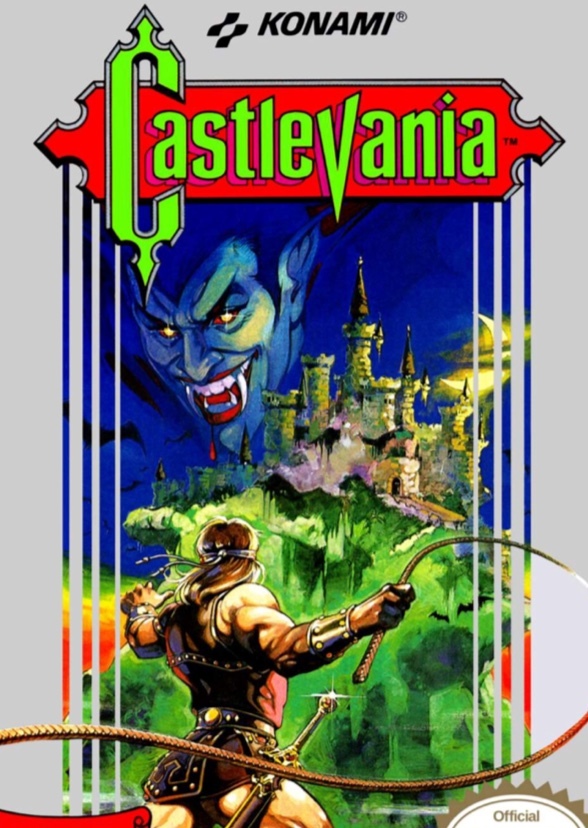
Castlevania
Castlevania[a] (/ˈkæsəlˌveɪniə/) is an action-adventure gothic horror video game series created and developed by Konami. It has been released on various platforms, from early systems to modern consoles, as well as handheld devices such as mobile phones.[2][3] The franchise has also expanded into other media, including comic books,[4] an animated TV series and several spin-off video games.[5] Castlevania is largely set in the eponymous castle of Count Dracula, the main antagonist of the Belmont clan of vampire hunters.[6] It debuted with 1986's Castlevania for the Nintendo Family Computer Disk System.[7][8] The first entry and the majority of its sequels are side-scrolling action platformers, and were later succeeded by the 1997 game, Castlevania: Symphony of the Night. Originally released for the PlayStation, it returned to the nonlinear gameplay seen in Castlevania II: Simon's Quest, which introduced RPG elements and exploration.[9] Several installments later adopted Symphony of the Night's gameplay, and along with Super Metroid, it has popularized the Metroidvania genre.[10] 2010 saw the release of Castlevania: Lords of Shadow, a 3D action-adventure reboot of the series developed by MercurySteam[11] and Kojima Productions.[12]It is one of Konami's most critically acclaimed franchises[13] and also one of the best-selling of all time.[14]
Sonic Mania (Netflix Series)
Sonic the Hedgehog is a media franchise owned by Sega, centering on a series of high-speed platform games. Sonic, the protagonist, is an anthropomorphic blue hedgehog with supersonic speed. Typically, Sonic must stop antagonist Doctor Eggman's plans for world domination, often helped by his friends, such as Tails, Amy, and Knuckles. The first Sonic the Hedgehog game, released in 1991, was conceived by Sega's Sonic Team division after Sega requested a new mascot character to replace Alex Kidd and compete with Nintendo's mascot Mario. Its success spawned many sequels and helped Sega become one of the leading video game companies during the 16-bit era of the early 1990s. The first major 3D Sonic game, Sonic Adventure, was released in 1998 for the Dreamcast. Spin-offs have explored other genres, including racing games such as Sonic R (1997) and sports games such as Mario & Sonic at the Olympic Games (2007). By March 2011, the series had sold over 89 million physical copies,[n 1] and grossed over $5 billion by 2014.[1] As of 2018, the series has shifted 800 million copies, including free-to-play mobile game downloads.[2] Several Sonic games are often included in lists of the greatest games of all time. Along with video games, the Sonic franchise has also crossed over into a variety of different media, including animation, comic books, and a Hollywood film.

Sonic The Hedgehog 2
Sonic Adventure 2[a] is a 2001 platform game developed by Sonic Team USA and published by Sega. The sequel to Sonic Adventure, it was the final Sonic the Hedgehog game for the Dreamcast after Sega discontinued the console. It features two good-vs-evil stories: Sonic the Hedgehog, Miles "Tails" Prower and Knuckles the Echidna attempt to save the world, while Shadow the Hedgehog, Doctor Eggman and Rouge the Bat attempt to conquer it. The stories are divided into three gameplay styles: fast-paced platforming for Sonic and Shadow, multi-directional shooting for Tails and Eggman, and action-exploration for Knuckles and Rouge. Development began soon after the American release of Sonic Adventure in 1999 and lasted 18 months. The game was produced in commemoration of the Sonic series' tenth anniversary and was designed to be faster-paced and more action-oriented than the original. The development team also expanded upon the presence of the Chao creatures and other player characters. Its locations were influenced by American locations such as San Francisco and Yosemite National Park. Sega announced Sonic Adventure 2 in October 1999 and exhibited it at E3 2000. It was released on June 23, 2001. Sonic Adventure 2 received generally positive reviews for its gameplay variety, visuals, and audio, though some criticized its camera, voice acting, and plot. An enhanced port for the GameCube, Sonic Adventure 2 Battle, was released worldwide in 2002; this version features improved textures and multiplayer options. Sonic Adventure 2 was also released as a downloadable game for the PlayStation 3, Xbox 360, and Windows in late 2012.
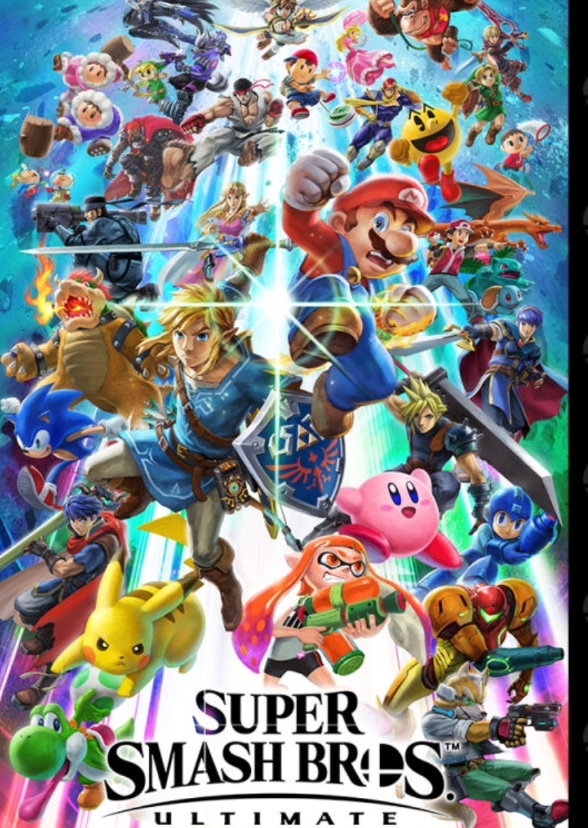
Super Smash Bros: Ultimate
Super Smash Bros. Ultimate is a crossover fighting game published by Nintendo for the Nintendo Switch. It is the fifth installment in the Super Smash Bros. series, succeeding Super Smash Bros. for Nintendo 3DS. The game follows the series' traditional style of gameplay: controlling one of various characters, players must use differing attacks to weaken their opponents and knock them out of an arena. Ultimate includes every playable character from previous Super Smash Bros. games—ranging from Nintendo's mascots to characters from third-party franchises—and several newcomers, having a total of over 70. Masahiro Sakurai returned along with Bandai Namco Studios and Sora, the studios that developed 3DS/Wii U. The return of the studios sped up the preparation process. Sakurai's goal with Ultimate was to include every character from previous games.
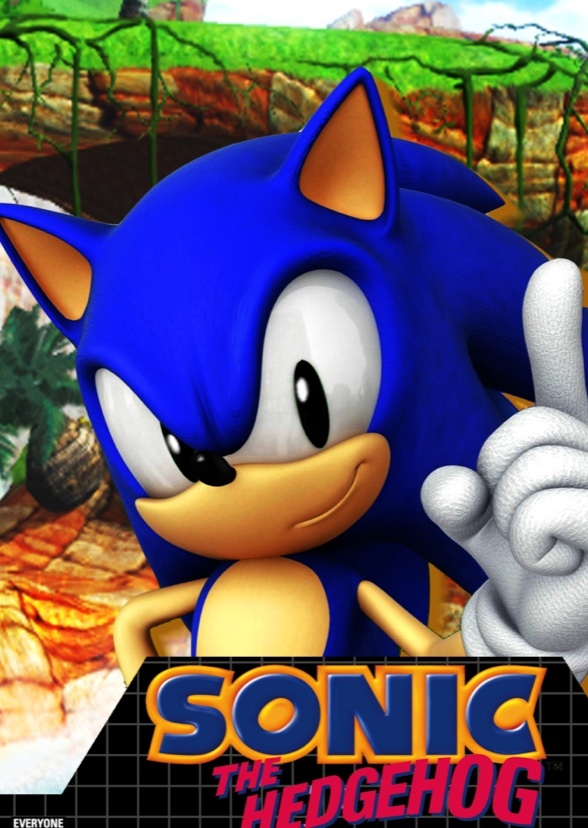
Sonic The Hedgehog
Sonic the Hedgehog is a media franchise owned by Sega, centering on a series of high-speed platform games. Sonic, the protagonist, is an anthropomorphic blue hedgehog with supersonic speed. Typically, Sonic must stop antagonist Doctor Eggman's plans for world domination, often helped by his friends, such as Tails, Amy, and Knuckles. The first Sonic the Hedgehog game, released in 1991, was conceived by Sega's Sonic Team division after Sega requested a new mascot character to replace Alex Kidd and compete with Nintendo's mascot Mario. Its success spawned many sequels and helped Sega become one of the leading video game companies during the 16-bit era of the early 1990s. The first major 3D Sonic game, Sonic Adventure, was released in 1998 for the Dreamcast. Spin-offs have explored other genres, including racing games such as Sonic R (1997) and sports games such as Mario & Sonic at the Olympic Games (2007). By March 2011, the series had sold over 89 million physical copies,[n 1] and grossed over $5 billion by 2014.[1] As of 2018, the series has shifted 800 million copies, including free-to-play mobile game downloads.[2] Several Sonic games are often included in lists of the greatest games of all time. Along with video games, the Sonic franchise has also crossed over into a variety of different media, including animation, comic books, and a Hollywood film.

Kirby
Kirby[a] is an action-platformer video game series developed by HAL Laboratory and published by Nintendo. The series centers around the adventures of the a young, pink alien hero named Kirby as he fights to save his home on the distant Planet Popstar from a variety of threats. The majority of the games in the series are side-scrolling platformers with puzzle solving and beat 'em up elements. Kirby has the ability to inhale enemies and objects into his mouth, spitting them out as a projectile or eating them. If he eats certain things he can gain the powers or properties of that object manifesting as a new weapon or power-up called a Copy Ability. The series is intended to be easy to pick up and play even for people unfamiliar with action games, while at the same time offering additional challenge and depth for more experienced players to come back to The Kirby series includes a total of over twenty games, and has sold over 34 million units worldwide, putting it in the top 50 best selling video game franchises of all time.
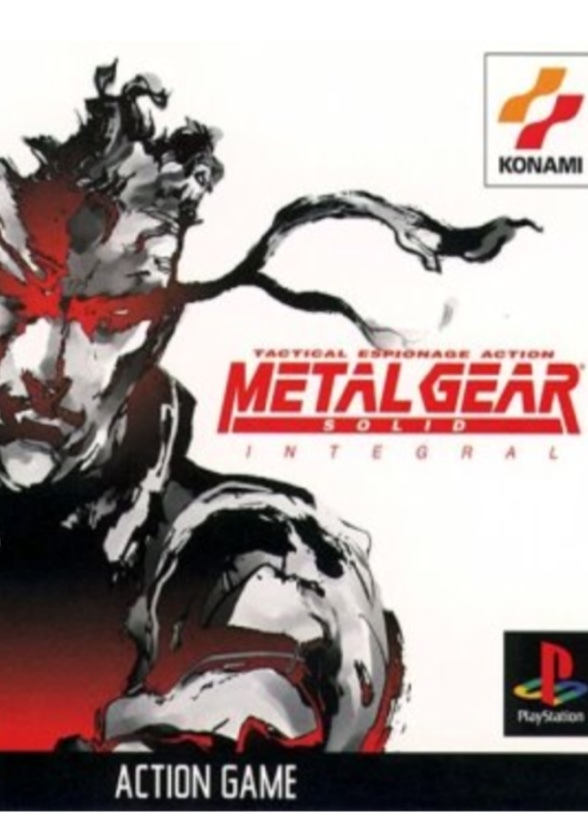
Metal Gear Solid
Metal Gear (Japanese: メタルギア Hepburn: Metaru Gia) is a series of action-adventure stealth video games created by Hideo Kojima and developed and published by Konami. The first game, Metal Gear, was released in 1987 for MSX home computers. The player often takes control of a special forces operative (usually Solid Snake or Big Boss), who is assigned the task of finding the titular superweapon "Metal Gear", a bipedal walking tank with the ability to launch nuclear weapons. Liquid Snake, Solid's twin brother, appears as an antagonist taking control of U.S. special forces unit FOXHOUND.

Kid Icarus
Kid Icarus[a] is a franchise of fantasy video games by Nintendo. The games are set in a fantasy world, based on classical antiquity and Greek mythology, called "Angel Land". The gameplay consists of a mixture of action, adventure and platform elements. The Kid Icarus franchise is known as a cult classic and sibling series to the Metroid franchise. Kid Icarus Genre(s) Platform Developer(s) Nintendo R&D1, Project Sora Publisher(s) Nintendo Platform(s) Nintendo Entertainment System, Game Boy, Nintendo 3DS First release Kid Icarus December 19, 1986 Latest release Kid Icarus: Uprising March 22, 2012 The first installment, Kid Icarus, was released in 1986 for the Nintendo Entertainment System and was received to critical acclaim despite poor sales. A sequel, Kid Icarus: Of Myths and Monsters was later released for the Game Boy. On June 15, 2010, at their E3 conference, Nintendo announced Kid Icarus: Uprising on Nintendo 3DS, thus reviving the franchise after a 20-year hiatus.

Star Fox
Star Fox[a] is a science fiction video game series created by Nintendo. The games follow a combat team of anthropomorphic animals called Star Fox, led by chief protagonist Fox McCloud. Gameplay involves adventures around the Lylat planetary system in the futuristic "Arwing" fighter aircraft, in other vehicles and on foot. The original Star Fox (1993) was a forward-scrolling 3D rail shooter, though later titles added more directional freedom. The first game in the series, developed by Nintendo EAD and programmed by Argonaut Software, used the Super FX Chip to create the first accelerated 3D gaming experience on a home console. The Super FX Chip was an additional math co-processor that was built into the cartridge and helped the Super NES better render the game's graphics. The Super FX Chip has been used in other Super NES games as well, some with increased processing speed. Its reboot, Star Fox 64, further revolutionized the video game industry by being the first Nintendo 64 game to feature the Rumble Pak. Due to perceived issues with the German company StarVox,[1] Star Fox and Star Fox 64 were released in PAL region territories as Starwing and Lylat Wars respectively. However, as of Star Fox Adventures, Nintendo went back on this decision so future games could be released worldwide with the same name.
Pokémon
Pokémon[a] (English: /ˈpoʊkɪˌmɒn, -ki-, -keɪ-/),[1][2][3] also known as Pocket Monsters[b] in Japan, is a media franchise managed by The Pokémon Company, a Japanese consortium between Nintendo, Game Freak, and Creatures.[4] The franchise copyright is shared by all three companies, but Nintendo is the sole owner of the trademark.[5] The franchise was created by Satoshi Tajiri in 1995,[6] and is centered on fictional creatures called "Pokémon", which humans, known as Pokémon Trainers, catch and train to battle each other for sport. The English slogan for the franchise is "Gotta Catch 'Em All".[7][8] Works within the franchise are set in the Pokémon universe. The franchise began as Pokémon Red and Green (later released outside of Japan as Pokémon Red and Blue), a pair of video games for the original Game Boy that were developed by Game Freak and published by Nintendo in February 1996. It soon became a media mix franchise adapted into various different media.[9] Pokémon has since gone on to become the highest-grossing media franchise of all time,[10][11][12] with $90 billion in total franchise revenue.[13][14] The original video game series is the second best-selling video game franchise (behind Nintendo's Mario franchise)[15] with more than 340 million copies sold[16] and 1 billion mobile downloads,[17] and it spawned a hit anime television series that has become the most successful video game adaptation[18] with over 20 seasons and 1,000 episodes in 169 countries.
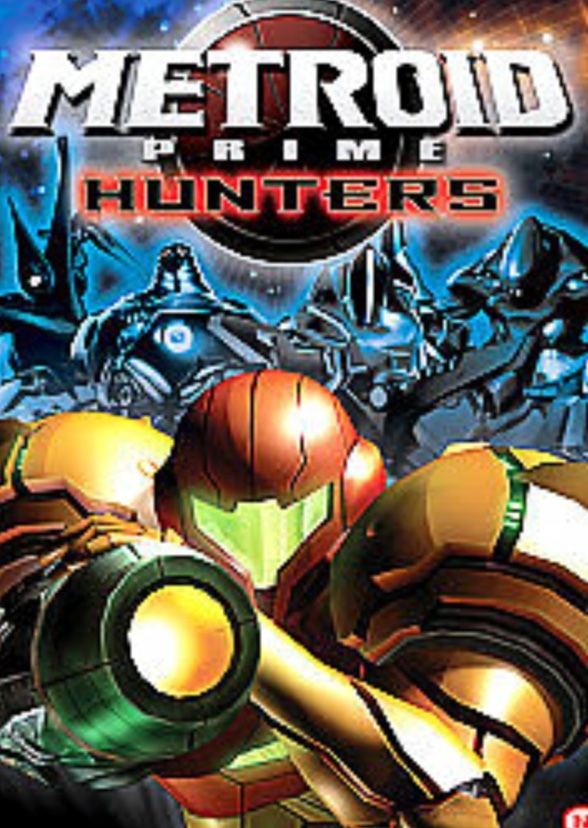
Metroid
Metroid is a science fiction action game franchise created by Nintendo. The series is primarily produced by the company's first-party developers Nintendo R&D1 and Retro Studios, although some games have been handled by other developers, including Fuse Games, Team Ninja, Next Level Games, and MercurySteam. Metroid follows space-faring bounty hunter Samus Aran, who protects the galaxy from the Space Pirates and their attempts to harness the power of the parasitic Metroid creatures. Metroid combines the platforming of Super Mario Bros. and the adventure of The Legend of Zelda with a dark science fiction atmosphere and greater emphasis on nonlinear gameplay.

Donkey Kong
Donkey Kong is a series of video games featuring the adventures of a gorilla character called Donkey Kong, conceived by Shigeru Miyamoto in 1981.The franchise consists mainly of two game genres, but also includes additional spin-off titles of various genres. The games of the first genre are mostly single-screen platform/action puzzle types, featuring Donkey Kong as the opponent in an industrial construction setting. Donkey Kong first made his appearance in the 1981 arcade machine called Donkey Kong, in which he faced Jumpman (Mario), now Nintendo's flagship character. This game was also the first appearance of Mario, pre-dating the well-known Super Mario Bros. by four years. In 1994, the series was revived as the Donkey Kong Country series, featuring Donkey Kong and his clan of other apes as protagonists in their native jungle setting versus a variety of anthropomorphic enemies, usually against the Kremlings, a clan of crocodiles, and their leader King K. Rool. These are side-scrolling platform games. Titles outside these two genres have included rhythm games (Donkey Konga), racing games (Diddy Kong Racing), and edutainment (Donkey Kong Jr. Math).

The Legend Of Zelda
The Legend of Zelda is a fantasy action-adventure video game franchise created by Japanese game designers Shigeru Miyamoto and Takashi Tezuka. It is primarily developed and published by Nintendo, although some portable installments and re-releases have been outsourced to Capcom, Vanpool, and Grezzo. The series' gameplay incorporates action-adventure and elements of action RPG games. The series centers on Link, the elf-like player character and chief protagonist. Link is often given the task of rescuing Princess Zelda and the kingdom of Hyrule from Ganon, an evil warlord turned demon who is the principal antagonist of the series; however, other settings and antagonists have appeared in several games. The plots commonly involve a relic known as the Triforce, a set of three golden triangles representing the virtues of Courage, Wisdom and Power that together are omnipotent. The protagonist in each game is usually not the same incarnation of Link, but a few exceptions exist.
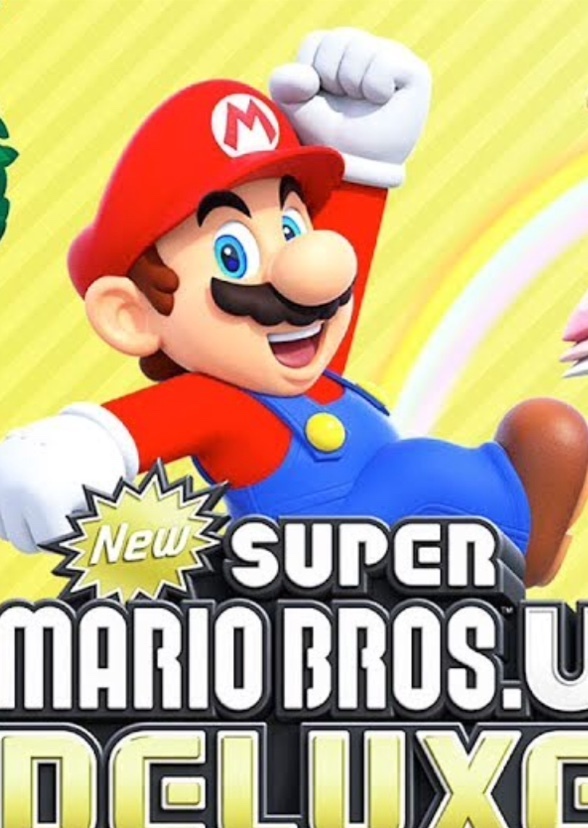
Mario Bros
Mario is a fictional character in the Mario video game franchise, owned by Nintendo and created by Japanese video game designer Shigeru Miyamoto. Serving as the company's mascot and the eponymous protagonist of the series, Mario has appeared in over 200 video games since his creation. Depicted as a short, pudgy, Italian plumber who resides in the Mushroom Kingdom, his adventures generally center upon rescuing Princess Peach from the Koopa villain Bowser. His younger brother and sidekick is Luigi.

Sonic The Hedgehog
Sonic the Hedgehog is the title character and protagonist of the Sonic the Hedgehog video game series released by Sega, as well as numerous spin-off comics, animations, and other media. Sonic is a blue anthropomorphic hedgehog who can run at supersonic speeds and curl into a ball, primarily to attack enemies. In most games, Sonic must race through levels, collecting power-up rings and avoiding obstacles and enemies. Sonic has become one of the world's best-known video game characters and a gaming icon. His series had sold more than 80 million copies by the early 2010s.[8] In 2005, Sonic was one of the first game character inductees into the Walk of Game alongside Mario and Link.

A Song Of Ice And Fir
A Song of Ice and Fire is a series of epic fantasy novels by the American novelist and screenwriter George R. R. Martin. He began the first volume of the series, A Game of Thrones, in 1991, and it was published in 1996. Martin, who initially envisioned the series as a trilogy, has published five out of a planned seven volumes. The fifth and most recent volume of the series published in 2011, A Dance with Dragons, took Martin six years to write. He is currently writing the sixth novel, The Winds of Winter.