

Stories by @captainwhaddock
42 stories
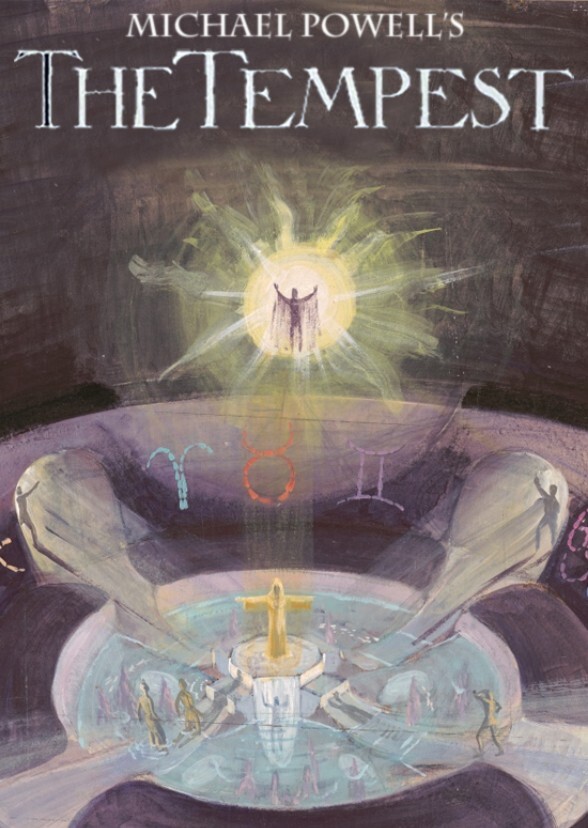
Michael Powell's The Tempest
In 1969, Director Michael Powell, best know for films like a Matter of Life or Death and the Red Shoues, desided to do an adaptation of William Shakespeare's The Tempest in a dream like style. Powell created a Shooting script and got Ivor Beddoes to make several concept images, but couldn't get any studio to sine on, Michael Powell would make two more films after that, before his death in 1990.
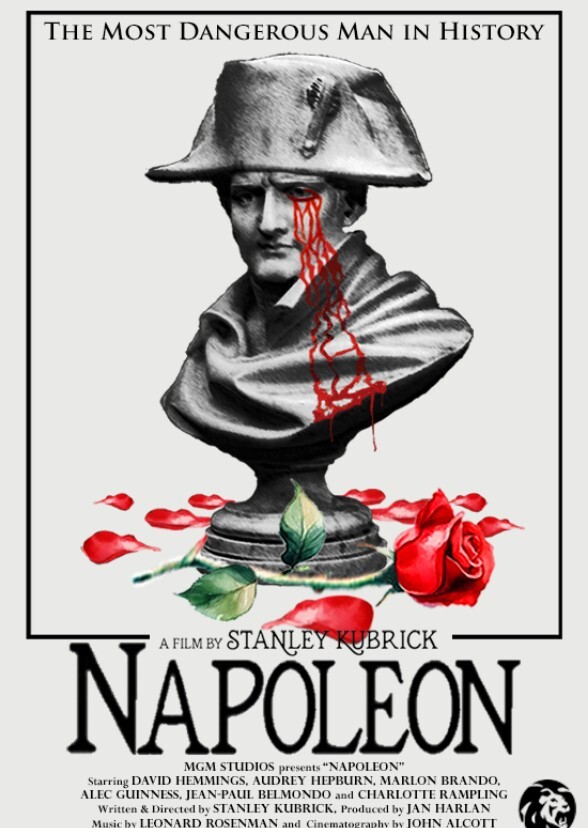
Stanley Kubrick's Napoleon (1974)
After the release of 2001: A Space Odyssey, Stanley Kubrick wanted to make a movie of the French General and Emperor "Napoleon Bonaparte". He spent year researching Napoleon's life don't the most minute detail, creating a vast amount of documents and notes of fact and reference material. He pitched his idea MGM and planned to film in Yugoslavia, using the Romanian army as extras. However, after three years of development, MGM decided not to go any further with the project after another Napoleon movie Waterloo bombed at the box office. Kubrick then planned to make the film with Warner Brothers but after A Clockwork Orange, he never went any further with the project and the film would go unmade.
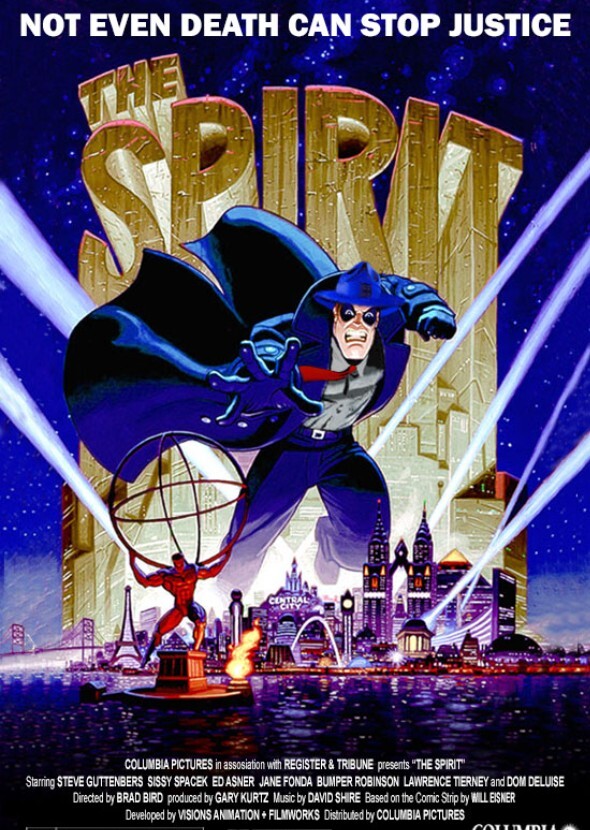
Brad Bird’s The Spirit (1984)
In 1980, Brad Bird made a short test animation of Will Eisner's The Spirit to pitch to studios to make a fully animated adaptation of The Spirit. However, due to a lack of interest and the decline of animated movies in the 80s, studios weren't willing to fund an expensive, more adult-oriented animated movie with no guarantee of recouping their investment. Brad Bird would later go on to make movies like The Iron Giant and The Incredibles, which cemented his place in animation history. But if the Spirit had been made, then it could have changed the animated movie landscape forever. This was before stuff like Batman: The Animated Series, so having an animated movie in the classic noir comic vibe would have made a huge impact on animation.
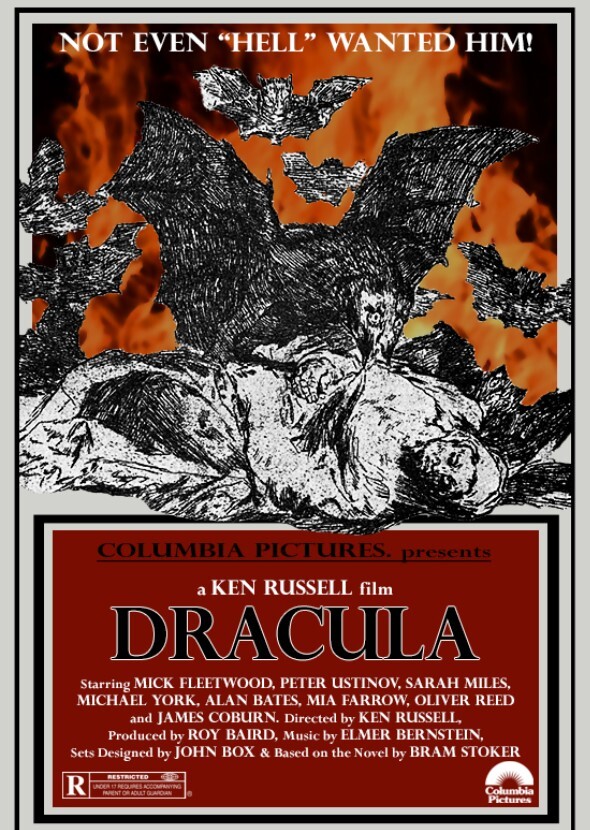
Ken Russell's Dracula
"Dracula" was a planned gothic-style horror movie based off the 1897 Bram Stoker novel of the same name, which would've been directed by British film director Ken Russell, a filmmaker best known for making movies that were more often than not flamboyant and controversial. Columbia Pictures most likely didn't want to compete with Universal Pictures, who announced their own version of Dracula, a film adaptation of the 1977 revival of the 1927 Broadway play by Hamilton Deane and John L. Balderston.
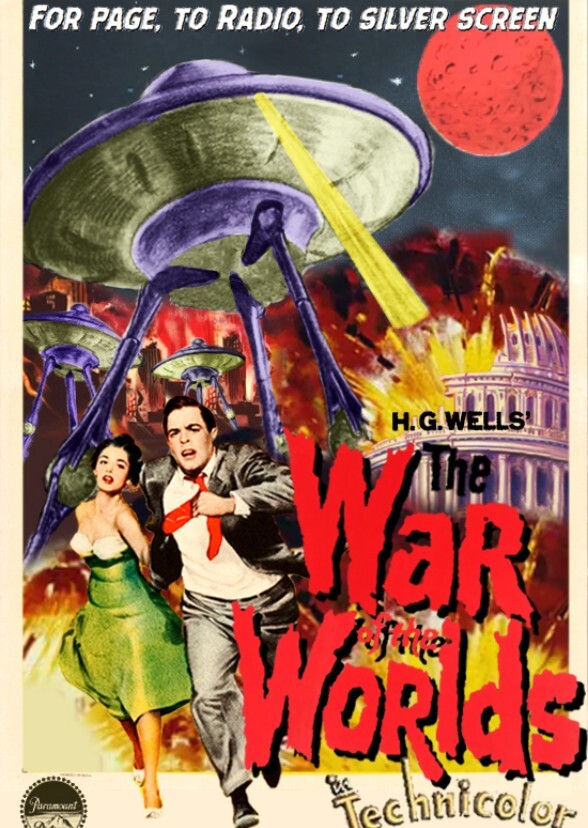
Ray Harryhausen's The War of the Worlds (1954)
This is my poster for the unmade Ray Harryhausen movie of H.G. Wells' the War of the Worlds. He'd planed to make this movie in the 1950s at Paramount Pictures, who owned the film rights to Wells' novel, but couldn't raise enughe money to finase the film. Harryhausen would go on to do special effect for the 1956 alien invasion movie Earth vs. the Flying Saucers and would later go on to adapt another H.G. Wells story, First Men in the Moon in 1964. But he never gave up on his dream of making War of the Worlds some day.

Famouse People Who Need Biopics
Last year, we got a biopic of Bob Marley, Shirley Chisholm, Amy Winehouse and now, we’re getting another biopic of Bob Dylan. And there are even more on the way, including ones about Bruce Springsteen, Donald Trump, Michael Jackson, Elon Musk, Fred Astaire and even a four-part movie about the Beatles. But there are some people who a dying for a biopic who still haven’t made it yet. So because there are only so meny people to make biopic of, this is more famous people who should be next on Hollywood’s checklist.
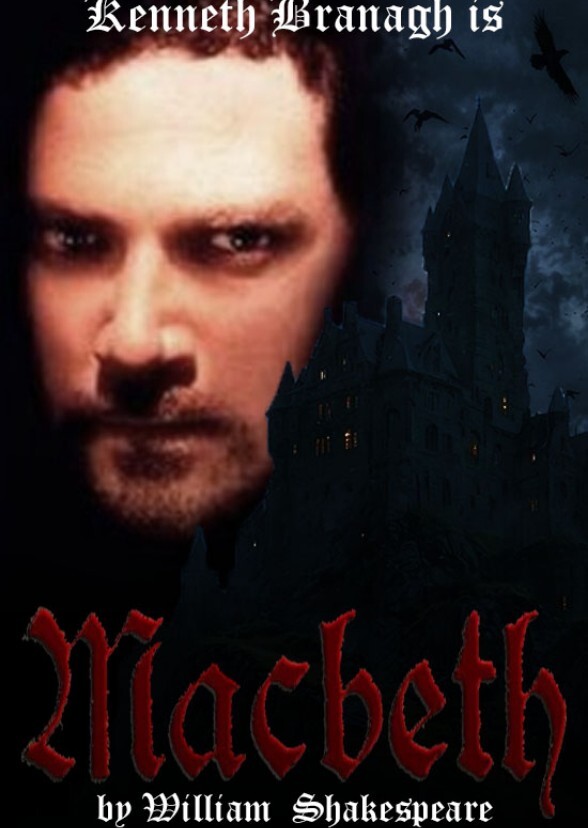
Kenneth Branagh's Macbeth (2000)
In 2000 Branagh projected with Intermedia to produce Love’s Labour’s Lost, Macbeth, and As You Like It. But, as Mark Thornton Burnett puts it, “ as a result of Love’s Labour’s Lost’s performance, Macbeth, at one time slated as being the next film in Branagh’s trilogy, was put on hold, although one might also suggest that the concept of a ‘Scottish play’ set in the corridors of a ‘media empire’ on ‘Wall Street’ had already been sapped and superseded by Michael Almereyda’s deployment of a similarly global locale and idea in Hamlet (2000).”
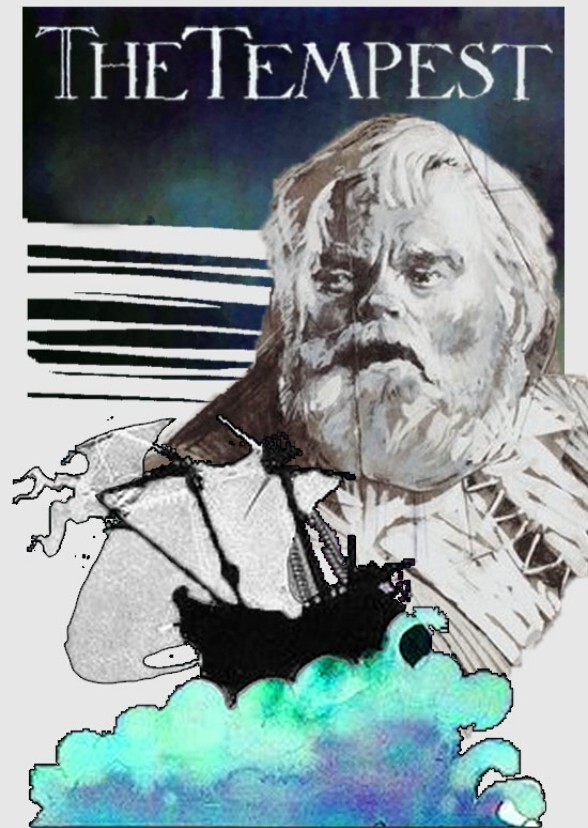
Orson Welles' The Tempest
Orson Welles had considered making a film version of William Shakespeare's The Tempest in the 50s and around the same time as he was filming his 1966 movie Chimes at Midnight, which was an adaptation of William Shakespeare's Henry IV. He never got round to it do to schedualing issues but what if he "had" made it and we'de gotten a film version of this play from one of histories greatest film directors, in the 50s or 60s?
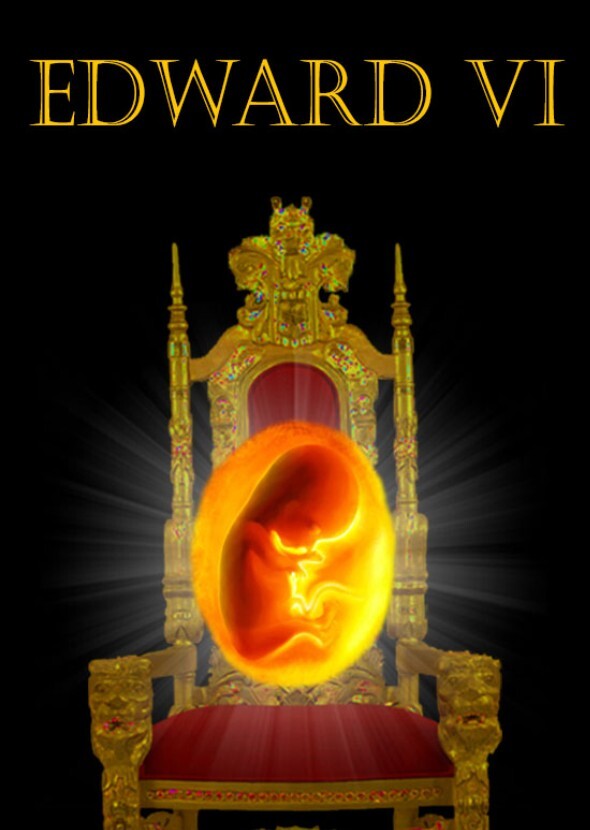
Edward VI
Edward VI, the only legitimate male heir of King Henry VIII, took his seat on the throne at the age of nine. His life would come to an end when he was only fifteen years old, but the mark he would come to leave on England’s history has endured to this day. This part of the Tudor period was chock-full of social unrest and economic struggles as well as turmoil over religious reforms, which the young king and his advisors often made worse by imposing substantial changes on their subjects. Edward VI led his country into a new age where the Church of England was no longer tied to the Catholic Church. Putting his efforts into spreading Protestantism throughout all of England, he continued his father’s work of freeing England from the Holy Roman Empire’s grasp. His successor and half-sister, Queen Mary I, better known as “Bloody Mary,” would try to undo many of Edward’s reforms, but the English Reformation to which Edward contributed significantly would resume its course upon her death.
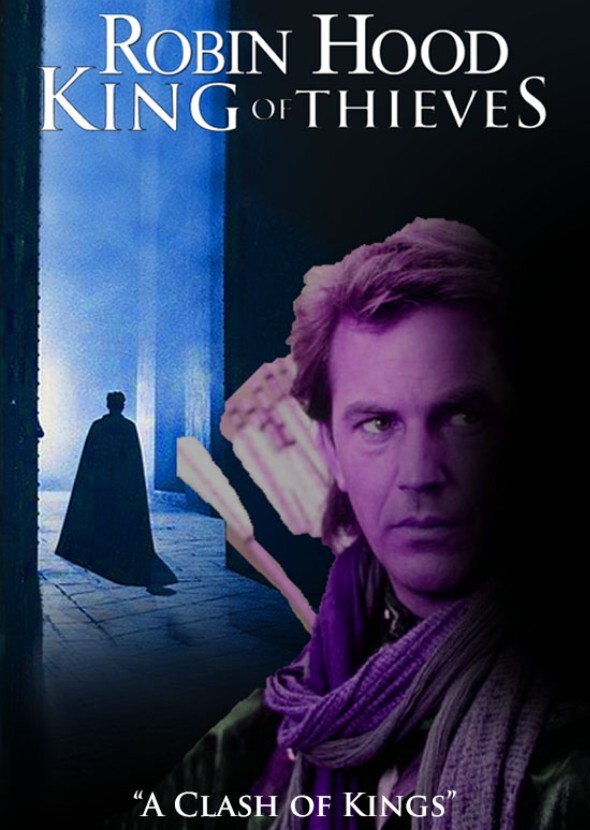
Robin Hood: King of Thieves (1994)
1199, Richard: The Lion Heart is dead, and in his place, the villainess King John has risen to the throne of England. He then sets about ridding his kingdom of all roughs and thieves, including the aponymous Robin Hood, who has been crowned “King of Thieves”. Robin, Martin and the Merry Men are driven out of England and into France, but not before Robin and Marian’s son “Roland” is taken by the English army. Once they are in France, it is clear that (being English) they are not welcome and are now being hunted down by the soldiers of King Philip II. King John decides to adopt Roland as his own son and teach him to be a royal assassin, just to cause emotional torment to Robin Hood. Robin and the Merry Men must now convince King Philip II to help them reclaim their home and save their son from King John, before he has them all executed, and Roland becomes a pawn of the English Throne.
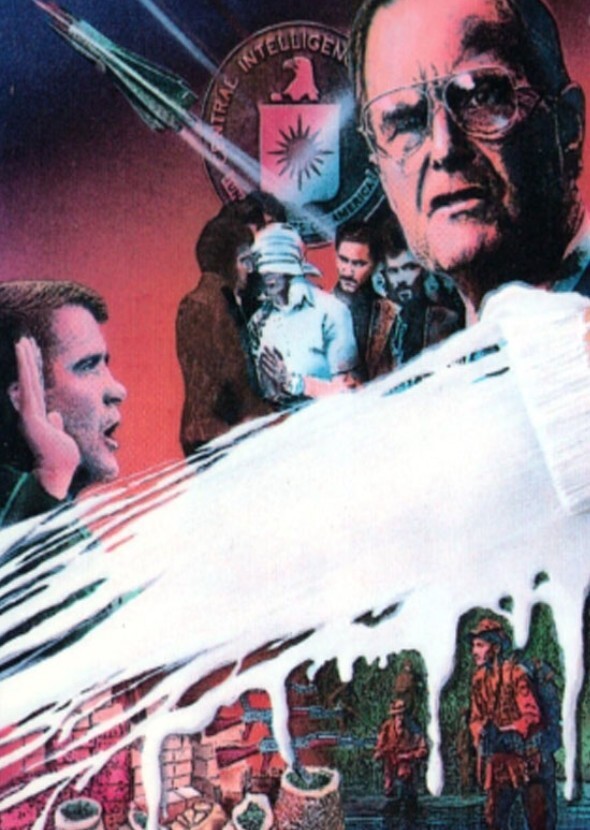
The Enterprise
There has never been a movie about the Iran-Contra Affair, which is surprising but understandable. Even if you take away all the complicated details, this would be a very controversial movie to sell, as Ronald Reagan is a very beloved figure among conservatives, and if they made a movie about all the terrible things he did, then it would inevitably be boycotted by far-right groups. But I think it is still worth a try just to say that they did it.
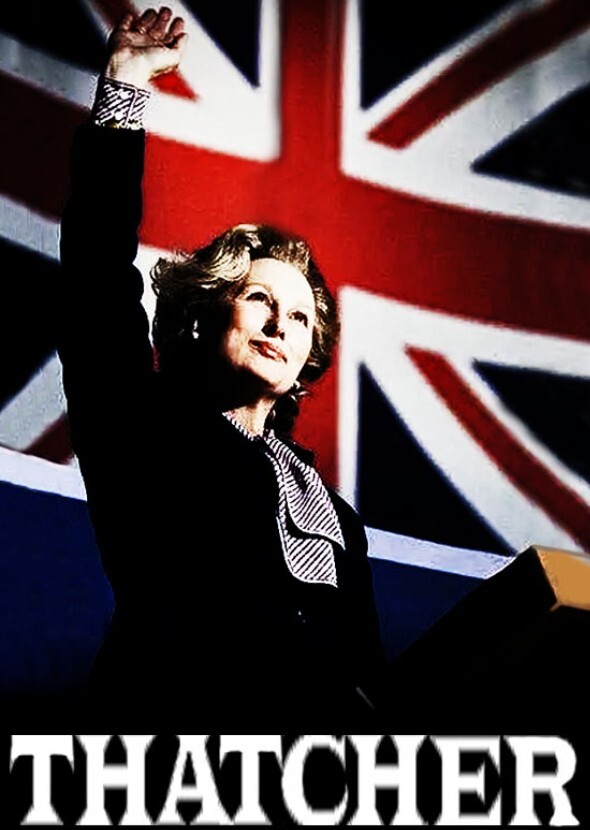
Thatcher
This is an idea I have for a Second Margaret Thatcher Biopic that goes into more detail about her life and career than 2012's Iron Lady did. This wouldn't be a cheap production like the 2012 movie; this would be a big-budget period drama like Malcom X and Gandhi. This provides more detail about Thatcher and her era as Prime Minister, including the Miners' Strikes, the IRA bombings, the Poll Tax, and her relationship with Ronald Ragon. It also touches on aspects that were left out of The Iron Lady, such as her relationships with her children, Mark and Carol, and what it was like to be a teenager during the Thatcher Era. It also focuses more on her Cabinet Members than Thatcher herself in the same way as stuff like Hamilton and Jesus Christ Superstar does, So over all, this would be a more honest portail of Thatcher that doesn't shy away from all the ugly details and shows her how she actually was.
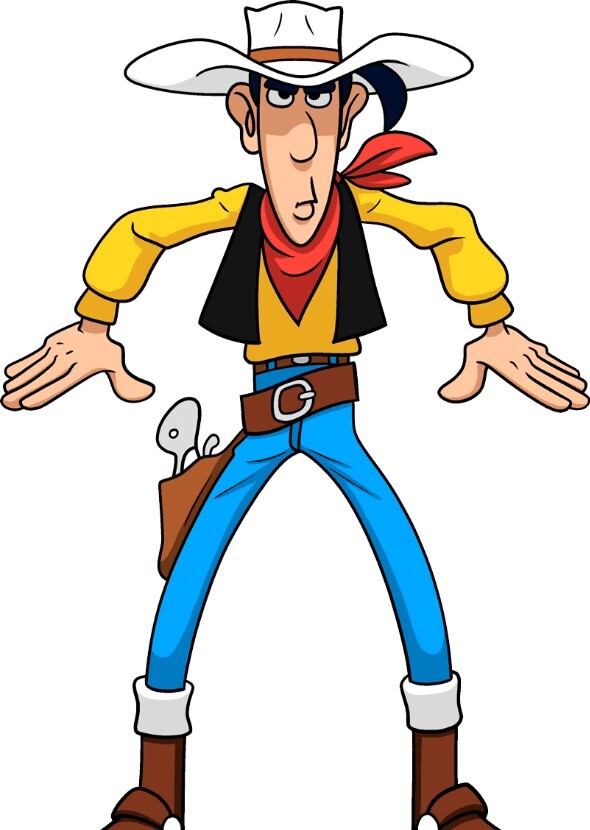
Sony Picture Animation's Lucky Luke
This is my ideal cast for a western "not pun intended" movie adaptation of the Maurice De Bevere aka Morris, and René Goscinny, comic series "Lucky Luke". This would be animated in Autodesk Maya for 3D animation and Blender for aspects like modelling and the "grease pencil" effect, as seen in the Spider-Verse movies. Like how the Spider-Verse movies were made to look and feel like a comic book come to life, this film would bring Maurice De Bevere's original art style to life in the same way, along with the great René Goscinny's comedy and writing style.
Ken Russell's The Phantom of the Opera
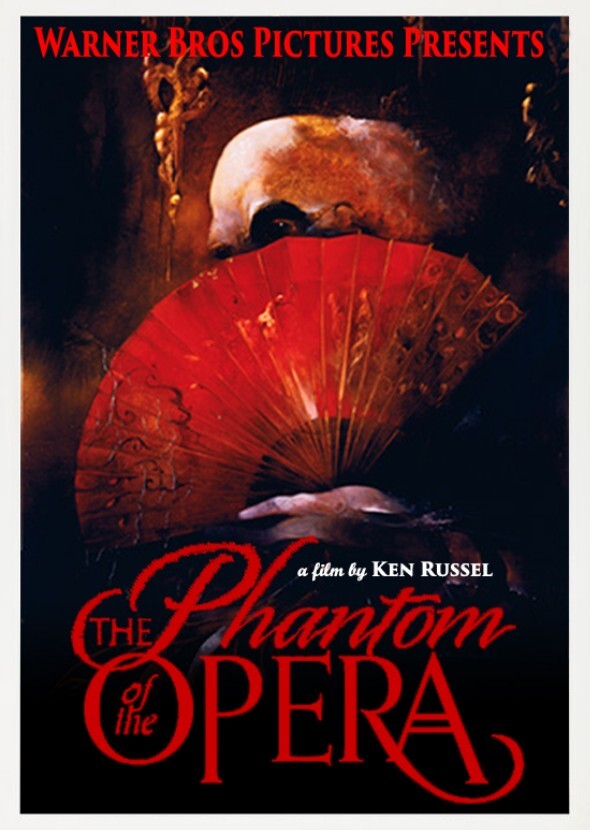
The Phantom of the Opera is a riveting story that revolves around the young, Swedish Christine Daaé. Her father, a famous musician, dies, and she is raised in the Paris Opera House with his dying promise of a protective angel of music to guide her. After a time at the opera house, she begins hearing a voice, who eventually teaches her how to sing beautifully. All goes well until Christine's childhood friend Raoul comes to visit his parents, who are patrons of the opera, and he sees Christine when she begins successfully singing on the stage. The voice, who is the deformed, murderous 'ghost' of the opera house named Erik, however, grows violent in his terrible jealousy, until Christine suddenly disappears. The phantom is in love, but it can only spell disaster. (Note: I'm aware that Ken Russell directed the music video The Phantom of the Opera Musical, so please don't point that out)
The Who's Tommy
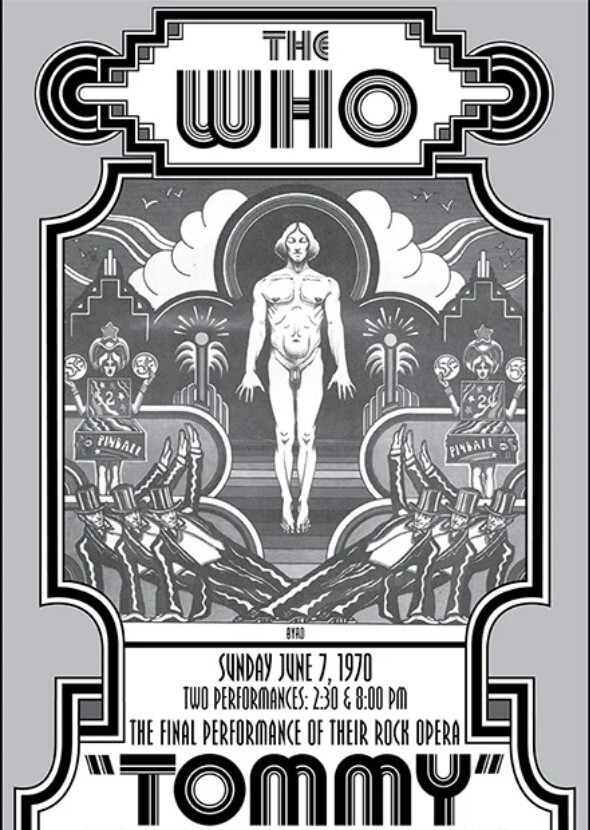
This is my idea cast for a remake of the 1975 Ken Russell moive based on the album by the Who.
David Cronenberg's Frankenstein
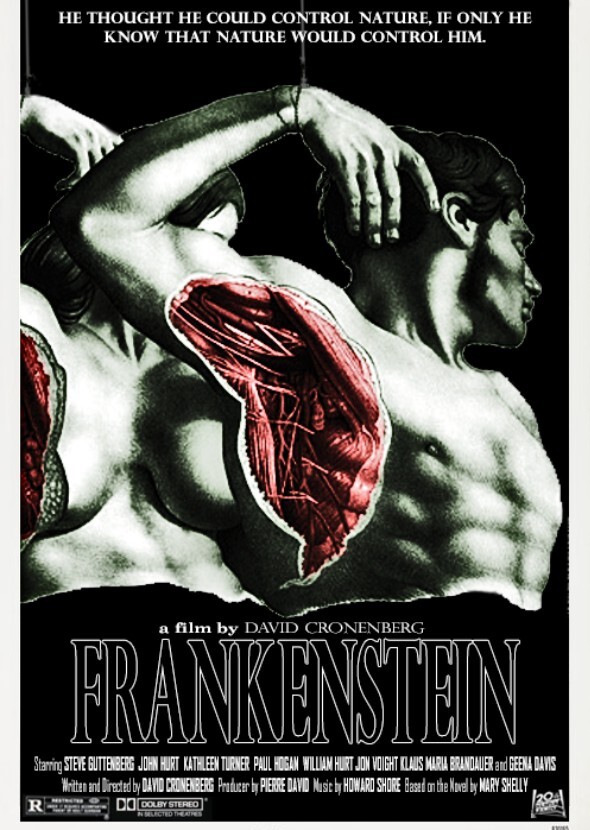
Not much is known about this project, except that it was proposed to David Cronenberg after he made The Fly in 1986 by producer Pierre David, who also produced Cronenberg's film "The Brood". It's surprising that this didn't happen, considering it is such an ideal match. While Mary Shelly's book isn't very body horror, the idea of creating a monster out of other people’s body parts is the basis of body horror. We know that Cronenberg wanted to stay closer to Shelley's version of the monster by making him a lot smarter and more sympathetic, like in the Bride of Frankenstein, so clearly, he wanted to do a more book-accurate film version of the tale. I'm fairly certain it would be set in the early 1800s, like the book was, and it would be interesting to see what Cronenberg would do with a period piece, as he has never done one other than Lunch, which was set in 1953. I imagine his version would be like a mix of the 1993 TV movie Frankenstein and Junji Ito's manga version of Frankenstein, with some influences from the Curse of Frankenstein (1957).
Evita Reboot
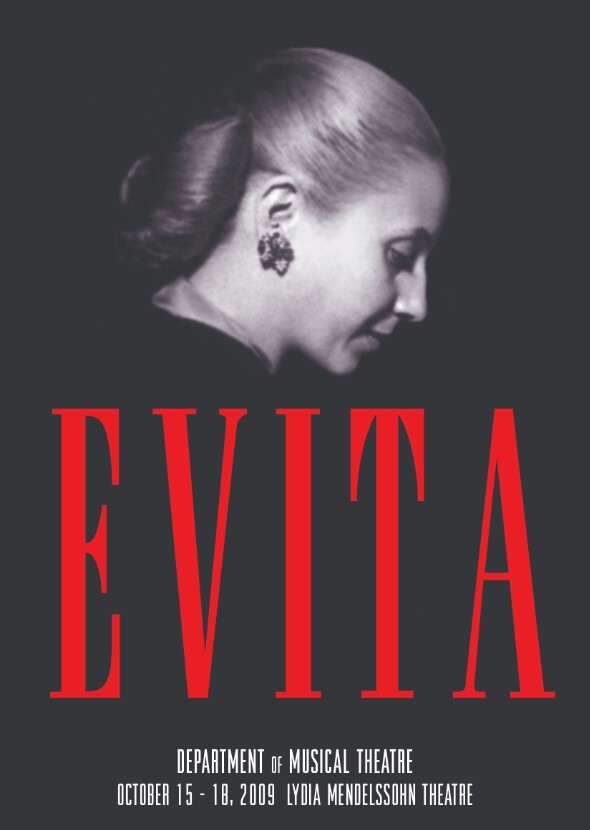
The 1976 Andrew Lloyd Webber and Tim Rice concept album is 48 years old, the stage musical is 46 years old, and the Alan Parker-directed, Madonna-starring movie is 28 years old. So I think it's time to reintroduce audiences to the story and music of Evita.
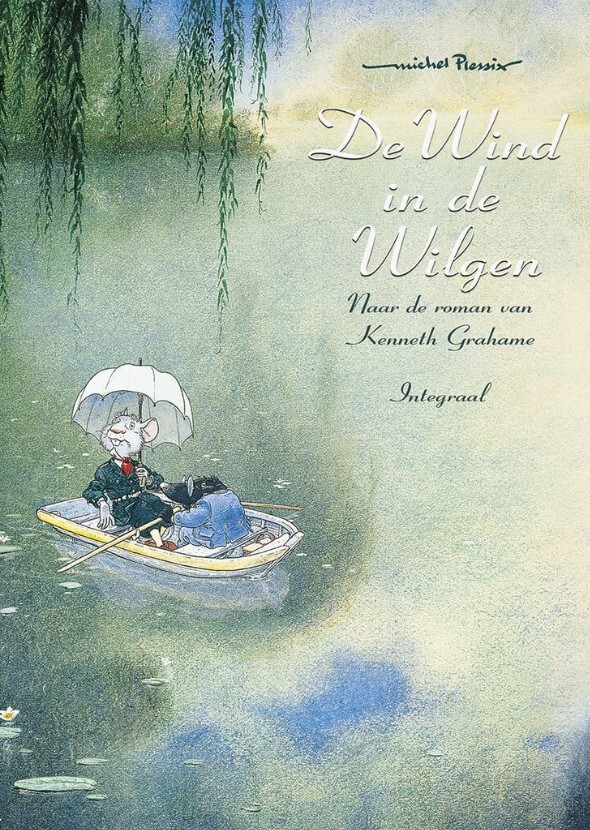
Kenneth Grahame's Wind In The Willows
I've been a lifelong fan of this story, and I've been planning my own perfect adaptation for well over ten years now. I want this to be fully animated, preferably in 2D animation, while still maintaining the style of the book. This would be much closer to the book than other versions and feature the Piper at the Gates of Dawn.
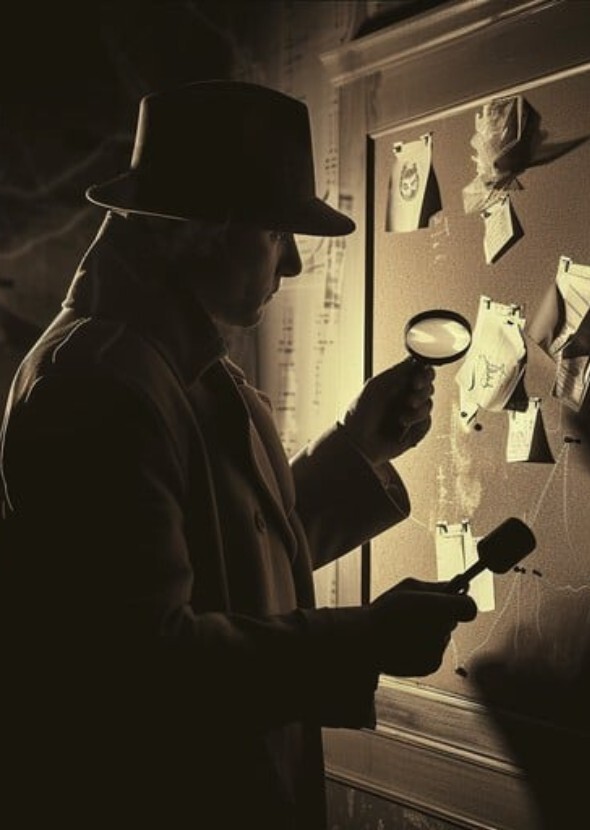
Famous Literary Detectives
If these Famous Fictional Detectives ever get another chance on screen with whole new interpretations, then "these" are people they should choose.
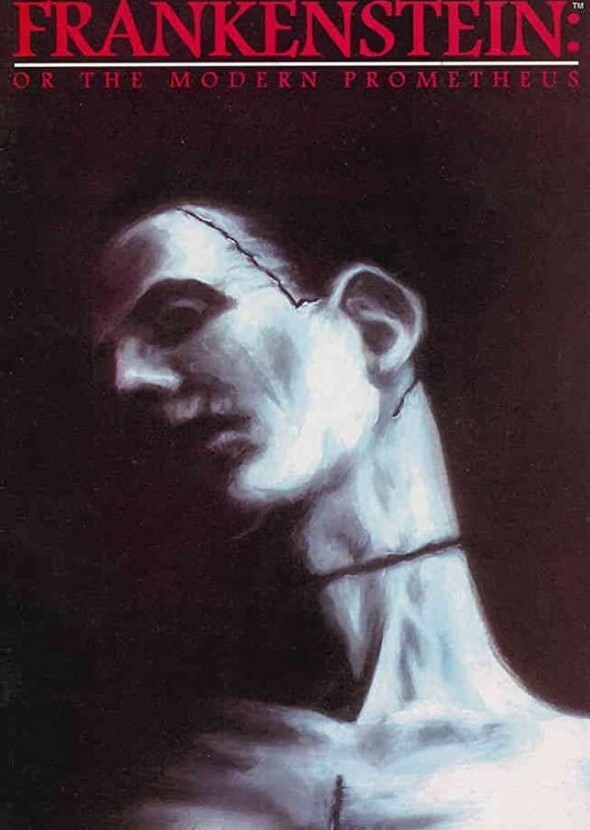
BBC's Frankenstein; or, The Modern Prometheus
This is a cast list for a mini-series adaptation of Mary Shelly's 1818 novel "Frankenstein; or, The Modern Prometheus" I would like to write when I'm older.