Age: 75
male
James Newton Howard is an American film composer, orchestrator and music producer. He has scored over 100 films and is the recipient of a Grammy Award, an Emmy Award, and nine nominations for Academy Awards. His film scores include Pretty Woman (1990), The Prince of Tides (1991), The Fugitive (1993), Space Jam (1996), The Sixth Sense (1999), Dinosaur (2000), Unbreakable (2000), Atlantis: The Lost Empire (2001), Signs (2002), Treasure Planet (2002), Peter Pan (2003), The Village (2004), King Kong (2005), Batman Begins (2005) and its sequel, The Dark Knight (2008) (both composed with Hans Zimmer), Blood Diamond (2006), Michael Clayton (2007), The Hunger Games series (2012–present), the Fantastic Beasts trilogy (2016–2022), and Raya and the Last Dragon (2021). He has collaborated extensively with directors M. Night Shyamalan and Francis Lawrence, having scored eight of Shyamalan's films and eight of Lawrence's films since I Am Legend (2007). He has also worked with other directors such as Peter Jackson, Edward Zwick, Michael Hoffman, P. J. Hogan, Paul Greengrass, Andrew Davis, Lawrence Kasdan, Joe Roth, Martin Campbell, Joe Johnston, Tony Gilroy, Taylor Hackford, Ivan Reitman, Joel Schumacher, and David Yates; conductor Pete Anthony; and violinists Bruce Dukov, and Eun-Mee Ahn.
James Newton Howard

Composer
for Composer in The Wind in the Willows
Suggested by Jeshisthename
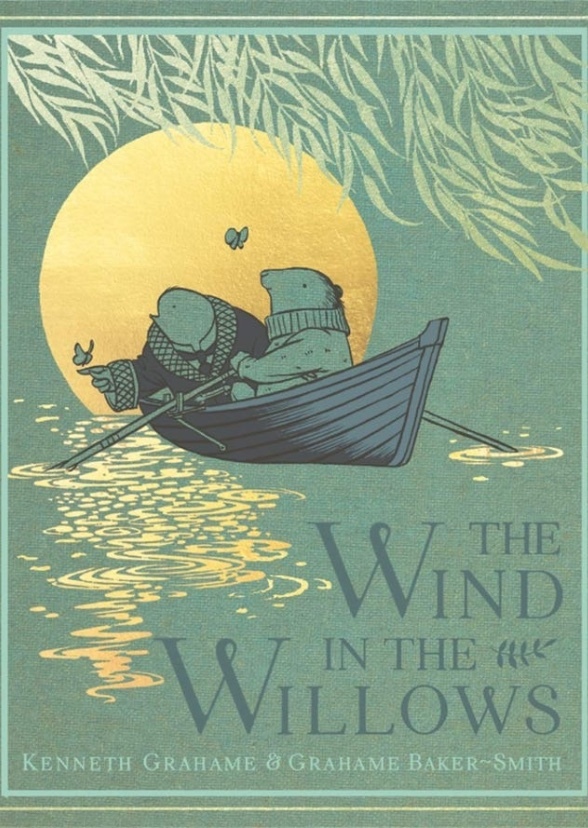
The Wind in the Willows is a classic children's novel by the British novelist Kenneth Grahame, first published in 1908. It details the story of Mole, Ratty, and Badger as they try to help Mr. Toad, after he becomes obsessed with motorcars and gets into trouble. It also details short stories about them that are disconnected from the main narrative. The novel was based on bedtime stories Grahame told his son Alastair. It has been adapted numerous times for both stage and screen. The Wind in the Willows received negative reviews upon its initial release, but it has since become a classic of British literature. It was listed at No. 16 in the BBC's survey The Big Read and has been adapted multiple times in different media.