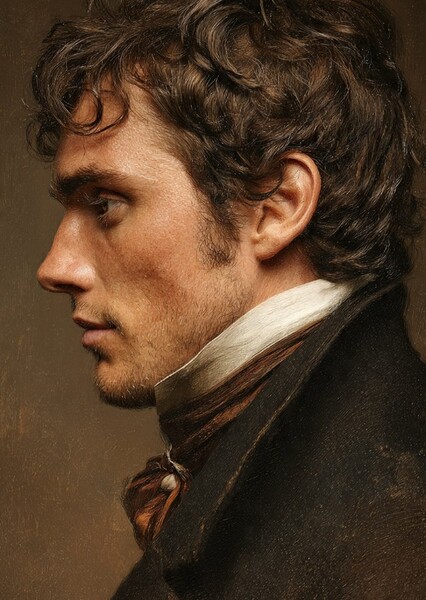
The film, "Story of The Monster," is a Gothic psychological drama that eschews the traditional literary biopic structure to focus on the brief, intensely creative, and tragic period in Mary Shelley's (née Godwin) life that led to the creation of Frankenstein. The story begins with Mary as a young, intellectual woman, fleeing her conventional life to enter a passionate, morally complex, and tumultuous relationship with the romantic poet Percy Bysshe Shelley. Their lives are a whirlwind of radical ideas, intellectual fire, and reckless emotional abandon.
The central narrative is set during the infamous "Year Without a Summer" (1816) when Mary, Percy, and Lord Byron were confined indoors at Villa Diodati. The film uses the dreary atmosphere, the competitive intellectualism, and the ghosts of Mary's own personal tragedies—including the loss of her infant child—to fuel her imagination. The Monster's creation is visualized not as a simple writing act, but as a direct, psychological manifestation of Mary's deepest fears: the horror of birth and death, the guilt of ambition, and the feeling of intellectual rejection. The story culminates with the publishing of Frankenstein, but the focus remains on the author's internal life—a woman who brought a profound, timeless horror to life by grappling with her own devastating grief and the isolation of her genius.