Age: 68
male
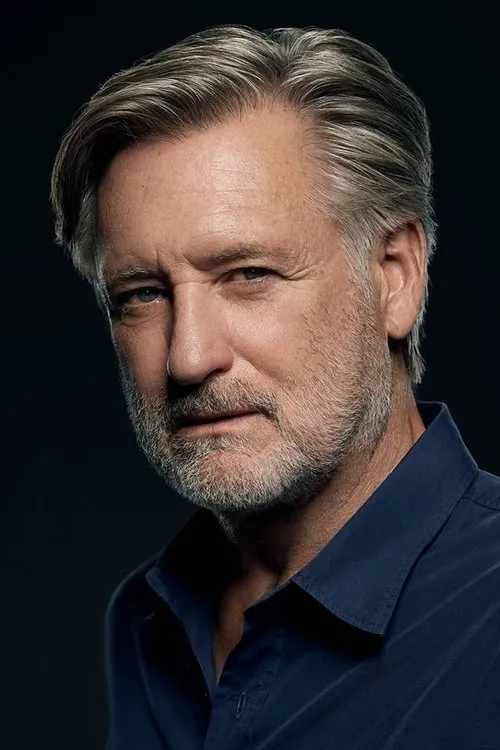
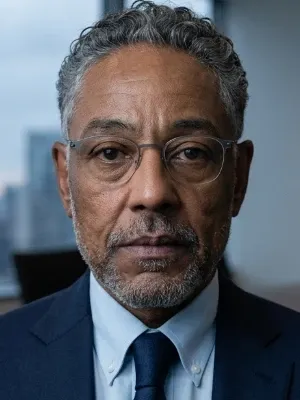
Giancarlo Giuseppe Alessandro Esposito (born April 26, 1958) is an American actor. He is known for portraying Gus Fring in the AMC crime drama series Breaking Bad from 2009 to 2011 and its prequel series Better Call Saul from 2017 to 2022. He won the Critics' Choice Television Award for Best Supporting Actor in a Drama Series twice for this role. He earned three nominations for the Primetime Emmy Award for Outstanding Supporting Actor in a Drama Series. His other television roles include federal agent Mike Giardello in the NBC series Homicide: Life on the Street (1998–1999), Sidney Glass / Magic Mirror in the ABC fantasy series Once Upon a Time (2011–2017), Tom Neville in the NBC series Revolution (2012–2014), Dr. Edward Ruskins in the Netflix series Dear White People (2017–2021), Stan Edgar in the Amazon series The Boys (2019–present) and The Boys Presents: Diabolical (2022), and Moff Gideon in the Disney+ series The Mandalorian (2019–2023), the lattermost of which earned him two Primetime Emmy Award nominations. He also portrayed Adam Clayton Powell Jr. in the MGM+ series Godfather of Harlem (2019–present), acted in the HBO drama series Westworld (2016), and starred in the Netflix television series Kaleidoscope (2023), The Gentlemen (2024), and The Residence (2025). He is also known for his collaboration with Spike Lee, acting in several of his films, such as School Daze (1988), Do the Right Thing (1989), Mo' Better Blues (1990), and Malcolm X (1992). His other major films include Taps (1981), King of New York (1990), Bob Roberts (1992), Fresh (1994), The Usual Suspects (1995), Ali (2001), Monkeybone (2001), Last Holiday (2006), Rabbit Hole (2010), Okja (2017), Megalopolis (2024), MaXXXine (2024), and Captain America: Brave New World (2025). He voiced Akela in the live-action remake of The Jungle Book (2016). Description above from the Wikipedia article Giancarlo Esposito, licensed under CC-BY-SA, full list of contributors on Wikipedia.
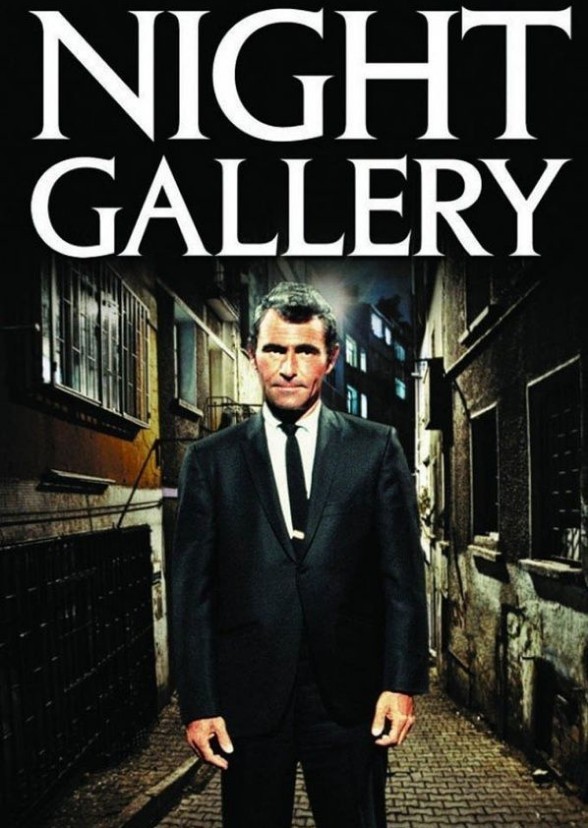
Night Gallery is an American anthology series that aired on NBC from 1969 to 1973, featuring stories of horror and the macabre. Rod Serling, who had gained fame from an earlier series, The Twilight Zone, served both as the on-air host of Night Gallery and as a major contributor of scripts, although he did not have the same control of content and tone as he had on The Twilight Zone. Serling viewed Night Gallery as a logical extension of The Twilight Zone, but while both series shared an interest in thought-provoking dark fantasy, more of Zone's offerings were science fiction while Night Gallery focused on horrors of the supernatural