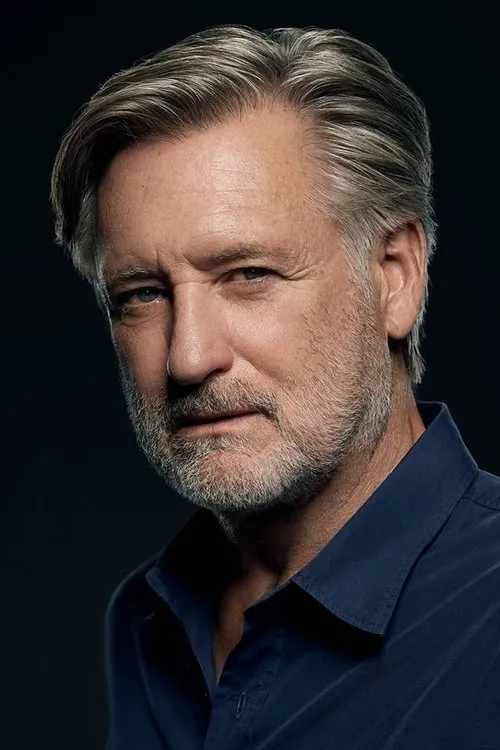
Age: 63
male
David Wheeler (born March 20, 1963), better known as David Thewlis, is an English actor and filmmaker. He is known as a character actor and has appeared in a wide variety of genres in both film and television. He has received the Cannes Film Festival Award for Best Actor and nominations for two BAFTA Awards, Golden Globe Award, Primetime Emmy Award and a Screen Actors Guild Award. Thewlis made his film debut in Little Dorrit (1987) and acted in the Mike Leigh films Life is Sweet (1990) and Naked (1993), winning the Cannes Film Festival Award for Best Actor for the latter. He then appeared in films such as Black Beauty (1994), Restoration (1995), James and the Giant Peach (1996), Dragonheart (1996), and Seven Years in Tibet (1997). He became more widely known to film audiences for his roles as Remus Lupin in the Harry Potter franchise (2004–2011) and Ares / Sir Patrick Morgan in Wonder Woman (2017). Other film roles include Kingdom of Heaven (2005), The Boy in the Striped Pyjamas (2008), War Horse (2011), The Theory of Everything (2014), Anomalisa (2015), I'm Thinking of Ending Things (2020), and Enola Holmes 2 (2022). Thewlis' most notable television roles include V. M. Varga in the third season of FX's Fargo (2017), the voice of the Shame Wizard in the Netflix animated sitcoms Big Mouth (2017–present) and Human Resources (2022–present), Christopher Edwards in the HBO miniseries Landscapers (2021), and John Dee in the Netflix drama series The Sandman (2022). His performance in Fargo earned him nominations for an Emmy, a Golden Globe, and a Critics' Choice Award.
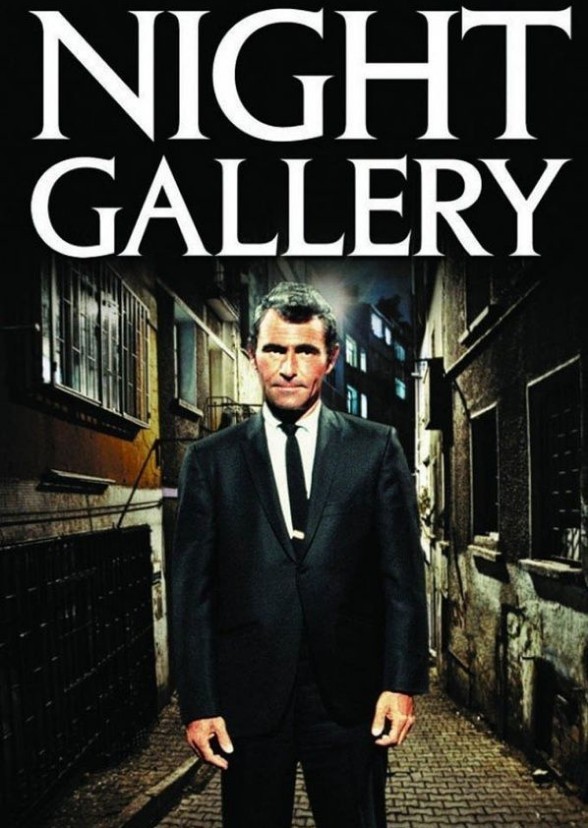
Night Gallery is an American anthology series that aired on NBC from 1969 to 1973, featuring stories of horror and the macabre. Rod Serling, who had gained fame from an earlier series, The Twilight Zone, served both as the on-air host of Night Gallery and as a major contributor of scripts, although he did not have the same control of content and tone as he had on The Twilight Zone. Serling viewed Night Gallery as a logical extension of The Twilight Zone, but while both series shared an interest in thought-provoking dark fantasy, more of Zone's offerings were science fiction while Night Gallery focused on horrors of the supernatural