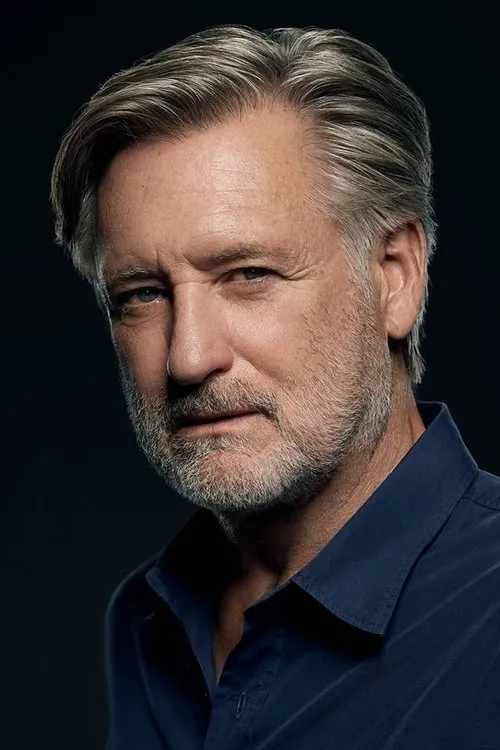
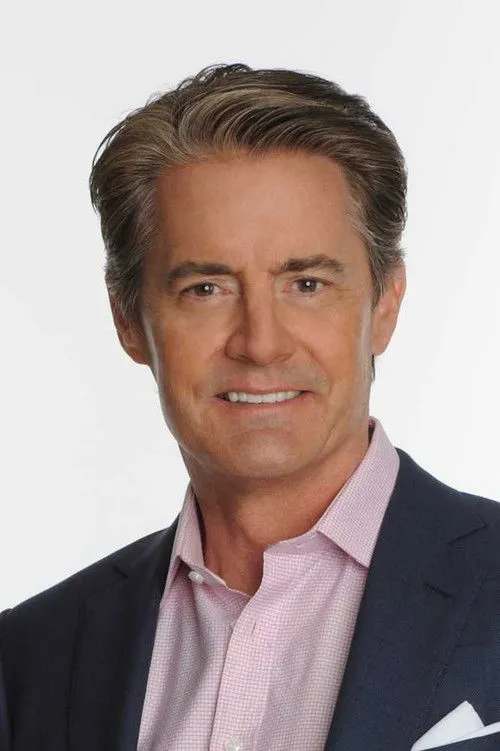
Age: 76
male
William Francis Nighy (born 12 December 1949) is an English actor. Known for his work on screen and stage, he has received numerous awards, including two BAFTA Awards, a Golden Globe Award and nominations for an Academy Award and a Tony Award. Nighy started his career with the Everyman Theatre, Liverpool and made his London debut with the Royal National Theatre starting with The Illuminatus! in 1977. There he gained acclaim for his roles in David Hare's Pravda in 1985, Harold Pinter's Betrayal in 1991, Tom Stoppard's Arcadia in 1993, and Anton Chekov's The Seagull in 1994. He received a Laurence Olivier Award for Best Actor nomination for his performance in Blue/Orange in 2001. He made his Broadway debut in Hare's The Vertical Hour in 2006, and returned in the 2015 revival of Hare's Skylight earning a Tony Award for Best Actor in a Play nomination. Early film roles include in the comedies Still Crazy (1998), and Blow Dry (1999) before his breakout role in Love Actually (2003) which earned him a BAFTA Award for Best Supporting Actor. He soon gained recognition portraying Davy Jones in the Pirates of the Caribbean film series (2006-2007), and Viktor in the Underworld film series (2003-2009). Other films include Shaun of the Dead (2004), The Hitchhiker's Guide to the Galaxy (2005), The Constant Gardener (2005), Notes on a Scandal (2006), Hot Fuzz (2007), Valkyrie (2008), Harry Potter and the Deathly Hallows – Part 1 (2010), The Best Exotic Marigold Hotel (2012), About Time (2013), Emma (2020), and Living (2022), the last of these earning him his first career Academy Award nomination. Nighy has gained acclaim for his roles in television earning a British Academy Television Award for Best Actor for his performance in BBC One series State of Play (2003), and a Golden Globe Award for Best Actor for the BBC film Gideon's Daughter (2007). He's also known for his roles in HBO's The Girl in the Café (2006) and PBS's Page Eight (2012).
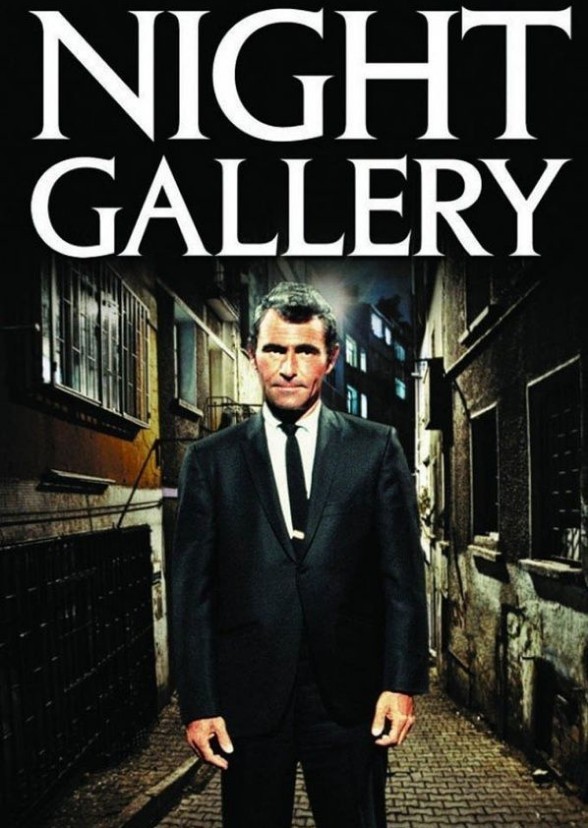
Night Gallery is an American anthology series that aired on NBC from 1969 to 1973, featuring stories of horror and the macabre. Rod Serling, who had gained fame from an earlier series, The Twilight Zone, served both as the on-air host of Night Gallery and as a major contributor of scripts, although he did not have the same control of content and tone as he had on The Twilight Zone. Serling viewed Night Gallery as a logical extension of The Twilight Zone, but while both series shared an interest in thought-provoking dark fantasy, more of Zone's offerings were science fiction while Night Gallery focused on horrors of the supernatural