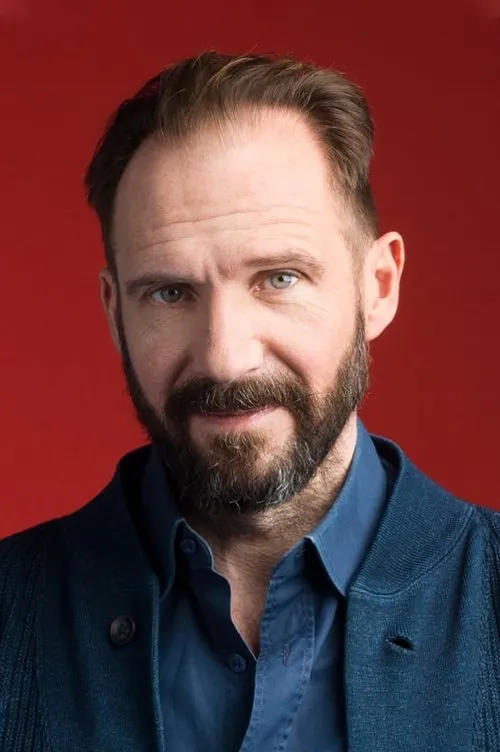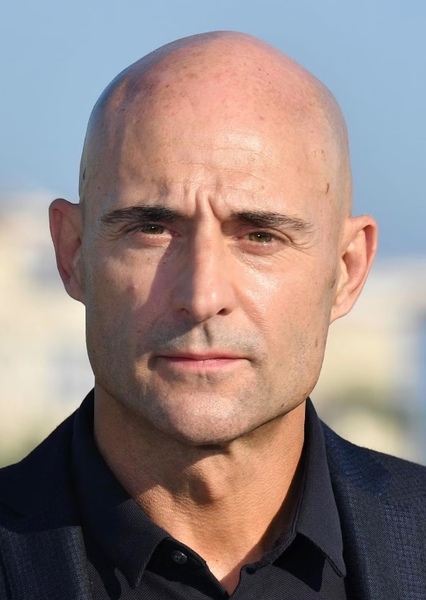
Age: 59
male
Benicio Monserrate Rafael del Toro Sánchez (Latin American Spanish: [beˈnisjo ðel ˈtoɾo]; born February 19, 1967) is a Puerto Rican actor. His accolades include an Academy Award, a BAFTA Award, a Golden Globe, a Goya Award, a Cannes Film Festival Award for Best Actor, and a Silver Bear. Films in which he has appeared have grossed over $5.9 billion worldwide. Del Toro made his film debut in Big Top Pee-wee (1988) before his breakout role playing an unintelligible crook in the crime thriller The Usual Suspects (1995), followed by roles in Basquiat (1996), Fear and Loathing in Las Vegas (1998), and Snatch (2000). He received the Academy Award for Best Supporting Actor for his role as a morally upright police officer in the Steven Soderbergh crime drama Traffic (2000). He was nominated in the same category for his role as an ex-con in Alejandro González Iñárritu's thriller 21 Grams (2003). He has since acted in Sin City (2005), Che (2008), Savages (2012), Inherent Vice (2014), Sicario (2015), No Sudden Move (2021), and One Battle After Another (2025). He also took on franchise roles such as Lawrence Talbot in The Wolfman (2010), the Collector in three films from 2013 to 2018 in the Marvel Cinematic Universe, and DJ, the codebreaker, in Star Wars: The Last Jedi (2017). He also acted in the Wes Anderson films The French Dispatch (2021) and The Phoenician Scheme (2025). On television, he portrayed Richard Matt in the Showtime miniseries Escape at Dannemora (2018), for which he received a nomination for the Primetime Emmy Award for Outstanding Lead Actor in a Limited Series or Movie. Description above from the Wikipedia article Benicio del Toro, licensed under CC-BY-SA, full list of contributors on Wikipedia.

In Ancient Greece, after imprisoning the Titans beneath the ocean, the rulers of the Greek gods, Zeus and his wife Hera, have a son named Hercules on Mount Olympus. While the other gods are joyful, Zeus' jealous brother Hades plots to overthrow Zeus and rule Olympus. Turning to the Fates for help, Hades learns that in eighteen years, a planetary alignment will allow him to locate and free the Titans to conquer Olympus, but only if Hercules does not interfere. Hades sends his minions Pain and Panic to dispose of Hercules. The two succeed at kidnapping the infant and feeding him a formula that turns him mortal, but fail to remove his superhuman strength before Hercules is found and adopted by the farmers Amphitryon and Alcmene. Years later, the teenage Hercules becomes an outcast due to his strength, and wonders where he came from. After his foster parents reveal the necklace they found him with, Hercules decides to visit the temple of Zeus for answers. The temple's statue of Zeus comes to life and reveals all to Hercules, telling him that he can regain his godhood by becoming a true hero. Zeus sends Hercules and his forgotten infant friend Pegasus to find the satyr Philoctetes—"Phil" for short—who is known for training heroes. They meet Phil, who has retired due to numerous disappointments, but Hercules inspires him to follow his dream to train a true hero that will be recognized by the gods. Phil trains Hercules into a potential hero, and then they headed towards Thebes. On the way, they meet Megara—"Meg" for short—a sarcastic damsel whom Hercules saves from the centaur Nessus. After Hercules and the others leave, Meg is revealed to be Hades' minion, who sold her soul to him to save an unfaithful lover. Arriving in Thebes, Hercules is turned down by the downtrodden citizens until Meg appears, saying that two boys have become trapped in a gorge. Hercules saves them, unaware that they are Pain and Panic in disguise, and unwittingly releases the Hydra. Hercules defeats it and becomes a celebrated hero, but despite Hercules' growing fame and defeating every subsequent monster Hades unleashes, Zeus tells him he is not yet a "true" hero. Saddened and frustrated, Hercules spends a day out with Meg, who falls in love with him. Hades learns of this and on the eve of his takeover, he holds Meg hostage and offers her in exchange for Hercules surrendering his powers for a day. On the condition that Meg will be unharmed, he accepts, and is heartbroken when Hades reveals that Meg was working for him. Hades unleashes the Titans, who climb Olympus and capture the gods, while a Cyclops goes to Thebes to kill Hercules. Hercules defeats the cyclops; Meg then saves him from a falling pillar and is mortally injured. This breaks Hades' promise that Meg would not be harmed, and allows Hercules to regain his strength. Hercules and Pegasus fly to Olympus where they free the gods and vanquish the Titans, but Meg dies before he returns to her. With Meg's soul now Hades' property, Hercules breaks into the Underworld and offers to free Meg from the Styx in exchange for his own life. His willingness to sacrifice himself restores his godhood and immortality before the life-draining river can kill him; he rescues Meg and punches Hades into the Styx, where irate souls pull him under. After reviving Meg, she and Hercules are summoned to Olympus, where Zeus and Hera welcome their son home. However, Hercules chooses to remain on Earth with Meg in lieu of living on Olympus. Hercules and his friends return to Thebes, where they watch Zeus etch Hercules' image into the stars to commemorate his heroism.