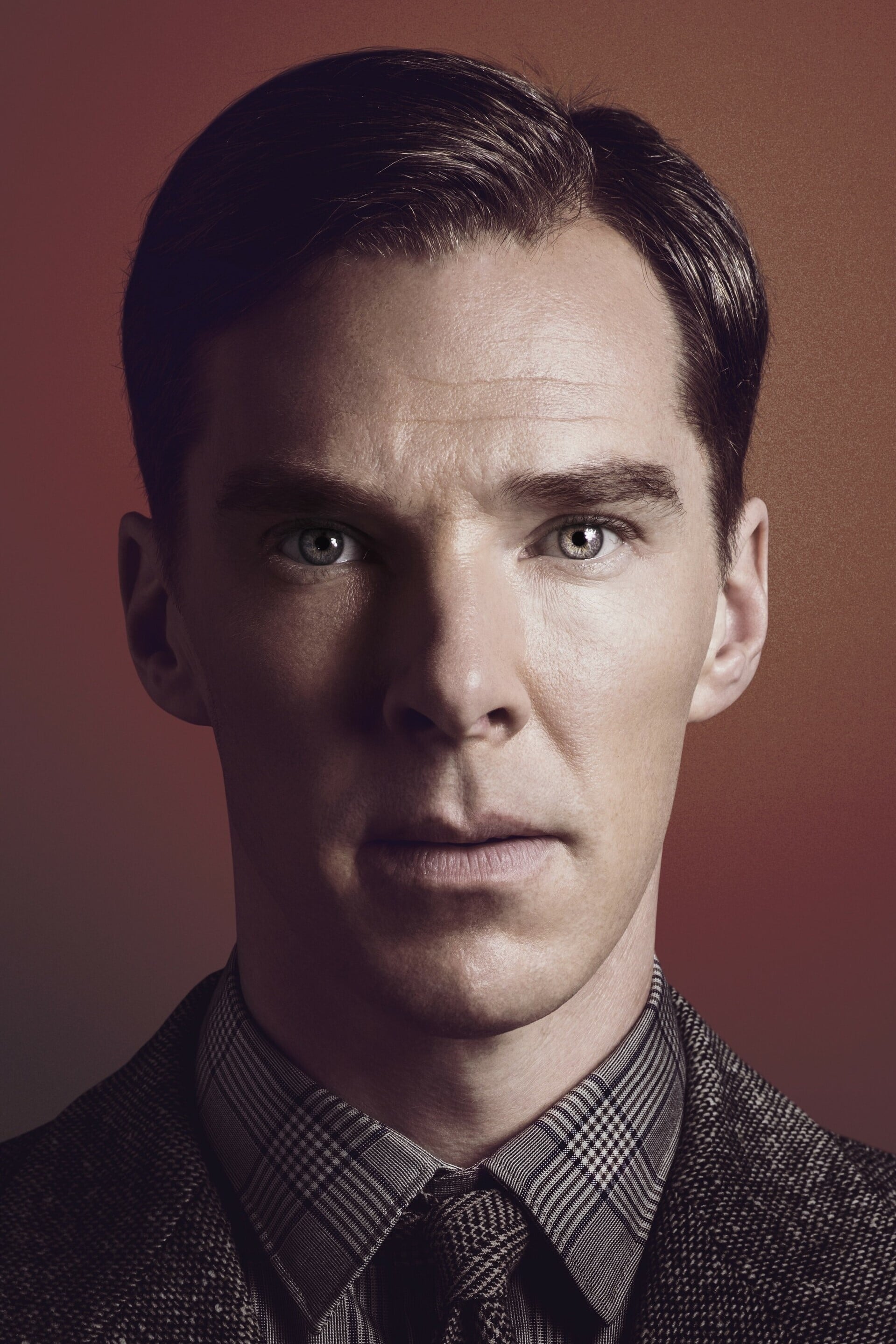
Age: 55
female
Sofia Carmina Coppola (/ˈkoʊpələ/ KOH-pə-lə, Italian: [soˈfiːa ˈkɔppola]; born May 14, 1971) is an American filmmaker and former actress. She has won an Academy Award, two Golden Globe Awards, a Golden Lion, and a Cannes Film Festival Award. She was also nominated for three BAFTA Awards, as well as a Primetime Emmy Award. Her parents are filmmakers Eleanor and Francis Ford Coppola, and she made her acting debut as an infant in her father's acclaimed crime drama The Godfather (1972). Coppola later appeared in several music videos and had a supporting role in the fantasy comedy film Peggy Sue Got Married (1986). She then portrayed Mary Corleone, the daughter of Michael Corleone, in the sequel The Godfather Part III (1990). Coppola transitioned into filmmaking with her feature-length directorial debut in the coming-of-age drama The Virgin Suicides (1999). It was the first of her collaborations with actress Kirsten Dunst. Her films often deal with themes of loneliness, wealth, privilege, isolation, youth, femininity, and adolescence in America. Coppola received the Academy Award for Best Original Screenplay for the comedy-drama Lost in Translation (2003), and was nominated for the Academy Award for Best Director, becoming the third woman to do so. She has since directed the historical drama Marie Antoinette (2006), the family drama Somewhere (2010), the satirical crime drama The Bling Ring (2013), the southern gothic thriller The Beguiled (2017), the comedy On the Rocks (2020), and the biographical drama Priscilla (2023). In 2015, Coppola released the Netflix Christmas musical comedy special A Very Murray Christmas, which earned her a nomination for the Primetime Emmy Award for Outstanding Television Movie. Description above from the Wikipedia article Sofia Coppola, licensed under CC-BY-SA, full list of contributors on Wikipedia.
Sofia Coppola

Generation X
for Generation X in Best by Generation
Suggested by gustavosoaresdemorales

The Strauss–Howe generational theory, devised by William Strauss and Neil Howe, describes a theorized recurring generation cycle in American history and Western history. According to the theory, historical events are associated with recurring generational personas (archetypes). Each generational persona unleashes a new era (called a turning) lasting around 20–25 years, in which a new social, political, and economic climate (mood) exists. An average life is 80 years and consists of four periods of ~20–22 years Childhood → Young adult → Midlife → Elderhood A generation is an aggregate of people born every ~20–22 years Baby Boomers → Gen X → Millennials → Homelanders Each generation experiences "four turnings" every ~80–90 years High → Awakening → Unraveling → Crisis A generation is considered "dominant" or "recessive" according to the turning experienced as young adults. But as a youth generation comes of age and defines its collective persona an opposing generational archetype is in its midlife peak of power. Dominant: independent behavior + attitudes in defining an era Recessive: dependent role in defining an era https://en.wikipedia.org/wiki/Strauss%E2%80%93Howe_generational_theory