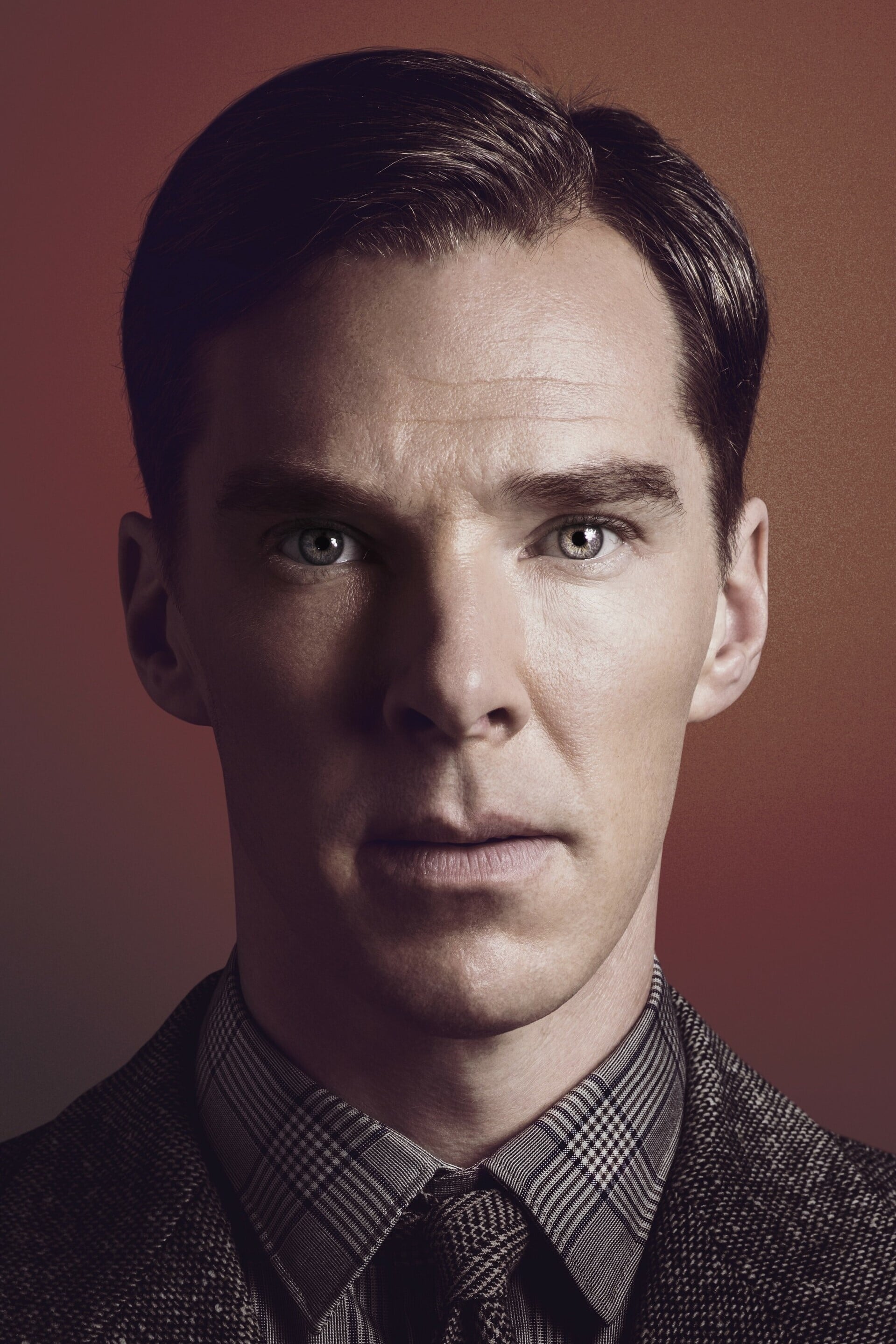
Age: 47
male
James McAvoy (born April 21, 1979) is a Scottish actor. He made his acting debut as a teen in The Near Room (1995) and appeared mostly on television until 2003, when his feature film career began. His notable television work includes the thriller State of Play, science fiction miniseries Frank Herbert's Children of Dune and the channel 4s BAFTA award-winning series Shameless (British TV series) He has performed in several West End productions and has received four nominations for the Laurence Olivier Award for Best Actor, and has also done voice work for animated films including Gnomeo & Juliet, its sequel Sherlock Gnomes, and Arthur Christmas. In 2003, McAvoy appeared in a lead role in Bollywood Queen, then in another lead role as Rory in Inside I'm Dancing in 2004. This was followed by a supporting role, as the faun Mr. Tumnus, in The Chronicles of Narnia: The Lion, the Witch and the Wardrobe (2005). His performance in Kevin Macdonald's drama The Last King of Scotland (2006) garnered him several award nominations, including the BAFTA Award for Best Supporting Actor. The critically acclaimed romantic drama war film Atonement (2007) earned him a Golden Globe Award nomination and his second BAFTA nomination. He later appeared as a newly trained assassin in the action thriller Wanted (2008). In 2011, McAvoy portrayed Professor Charles Xavier in the superhero film X-Men: First Class, a role he reprised in X-Men: Days of Future Past (2014), X-Men: Apocalypse (2016), Deadpool 2 (2018), and Dark Phoenix (2019). McAvoy starred in the crime comedy-drama film Filth (2013), for which he won Best Actor in the British Independent Film Awards. In 2016, he portrayed Kevin Wendell Crumb, a man with 23 alternate personalities, in M. Night Shyamalan's Split, for which he received critical acclaim, and later reprised the role for the sequel Glass (2019). Since 2019, he has portrayed Lord Asriel Belacqua in the BBC/HBO fantasy series His Dark Materials.
James McAvoy

Generation X
for Generation X in Best by Generation
Suggested by gustavosoaresdemorales

The Strauss–Howe generational theory, devised by William Strauss and Neil Howe, describes a theorized recurring generation cycle in American history and Western history. According to the theory, historical events are associated with recurring generational personas (archetypes). Each generational persona unleashes a new era (called a turning) lasting around 20–25 years, in which a new social, political, and economic climate (mood) exists. An average life is 80 years and consists of four periods of ~20–22 years Childhood → Young adult → Midlife → Elderhood A generation is an aggregate of people born every ~20–22 years Baby Boomers → Gen X → Millennials → Homelanders Each generation experiences "four turnings" every ~80–90 years High → Awakening → Unraveling → Crisis A generation is considered "dominant" or "recessive" according to the turning experienced as young adults. But as a youth generation comes of age and defines its collective persona an opposing generational archetype is in its midlife peak of power. Dominant: independent behavior + attitudes in defining an era Recessive: dependent role in defining an era https://en.wikipedia.org/wiki/Strauss%E2%80%93Howe_generational_theory