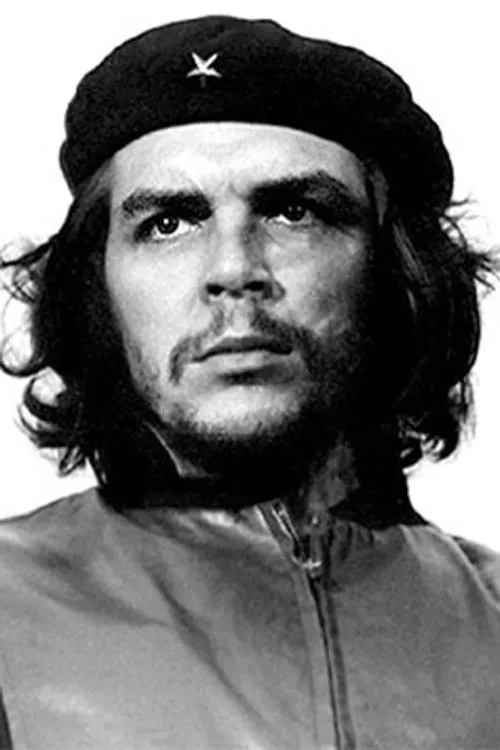
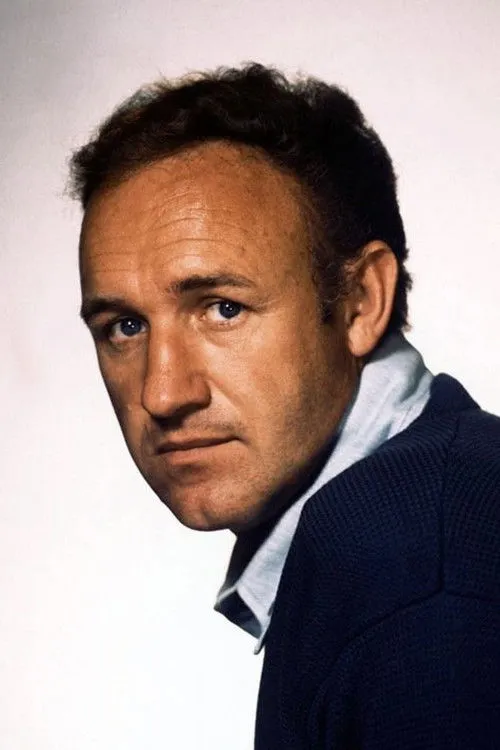
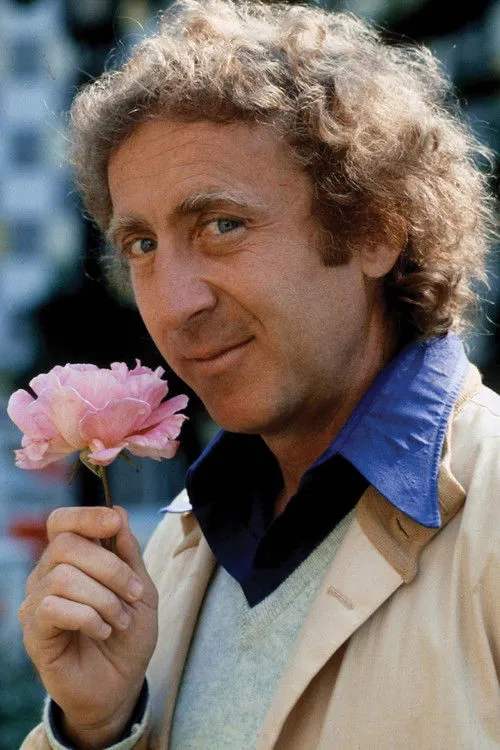
Died at 86
male
Sir John Vincent Hurt (January 22, 1940 – January 25, 2017) was an English actor whose career spanned over five decades. He came to prominence for his role as Richard Rich in the film A Man for All Seasons (1966) and gained BAFTA Award nominations for his portrayals of Timothy Evans in 10 Rillington Place (1971) and Quentin Crisp in television film The Naked Civil Servant (1975) – winning his first BAFTA for the latter. He played Caligula in the BBC TV series I, Claudius (1976). Hurt's performance in the prison drama Midnight Express (1978) brought him international renown and earned Golden Globe and BAFTA Awards, along with an Academy Award nomination. His BAFTA-nominated portrayal of astronaut Kane, in the science-fiction horror film Alien (1979), notably included a scene where an alien creature burst out of his chest, named by several publications as one of the most memorable moments in cinema history. Hurt earned his third competitive BAFTA, along with his second Oscar and Golden Globe nominations, as Joseph Merrick in David Lynch's biopic The Elephant Man (1980). Other significant roles during the 1980s included Bob Champion in biopic Champions (1984), Mr. Braddock in the Stephen Frears drama The Hit (1984), Winston Smith in Nineteen Eighty-Four (1984) and Stephen Ward in the drama depicting the Profumo affair, Scandal (1989). Hurt was again BAFTA-nominated for his work in Irish drama The Field (1990) and played the primary villain, James Graham, in the epic adventure Rob Roy (1995). His later films include the Harry Potter film series (2001–11), the Hellboy films (2004 and 2008), supernatural thriller The Skeleton Key (2005), western The Proposition (2005), political thriller V for Vendetta (2005), action adventure Indiana Jones and the Kingdom of the Crystal Skull (2008), sci-fi action Outlander (2008) and the Cold War espionage film Tinker Tailor Soldier Spy (2011). Hurt reprised his role as Quentin Crisp in An Englishman in New York (2009), which brought his seventh BAFTA nomination. He portrayed the War Doctor in the BBC TV series Doctor Who's 50th anniversary special, "The Day of the Doctor", in 2013. Hurt was regarded as one of Britain's finest actors; director David Lynch described him as "simply the greatest actor in the world". He possessed what was described as the "most distinctive voice in Britain", likened by The Observer to "nicotine sieved through dirty, moonlit gravel". His voice acting career encompassed films such as Watership Down (1978), The Lord of the Rings (1978), The Plague Dogs (1982), The Black Cauldron (1985), Dogville (2003) and Planet Dinosaur (2011) as well as BBC TV series Merlin (2008–2012). In 2012, he was honoured with the Lifetime Achievement BAFTA Award, in recognition of his "outstanding contribution to cinema". He was knighted in 2015 for his services to drama.
John Hurt

Silent Generation
for Silent Generation in Best by Generation
Suggested by gustavosoaresdemorales

The Strauss–Howe generational theory, devised by William Strauss and Neil Howe, describes a theorized recurring generation cycle in American history and Western history. According to the theory, historical events are associated with recurring generational personas (archetypes). Each generational persona unleashes a new era (called a turning) lasting around 20–25 years, in which a new social, political, and economic climate (mood) exists. An average life is 80 years and consists of four periods of ~20–22 years Childhood → Young adult → Midlife → Elderhood A generation is an aggregate of people born every ~20–22 years Baby Boomers → Gen X → Millennials → Homelanders Each generation experiences "four turnings" every ~80–90 years High → Awakening → Unraveling → Crisis A generation is considered "dominant" or "recessive" according to the turning experienced as young adults. But as a youth generation comes of age and defines its collective persona an opposing generational archetype is in its midlife peak of power. Dominant: independent behavior + attitudes in defining an era Recessive: dependent role in defining an era https://en.wikipedia.org/wiki/Strauss%E2%80%93Howe_generational_theory