Age: 86
male
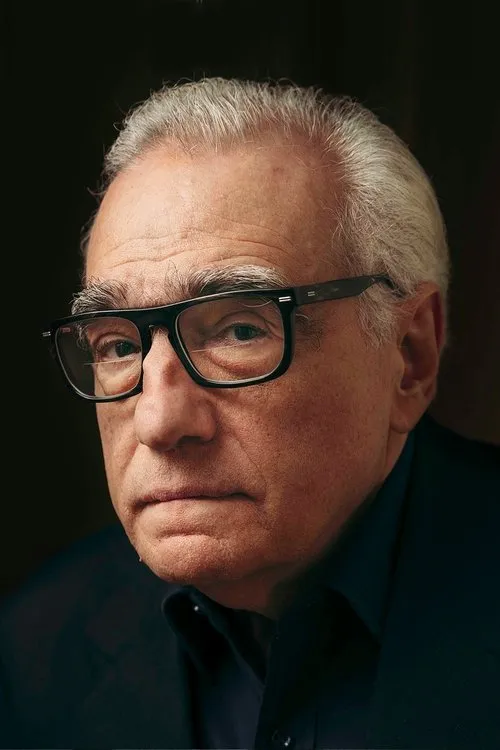
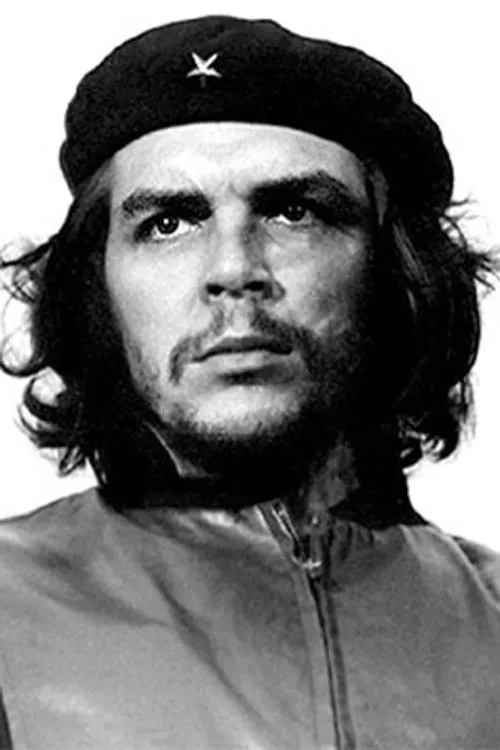
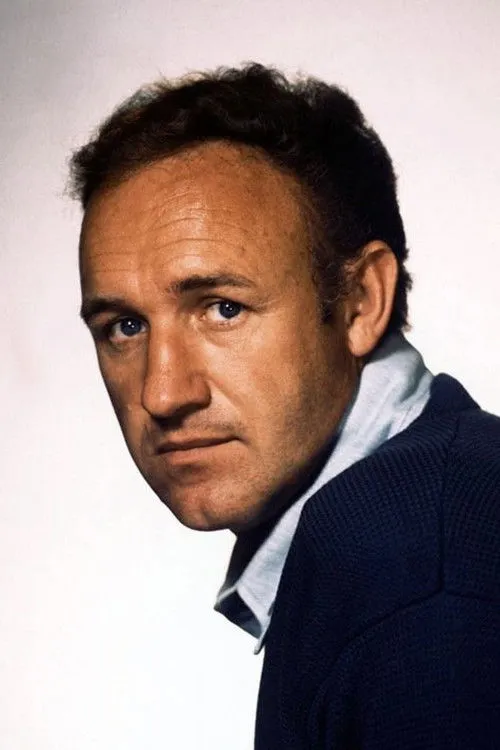
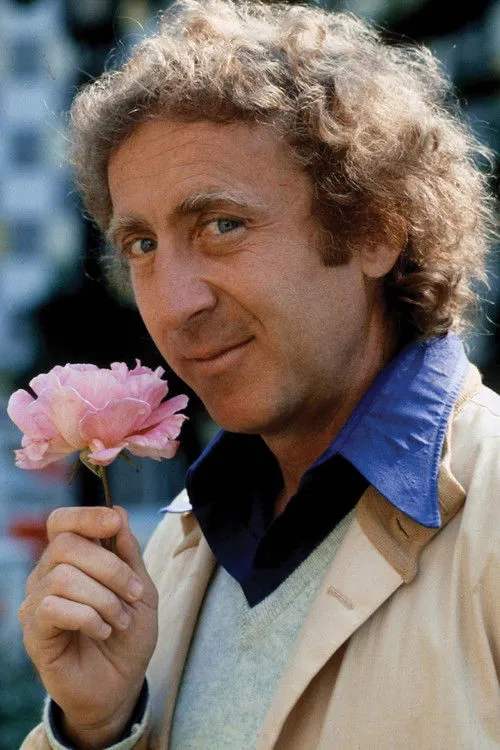
F. Murray Abraham (born Murray Abraham; October 24, 1939) is an American actor. Known for his roles on stage and screen, he has received an Academy Award and a Golden Globe Award as well as nominations for a BAFTA Award, four Emmy Awards, and a Grammy Award. He became famous for portraying Antonio Salieri in the drama film Amadeus (1984), for which he won an Academy Award for Best Actor. Abraham debuted on Broadway in the 1968 play The Man in the Glass Booth. He received the Obie Award for Outstanding Performance for his roles in Anton Chekhov's Uncle Vanya (1984) and William Shakespeare's The Merchant of Venice (2011). He returned to Broadway in the revival of Terrence McNally's comedy It's Only a Play (2014), receiving a Drama Desk Award for Outstanding Featured Actor in a Play nomination. He has appeared in many roles, both leading and supporting, in films such as All the President's Men (1976), Scarface (1983), The Name of the Rose (1986), Last Action Hero (1993), Mighty Aphrodite (1995), Dillinger and Capone (1995), Star Trek: Insurrection (1998), Finding Forrester (2000), Inside Llewyn Davis (2013), The Grand Budapest Hotel (2014), Isle of Dogs (2018) and How to Train Your Dragon: The Hidden World (2019). He was a regular cast member on the Showtime drama series Homeland (2012–2018), which earned him two nominations for the Primetime Emmy Award for Outstanding Guest Actor in a Drama Series. He also acted in Louie (2011–2014), Mythic Quest (2020–2021), Moon Knight (2022) and The White Lotus (2022), with the latter earning him nominations for the Golden Globe Award and the Primetime Emmy Award. Description above from the Wikipedia article F. Murray Abraham, licensed under CC-BY-SA, full list of contributors on Wikipedia.
F. Murray Abraham

Silent Generation
for Silent Generation in Best by Generation
Suggested by gustavosoaresdemorales

The Strauss–Howe generational theory, devised by William Strauss and Neil Howe, describes a theorized recurring generation cycle in American history and Western history. According to the theory, historical events are associated with recurring generational personas (archetypes). Each generational persona unleashes a new era (called a turning) lasting around 20–25 years, in which a new social, political, and economic climate (mood) exists. An average life is 80 years and consists of four periods of ~20–22 years Childhood → Young adult → Midlife → Elderhood A generation is an aggregate of people born every ~20–22 years Baby Boomers → Gen X → Millennials → Homelanders Each generation experiences "four turnings" every ~80–90 years High → Awakening → Unraveling → Crisis A generation is considered "dominant" or "recessive" according to the turning experienced as young adults. But as a youth generation comes of age and defines its collective persona an opposing generational archetype is in its midlife peak of power. Dominant: independent behavior + attitudes in defining an era Recessive: dependent role in defining an era https://en.wikipedia.org/wiki/Strauss%E2%80%93Howe_generational_theory