Age: 83
male
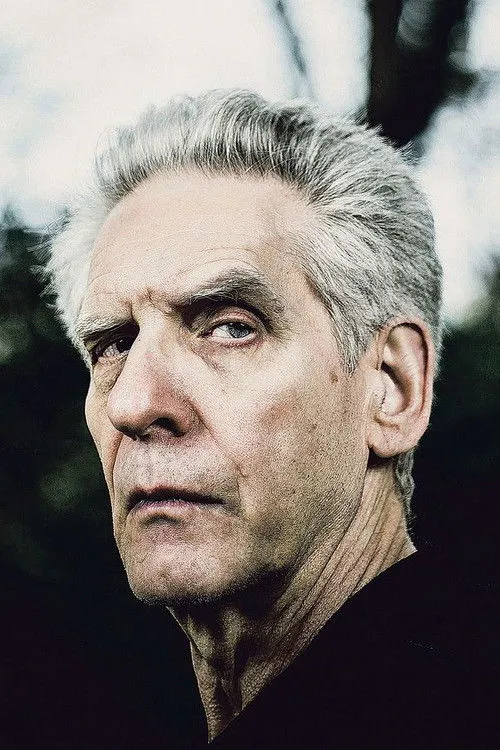
David Paul Cronenberg (born 15 March 1943) is a Canadian film director, screenwriter, producer and actor. He is a principal originator of the body horror genre, with his films exploring visceral bodily transformation, infectious diseases, and the intertwining of the psychological, physical, and technological. Cronenberg is best known for exploring these themes through sci-fi horror films such as Shivers (1975), Scanners (1981), Videodrome (1983), and The Fly (1986). However, he has also directed dramas, psychological thrillers, and gangster films. Cronenberg's films have polarized critics and audiences; he has earned critical acclaim and sparked controversy for his depictions of gore and violence. The Village Voice called him "the most audacious and challenging narrative director in the English-speaking world". His films have won numerous awards, including the Special Jury Prize for Crash at the 1996 Cannes Film Festival, a unique award that is distinct from the Jury Prize as it is not given annually but only at the request of the official jury, who in this case gave the award "for originality, for daring, and for audacity". From the 2000s to the 2020s, Cronenberg collaborated on several films with Viggo Mortensen, including A History of Violence (2005), Eastern Promises (2007), A Dangerous Method (2011) and Crimes of the Future (2022). Seven of his films were selected to compete for the Palme d'Or, the most recent being The Shrouds (2024), which was screened at the 2024 Cannes Film Festival. Description above from the Wikipedia article David Cronenberg, licensed under CC-BY-SA, is a full list of contributors on Wikipedia.
David Cronenberg

Silent Generation
for Silent Generation in Best by Generation
Suggested by gustavosoaresdemorales

The Strauss–Howe generational theory, devised by William Strauss and Neil Howe, describes a theorized recurring generation cycle in American history and Western history. According to the theory, historical events are associated with recurring generational personas (archetypes). Each generational persona unleashes a new era (called a turning) lasting around 20–25 years, in which a new social, political, and economic climate (mood) exists. An average life is 80 years and consists of four periods of ~20–22 years Childhood → Young adult → Midlife → Elderhood A generation is an aggregate of people born every ~20–22 years Baby Boomers → Gen X → Millennials → Homelanders Each generation experiences "four turnings" every ~80–90 years High → Awakening → Unraveling → Crisis A generation is considered "dominant" or "recessive" according to the turning experienced as young adults. But as a youth generation comes of age and defines its collective persona an opposing generational archetype is in its midlife peak of power. Dominant: independent behavior + attitudes in defining an era Recessive: dependent role in defining an era https://en.wikipedia.org/wiki/Strauss%E2%80%93Howe_generational_theory