Died at 122
male
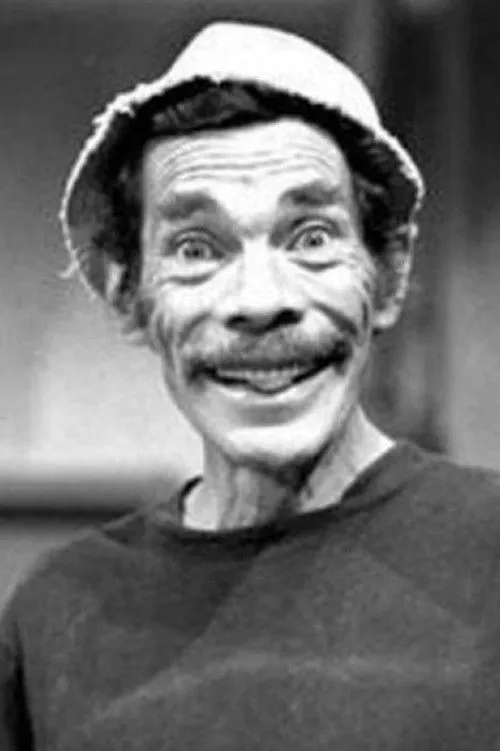
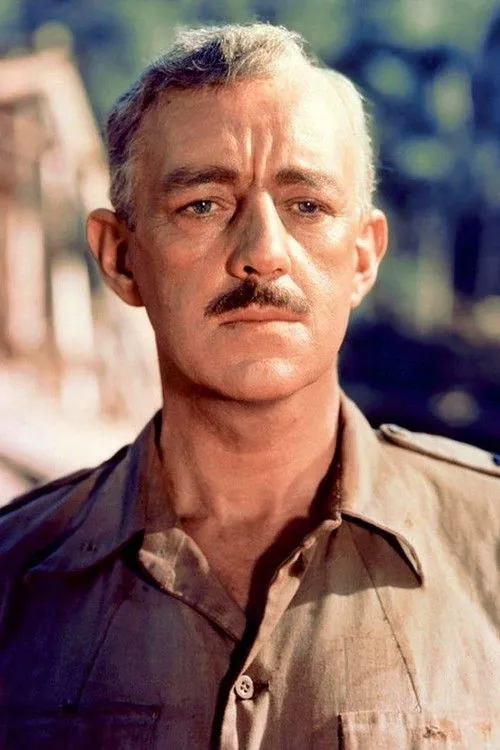
Cary Grant (born Archibald Alec Leach; January 18, 1904 – November 29, 1986) was a British-American actor, celebrated for his debonair charm, impeccable comic timing, and sophisticated screen presence. He became one of Hollywood’s most iconic leading men, starring in classics such as Bringing Up Baby (1938), His Girl Friday (1940), Notorious (1946), and North by Northwest (1959). Grant had a difficult childhood, marked by his mother’s institutionalization and his father’s alcoholism. At 16, he joined the Pender Troupe, a group of acrobats, which led him to New York City, where he built a career in vaudeville before transitioning to Hollywood in the early 1930s. His breakthrough came with screwball comedies, where his witty delivery and effortless charisma made him a favorite among audiences. He worked with legendary directors such as Howard Hawks, Alfred Hitchcock, and George Cukor, solidifying his reputation as a versatile and enduring star. Grant was married five times, but his longtime companionship with fellow actor Randolph Scott fueled speculation about his sexuality. The two lived together for over a decade, sharing a home in Los Angeles, which led to rumors that they were romantically involved. While Grant never publicly addressed these claims, some biographers suggest that his relationship with Scott was more than just friendship. Despite the speculation, Grant maintained a carefully curated public image, often portraying the ideal romantic lead opposite Hollywood’s most glamorous actresses, including Katharine Hepburn, Ingrid Bergman, and Grace Kelly. Grant retired from acting in 1966, choosing to focus on business ventures and his family. He received an Academy Honorary Award in 1970 and was honored with the Kennedy Center Award in 1981. He passed away on November 29, 1986, at the age of 82. His legacy remains unmatched, with the American Film Institute ranking him as the second greatest male star of Hollywood’s Golden Age. His timeless appeal, effortless sophistication, and enigmatic personal life continue to fascinate audiences and film historians alike.
Cary Grant

Greatest Generation (GI Generation)
for Greatest Generation (GI Generation) in Best by Generation
Suggested by gustavosoaresdemorales

The Strauss–Howe generational theory, devised by William Strauss and Neil Howe, describes a theorized recurring generation cycle in American history and Western history. According to the theory, historical events are associated with recurring generational personas (archetypes). Each generational persona unleashes a new era (called a turning) lasting around 20–25 years, in which a new social, political, and economic climate (mood) exists. An average life is 80 years and consists of four periods of ~20–22 years Childhood → Young adult → Midlife → Elderhood A generation is an aggregate of people born every ~20–22 years Baby Boomers → Gen X → Millennials → Homelanders Each generation experiences "four turnings" every ~80–90 years High → Awakening → Unraveling → Crisis A generation is considered "dominant" or "recessive" according to the turning experienced as young adults. But as a youth generation comes of age and defines its collective persona an opposing generational archetype is in its midlife peak of power. Dominant: independent behavior + attitudes in defining an era Recessive: dependent role in defining an era https://en.wikipedia.org/wiki/Strauss%E2%80%93Howe_generational_theory