Age: 68
female
Fiona Shaw (born Fiona Mary Wilson, 10 July 1958) is an Irish film and theatre actress. She did extensive work with the Royal Shakespeare Company and the National Theatre, as well as in film and television. In 2020, she was listed at No. 29 on The Irish Times list of Ireland's greatest film actors. She was made an Honorary Commander of the Order of the British Empire (CBE) by Queen Elizabeth II in 2001. She won both the 1990 and 1994 Laurence Olivier Award for Best Actress for roles in the plays Electra, As You Like It, The Good Person of Szechwan (1990), and Machinal (1994) and received a further three Olivier Award nominations for her roles in Mephisto (1986), Hedda Gabler (1992), and Happy Days (2008). She made her Broadway debut playing the title role in Medea (2002), for which she earned a nomination for the Tony Award for Best Actress in a Play. She returned to Broadway in the Colm Tóibín play The Testament of Mary (2013). In film, she played Petunia Dursley in the Harry Potter film series (2001–2010). Other notable film roles include My Left Foot (1989), Persuasion (1995), Jane Eyre (1996), The Tree of Life (2011), Colette (2018), Ammonite (2020), and Enola Holmes (2020). Her television roles include Hedda Hopper in the HBO film RKO 281 (1999) and Marnie Stonebrook in the HBO series True Blood (2011). She played Carolyn Martens in the BBC series Killing Eve (2018–22), for which she received the 2019 BAFTA TV Award for Best Supporting Actress and two Primetime Emmy Award nominations. For her role as a counsellor in Fleabag (2019), she received a Primetime Emmy Award for Outstanding Guest Actress in a Comedy Series nomination. She starred in the BBC One series Baptiste (2021) and the Disney+ series Andor (2022). Description above from the Wikipedia article Manny Jacinto, licensed under CC-BY-SA, full list of contributors on Wikipedia.
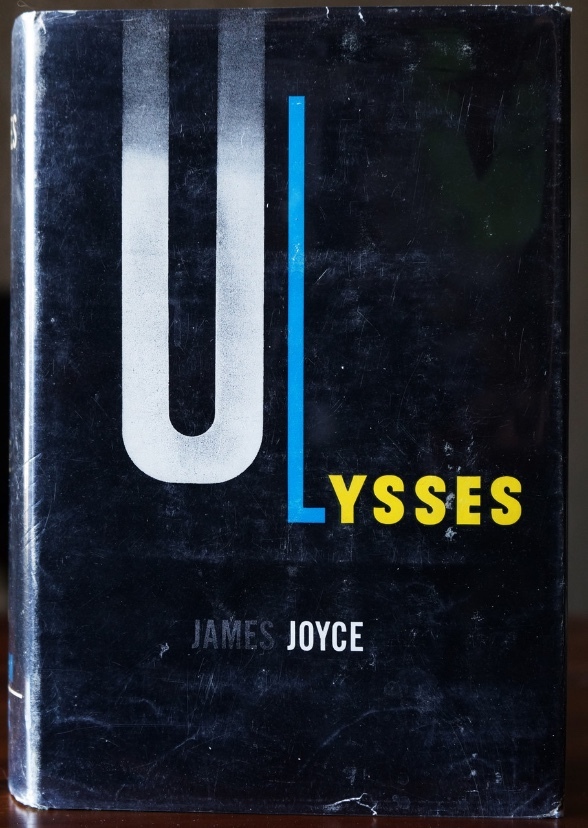
James Joyce’s Ulysses, published in 1922, remains one of the most challenging and rewarding works of English literature. Not only does it narrow its temporal focus to a single day, it also widens its scope to follow three major characters—Stephen Dedalus, Leopold Bloom, and Molly Bloom—and even the city of Dublin itself. Stylistically, Ulysses is unique not only because it changes style with every episode, but because the narrative refuses to remain obedient to the story; it increasingly peels away from the plot and indulges in independent raillery of the reader over the heads of the characters. The narrative “wanders” in a way that celebrates the craft, humor, and meaning of exploration, thereby resembling other famous wanderers: Odysseus, Bloom, the Jews, and Bloom’s simultaneously adulterous and faithful wife, Molly.